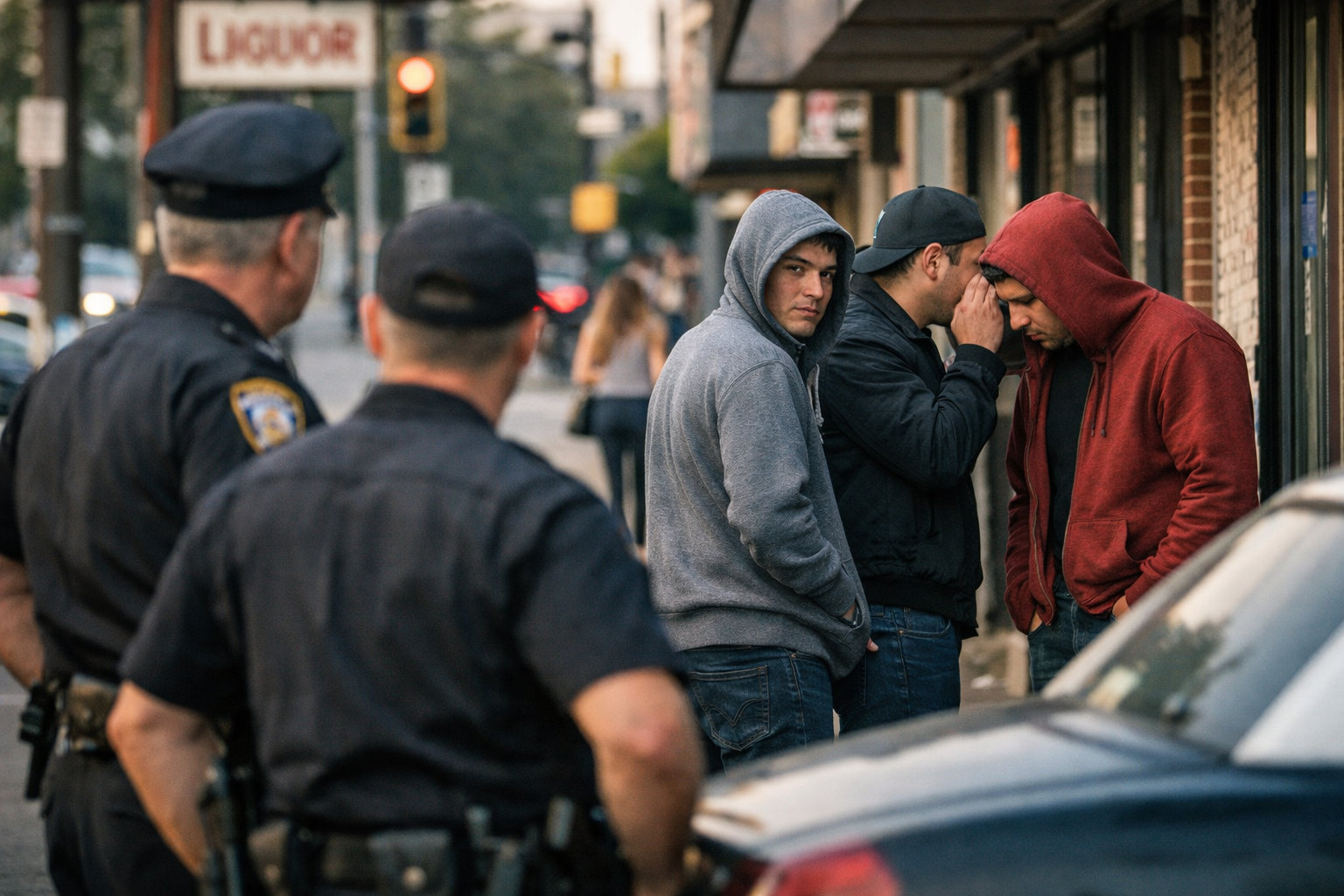
The 8 Pre-Attack Behaviors Most Officers Miss on Patrol
Every major study on targeted violence surfaces the same finding: the warning signs were there. For patrol officers, recognizing pre-attack behavior isn't a specialized skill — it's a core function. Here's what the research says, and how to use it on the street.

The Shaking That Isn't Fear: Recognizing Pre-Attack Adrenaline Surge in Domestic Violence Situations
She said he was shaking — but not like he was scared. His whole body was trembling while he walked toward her, and his face didn't move. She didn't have the words for what she was seeing. She just knew she had to get out. What she witnessed was the final physiological stage before physical attack — and knowing how to hear her describe it could save her life.
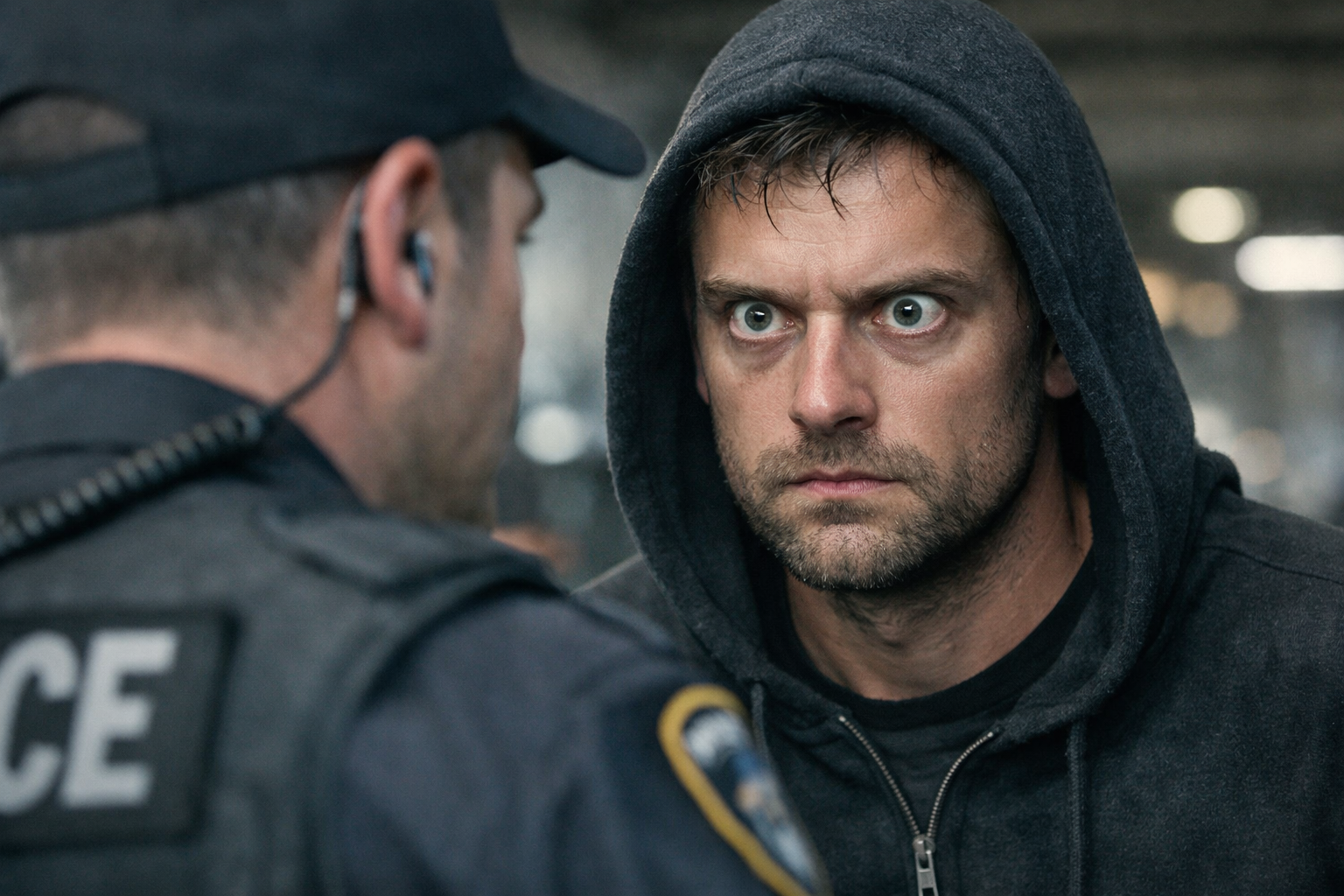
The Eyes That Give You a Chill: What Wide, Unblinking Stares Actually Signal
You've seen it on a call — eyes open too wide, not blinking, locked on you in a way that doesn't feel right. Before your brain named it, your gut already flagged it. Here's the behavioral science behind what that stare actually signals, and how to read what's driving it.