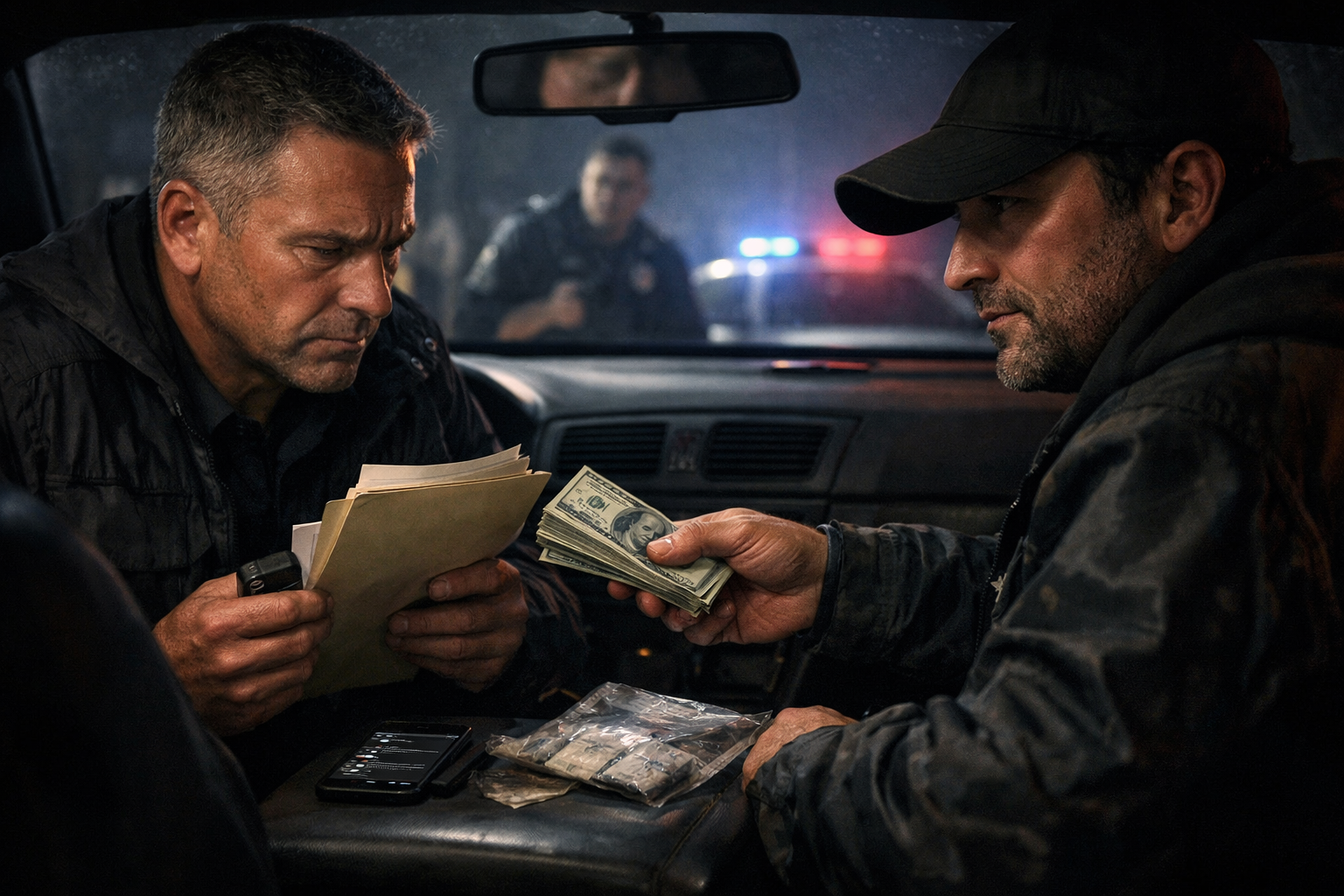
The Informant Problem: Managing CI Relationships Without Getting Owned by Them
Every experienced investigator has a version of the same story. The informant who started as a reliable source and ended as a liability. The CI who was producing good information right up until the moment it became clear the information was being shaped, filtered, and timed to serve the informant's agenda rather than the investigation's. The gap between how CI relationships are supposed to work and how they actually develop in the field is where cases get compromised, officers get disciplined, and occasionally people get killed.
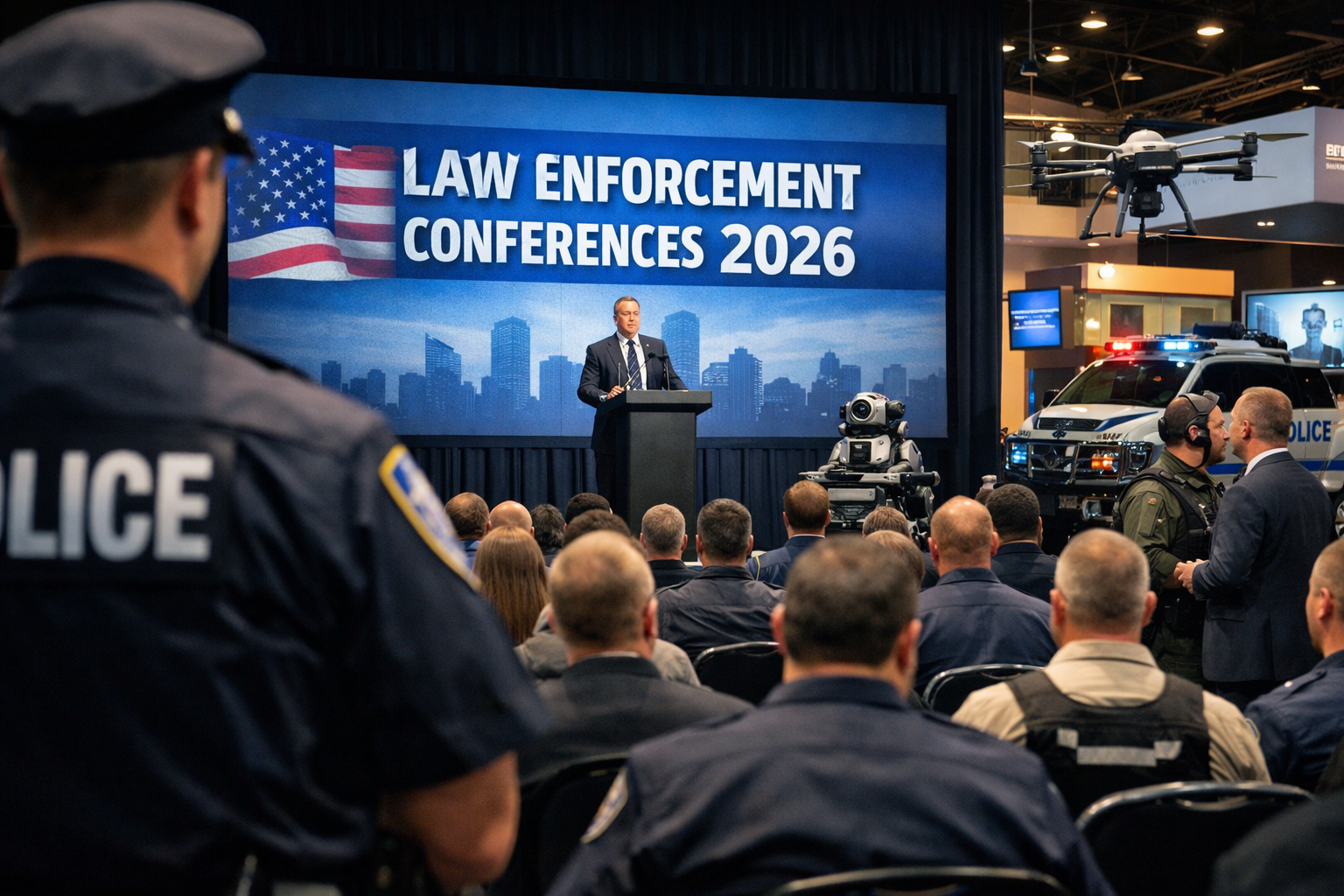
The Best Law Enforcement Conferences in the United States in 2026
Conferences are where policy gets previewed, technology gets demonstrated, research gets translated into practice, and the conversations that don't happen in roll call finally get had. This guide covers the most significant law enforcement conferences in the United States in 2026 — organized by focus area, with enough detail to help professionals and departments decide where their time and training budget are best spent.
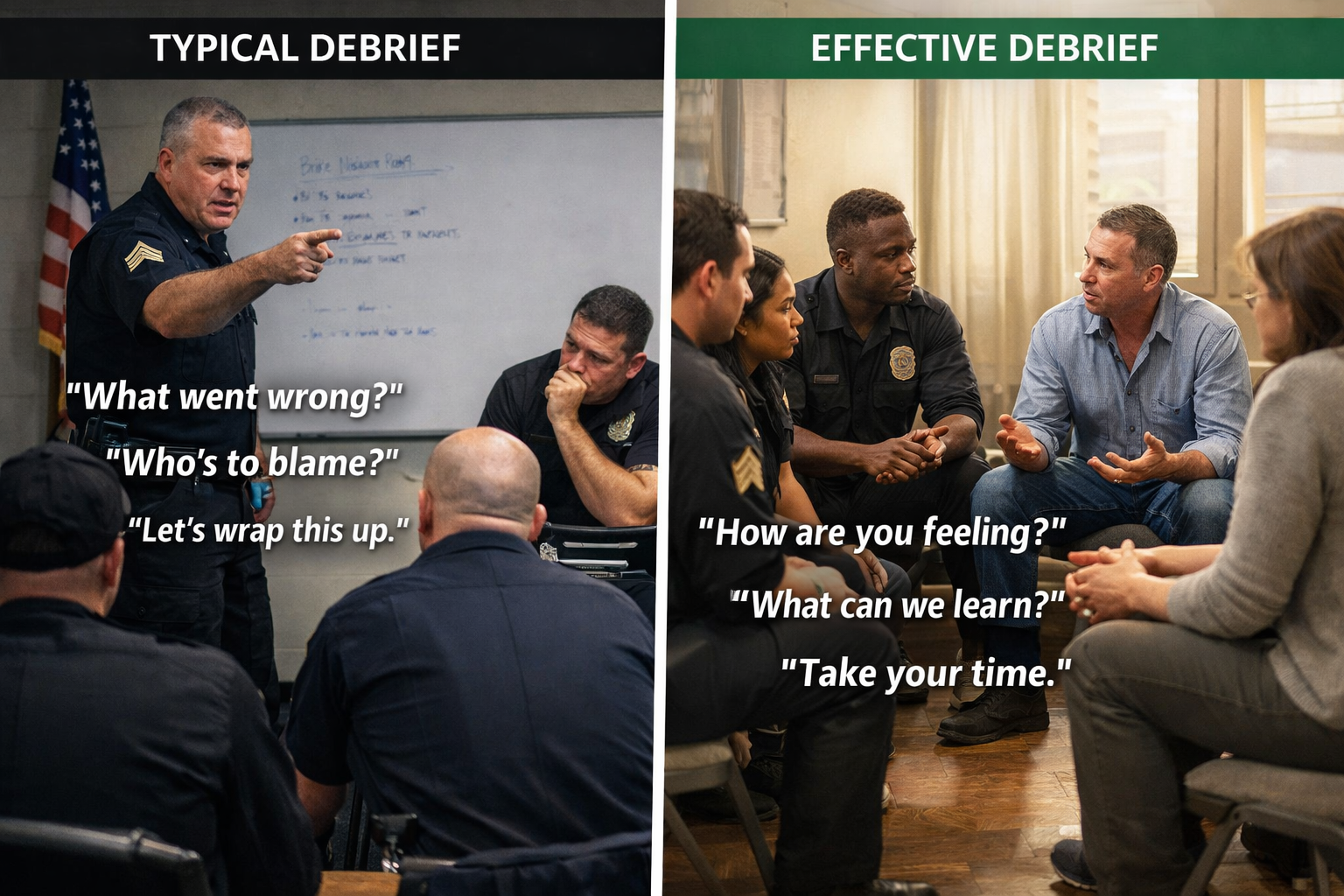
What Good Debriefs Actually Look Like: The Gap Between How Departments Process Critical Incidents and What the Science Recommends
In most departments, what happens in a debrief is shaped more by tradition, liability concern, and the personal style of whoever is running it than by any systematic engagement with what the research says actually helps. The gap between the debrief as it is commonly practiced in law enforcement and the debrief as the science recommends it is not a minor procedural detail. It is the difference between a process that supports recovery and one that, at its worst, actively increases the risk of post-traumatic stress symptoms in the people it is supposed to help.
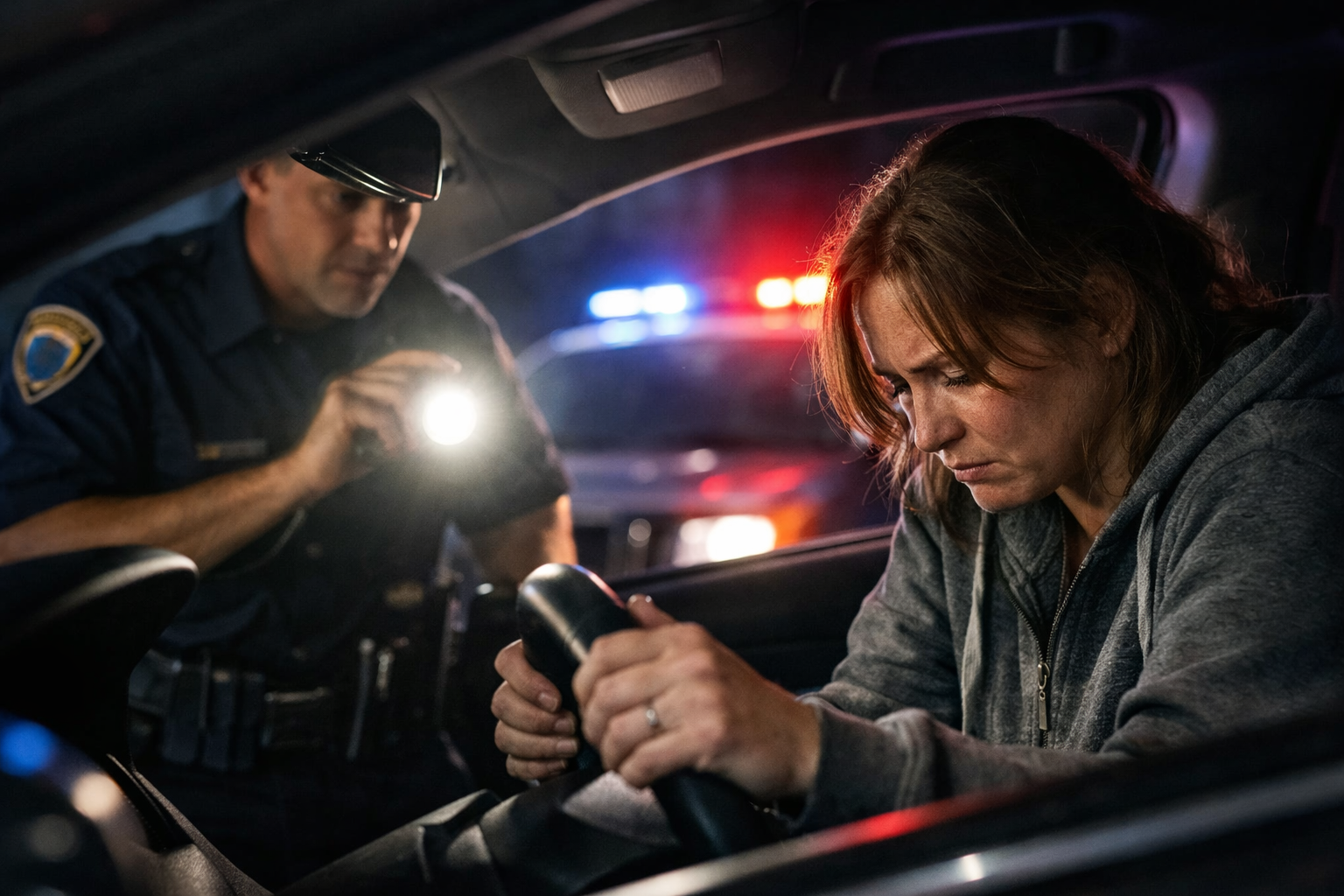
Trauma-Informed Traffic Stops: What the Research Says About Victim Behavior That Looks Like Non-Compliance
The stop looks straightforward. A vehicle matches a description. The officer initiates. The driver doesn't pull over immediately. When they finally do, they won't make eye contact. They're shaking. Their answers don't track. From a threat assessment standpoint, every one of these behaviors registers as a flag. From a trauma neuroscience standpoint, every one of them is exactly what a brain under acute stress does when it has been conditioned by prior victimization to experience law enforcement contact as danger.
The Rookie Collapse Window: Why Most Officers Who Leave Do So in Years 2–4 — and What Departments Miss
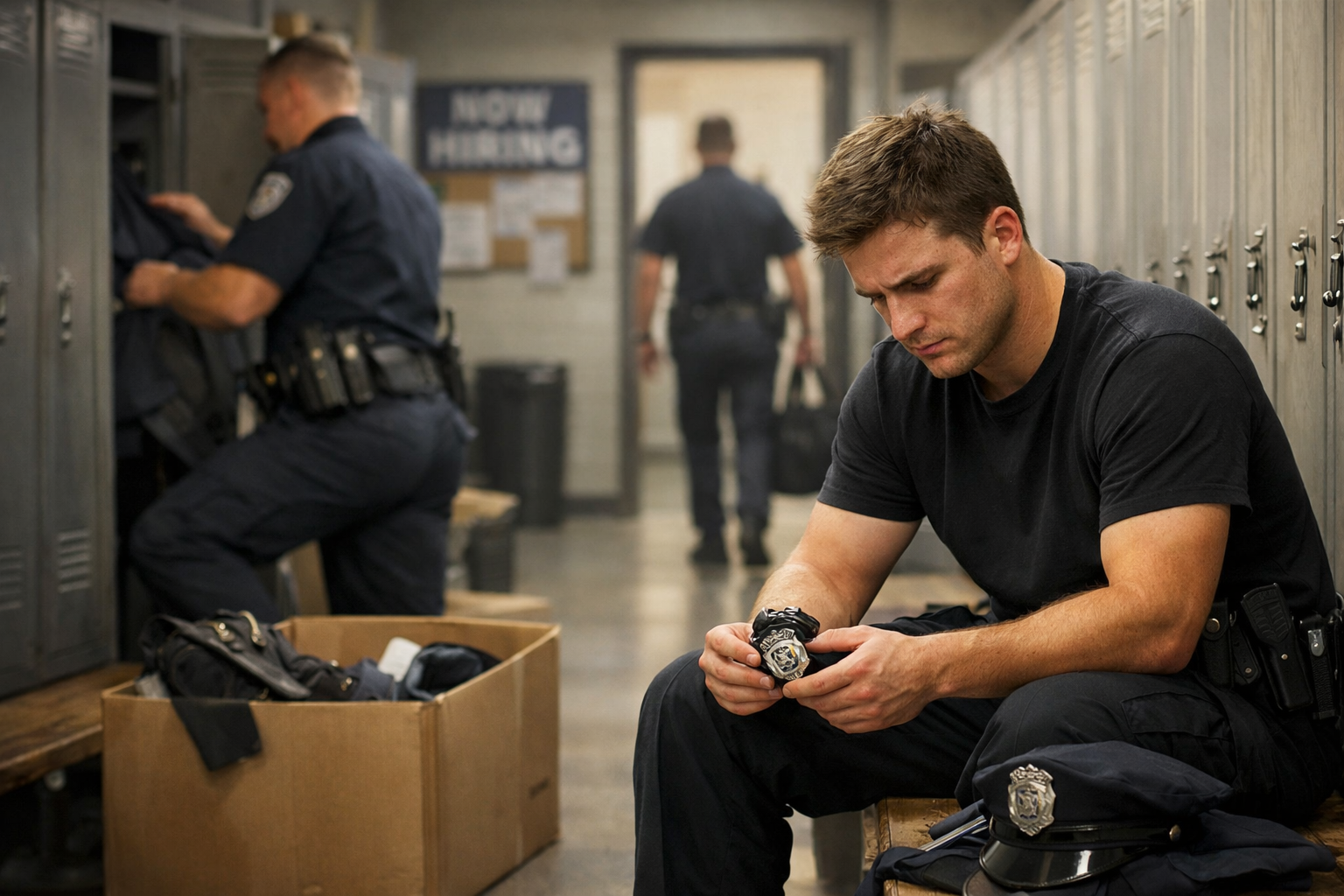
By the time a recruit pins on a badge and steps off probation, the department has invested somewhere between $50,000 and $150,000 in their training. And then, with striking regularity, they leave. Not in year one. Not in year ten. In years two through four — after the investment has been made, after the training wheels have come off, and before the officer has reached the experience level where their institutional value compounds.
When the Witness Is the Phone: A Patrol Officer's Guide to Digital Evidence at the Scene
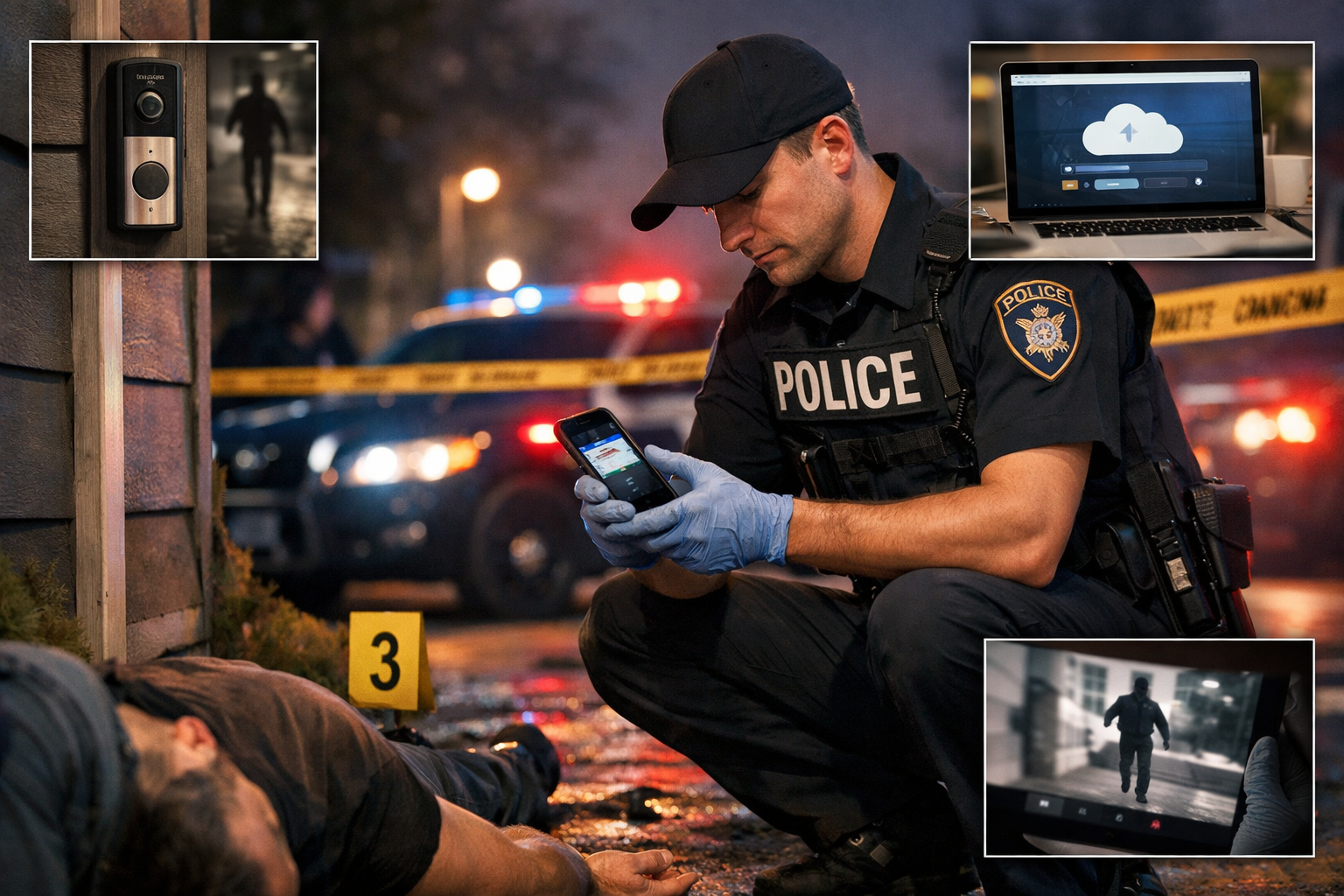
The witness who saw everything is standing right there. So is the one who didn't say a word — the phone in the victim's pocket, the doorbell camera across the street, the cloud account that synced the moment before the suspect wiped the device. Digital evidence doesn't forget. It doesn't recant. It doesn't fail to show up to court. But it disappears fast, and the window to preserve it correctly is often measured in hours.
The Night Shift Tax: What Rotating Schedules Actually Do to Officer Health and Cognition
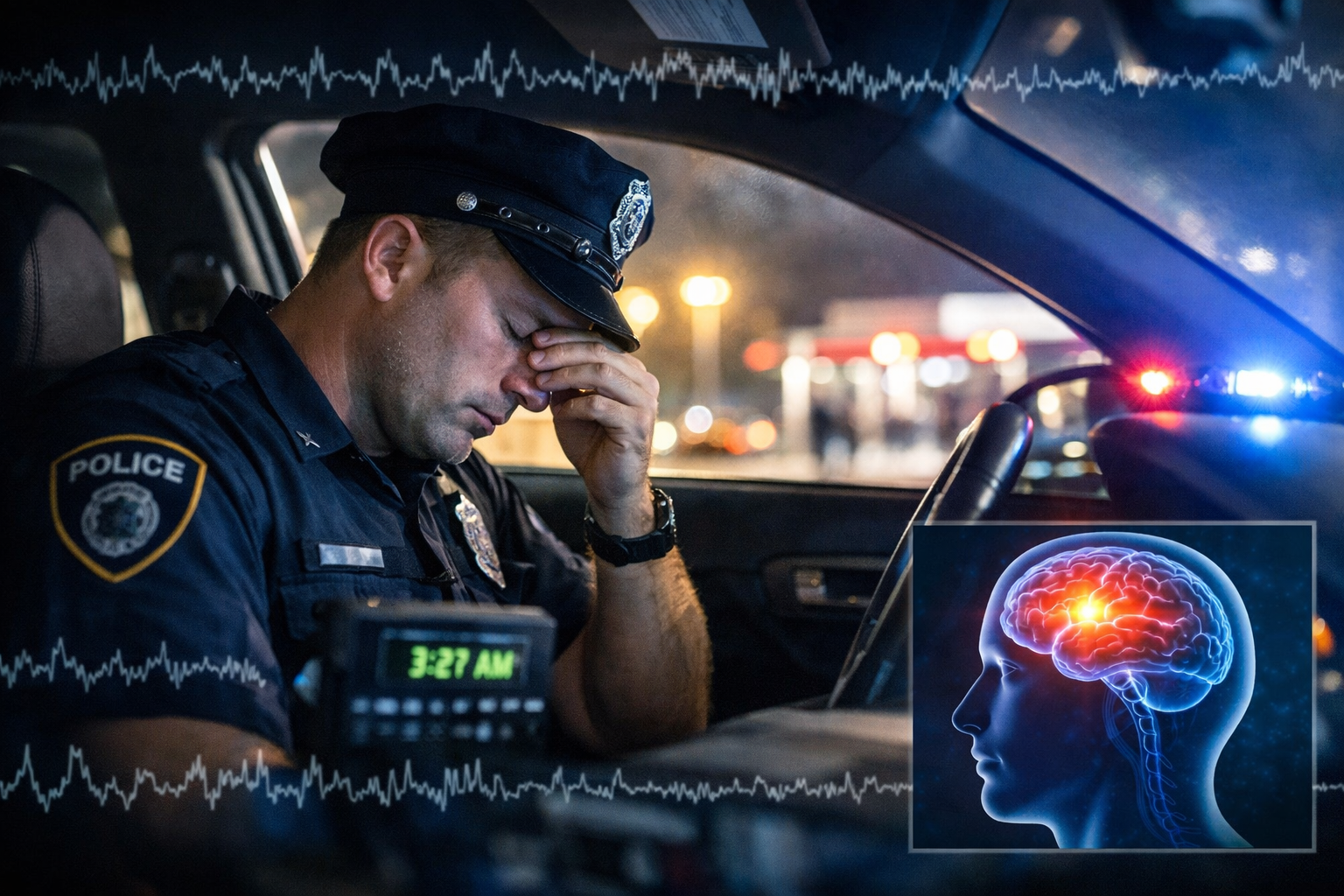
Every department knows shift work is hard. Fewer understand how hard — or why. The science on rotating schedules and law enforcement isn't a collection of vague warnings about sleep hygiene. It's a body of evidence about what happens to human physiology when it gets systematically misaligned from the environment it evolved for.
CIT vs. Co-Responder Models: What the Data Actually Shows
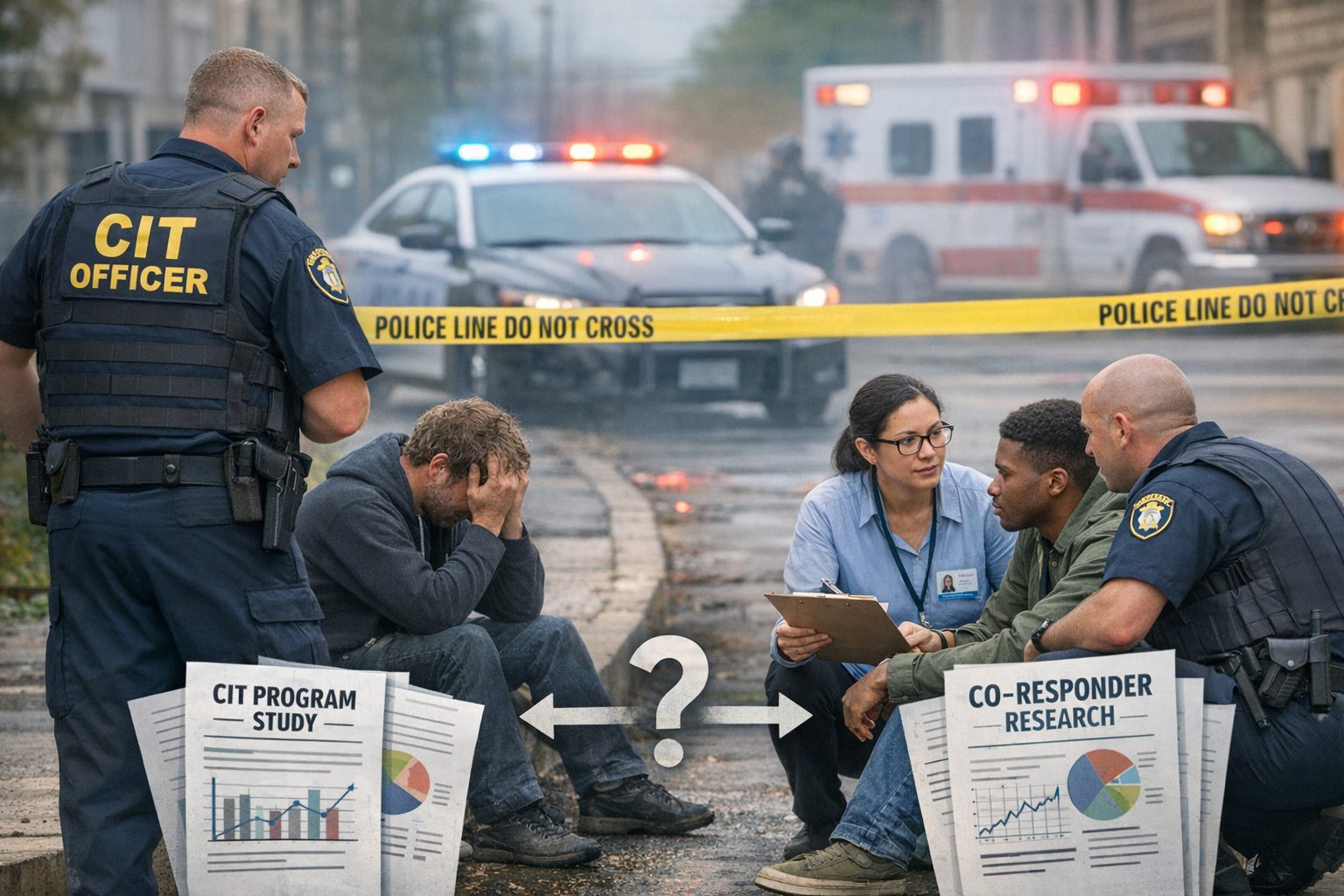
Two models dominate the conversation around mental health crisis response: Crisis Intervention Teams, which train officers to handle psychiatric calls, and co-responder programs, which put a clinician in the response itself. Both have genuine evidence behind them. Both have real limitations the research is increasingly clear about. And neither works well without the infrastructure, partnerships, and honest local assessment that determines whether any program succeeds or fails. This piece breaks down what the data actually shows—where each model holds up, where it doesn't, and what the research suggests about matching response type to call type in a field that too often treats a complex systems question as a simple either/or.
Secondary Trauma in Dispatch: The Role No One Talks About
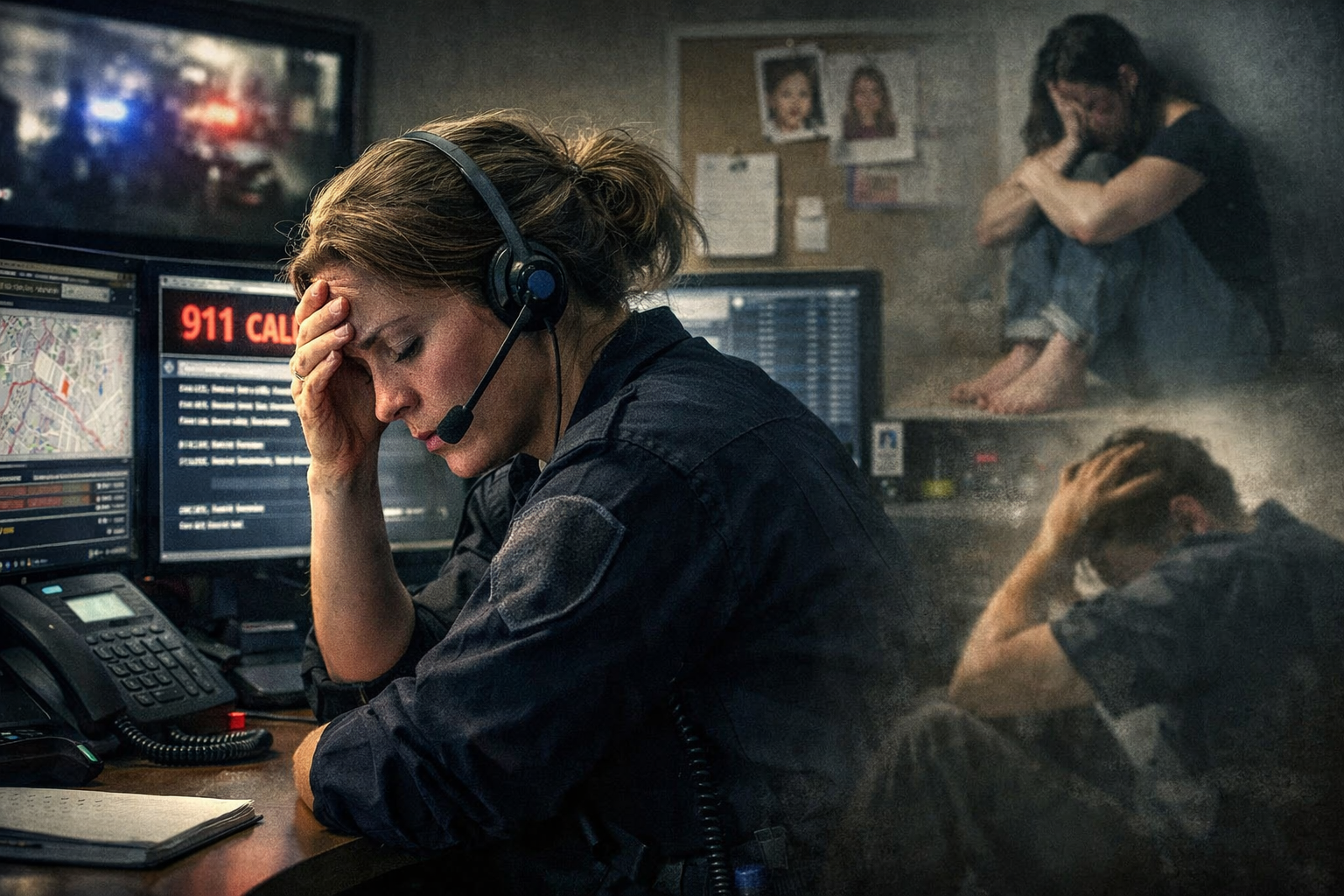
They're the first voice a person in crisis hears. They stay on the line with suicidal callers, listen to domestic violence victims whisper from closets, and talk parents through the worst moments of their lives. Then they pick up the next call. Dispatchers carry the psychological weight of every shift largely without the support structures that exist for field personnel—and the research shows the damage is real. This piece breaks down Secondary Traumatic Stress in emergency communications, why the dispatch environment compounds the risk, and what departments can do to stop treating an invisible wound like it doesn't exist.
The 8 Pre-Attack Behaviors Most Officers Miss on Patrol
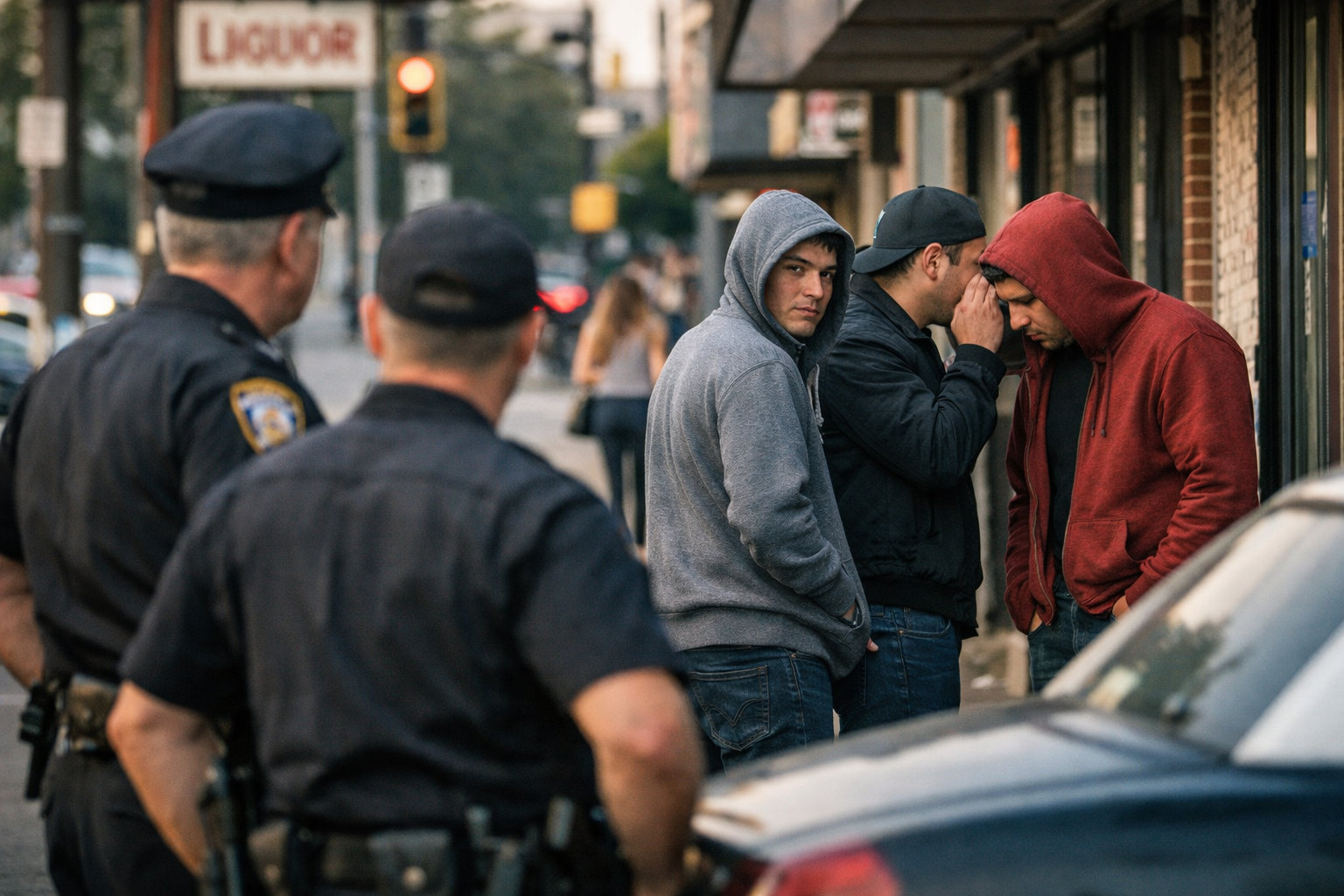
Every major study on targeted violence surfaces the same finding: the warning signs were there. For patrol officers, recognizing pre-attack behavior isn't a specialized skill — it's a core function. Here's what the research says, and how to use it on the street.
Remembering Cpl. Timothy J. O’Connor Jr.
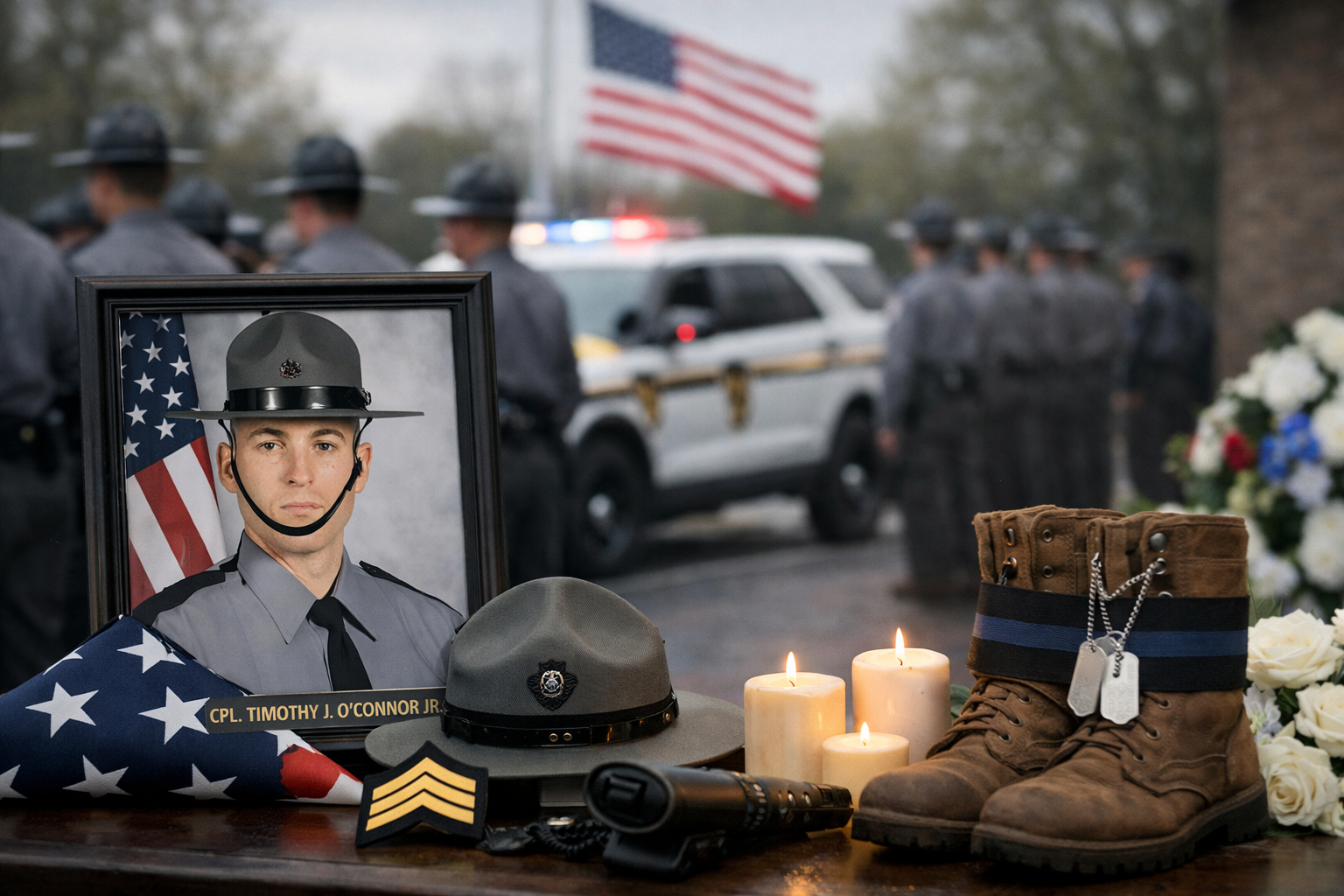
The law enforcement community is mourning the loss of Pennsylvania State Police Corporal Timothy J. O’Connor Jr., who was shot and killed during a traffic stop while serving his community. He leaves behind his wife, Casey, and their young daughter. This tribute reflects on his service, the risks officers face every day, and the importance of honoring those who give their lives in the line of duty.
Best Dating Apps for Law Enforcement in 2026
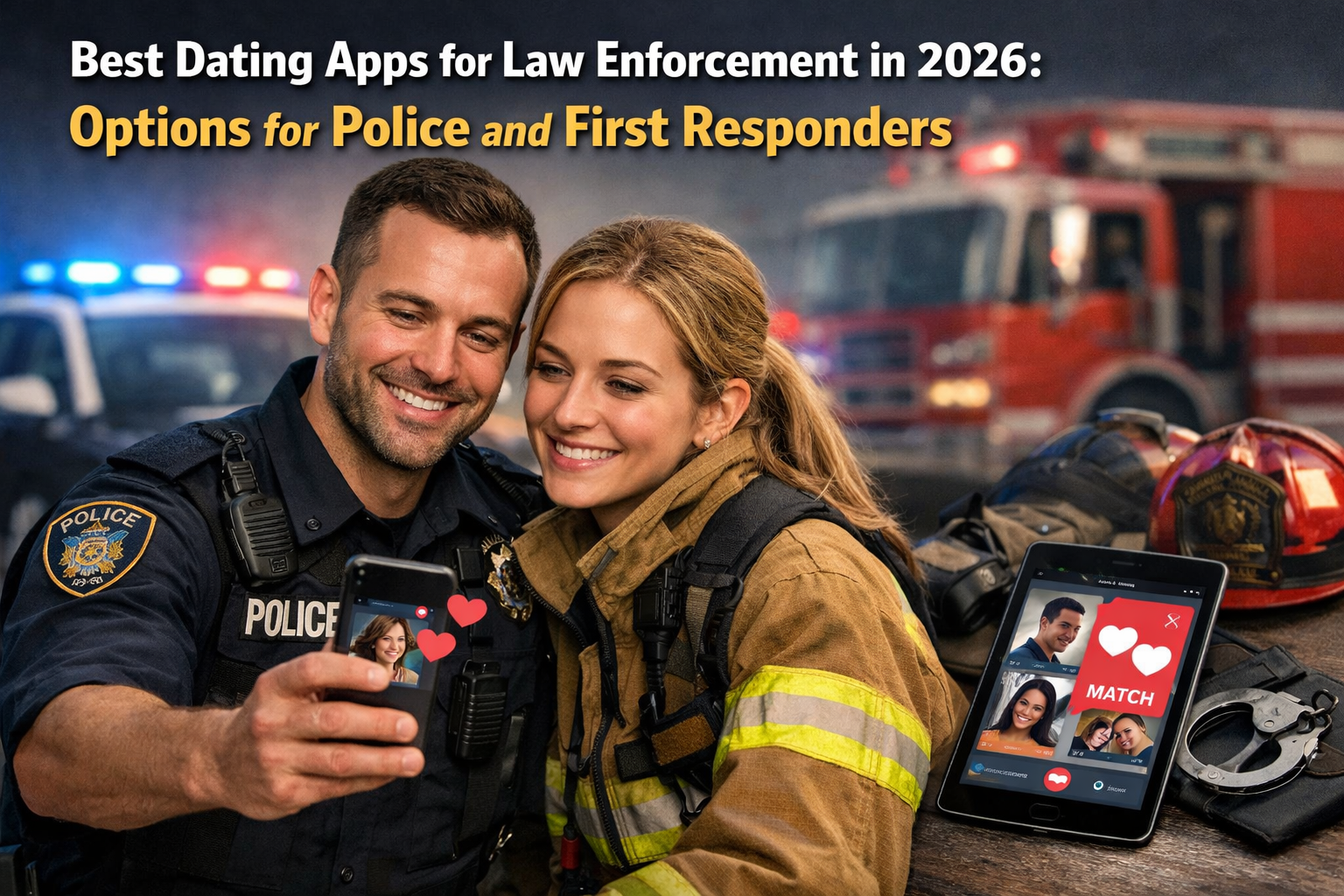
Dating can be challenging for law enforcement professionals due to irregular schedules, demanding work environments, and privacy concerns. Fortunately, several dating apps now cater specifically to police officers, first responders, and public service professionals. This guide explores some of the most popular dating platforms used by law enforcement in 2026 and offers practical tips for balancing online dating with officer safety.
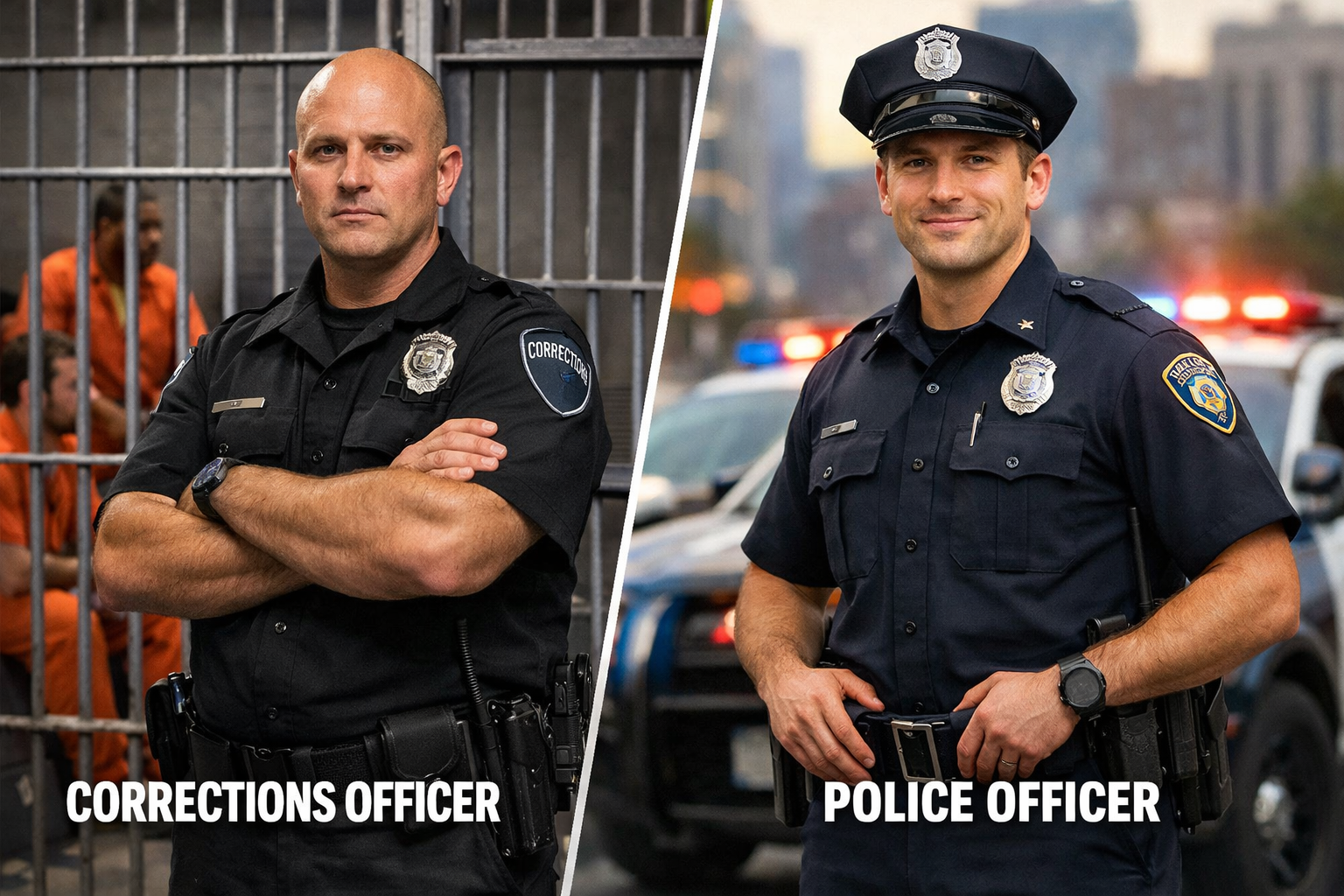
Corrections Officer or Police Officer: Which Law Enforcement Career Is Right for You?
Many people interested in law enforcement face an important decision early on: becoming a corrections officer or a police officer. While both careers serve critical roles in the criminal justice system, the daily responsibilities, work environments, and challenges can be very different. This guide breaks down what each job involves so you can better understand which path may be the right fit for your goals and personality.
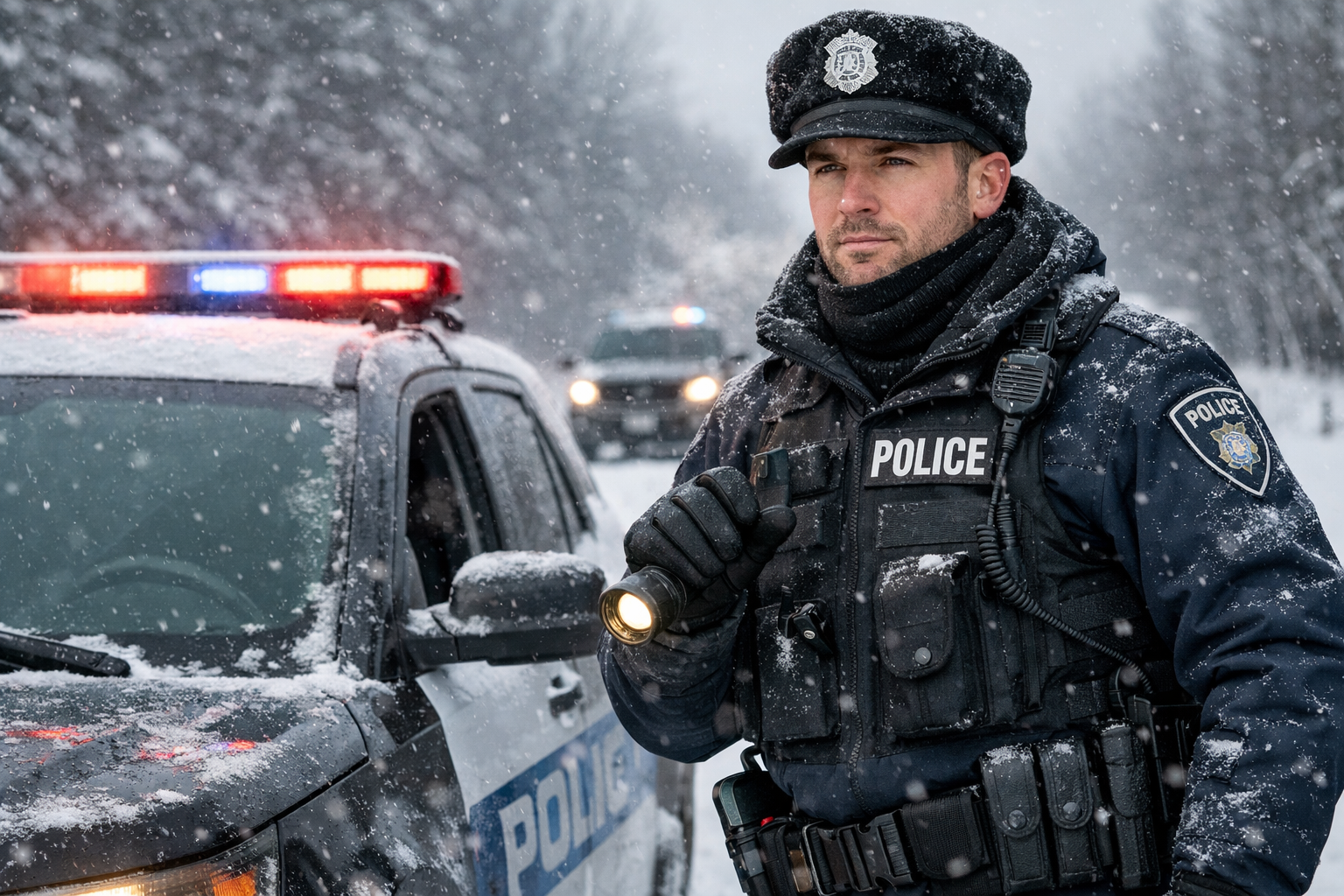
Surviving Winter as a Police Officer: Cold Weather Patrol Tips That Matter
Winter conditions make police work significantly more challenging. Snow, ice, freezing temperatures, and reduced visibility can turn routine calls into dangerous situations for officers on patrol. From proper cold-weather gear to winter vehicle preparation and driving tactics, this guide breaks down the practical strategies officers can use to stay safe, maintain operational readiness, and manage the physical demands of winter policing.
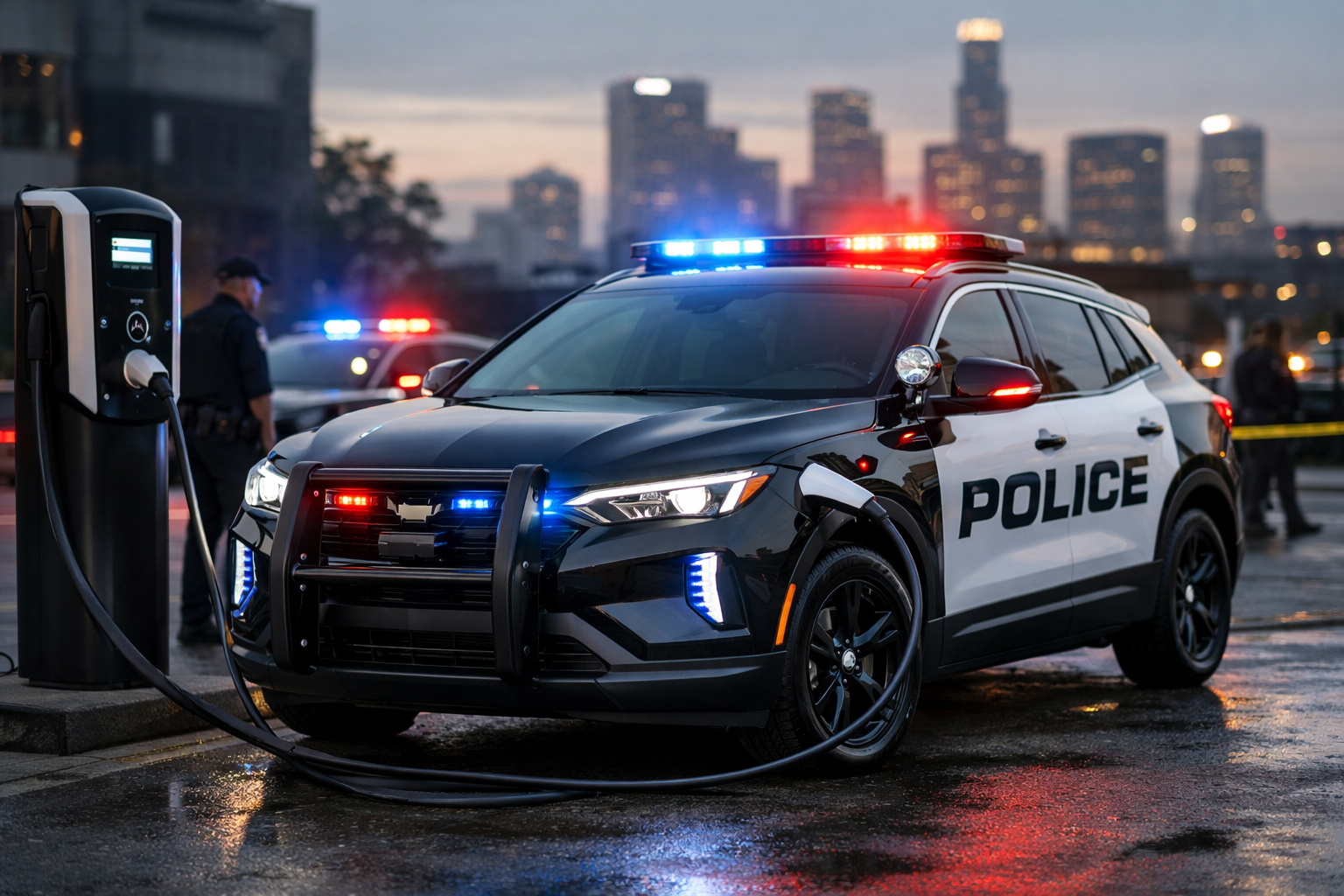
Are Electric Patrol Vehicles Ready for Real Police Work?
Electric patrol vehicles are starting to appear in law enforcement fleets across the country, driven by rising fuel costs, sustainability initiatives, and rapid improvements in EV technology. But policing places unique demands on vehicles—long idle periods, emergency equipment loads, high-speed responses, and around-the-clock operation. This article examines whether electric patrol vehicles are truly ready for the realities of police work and where they currently fit in modern law enforcement fleets.
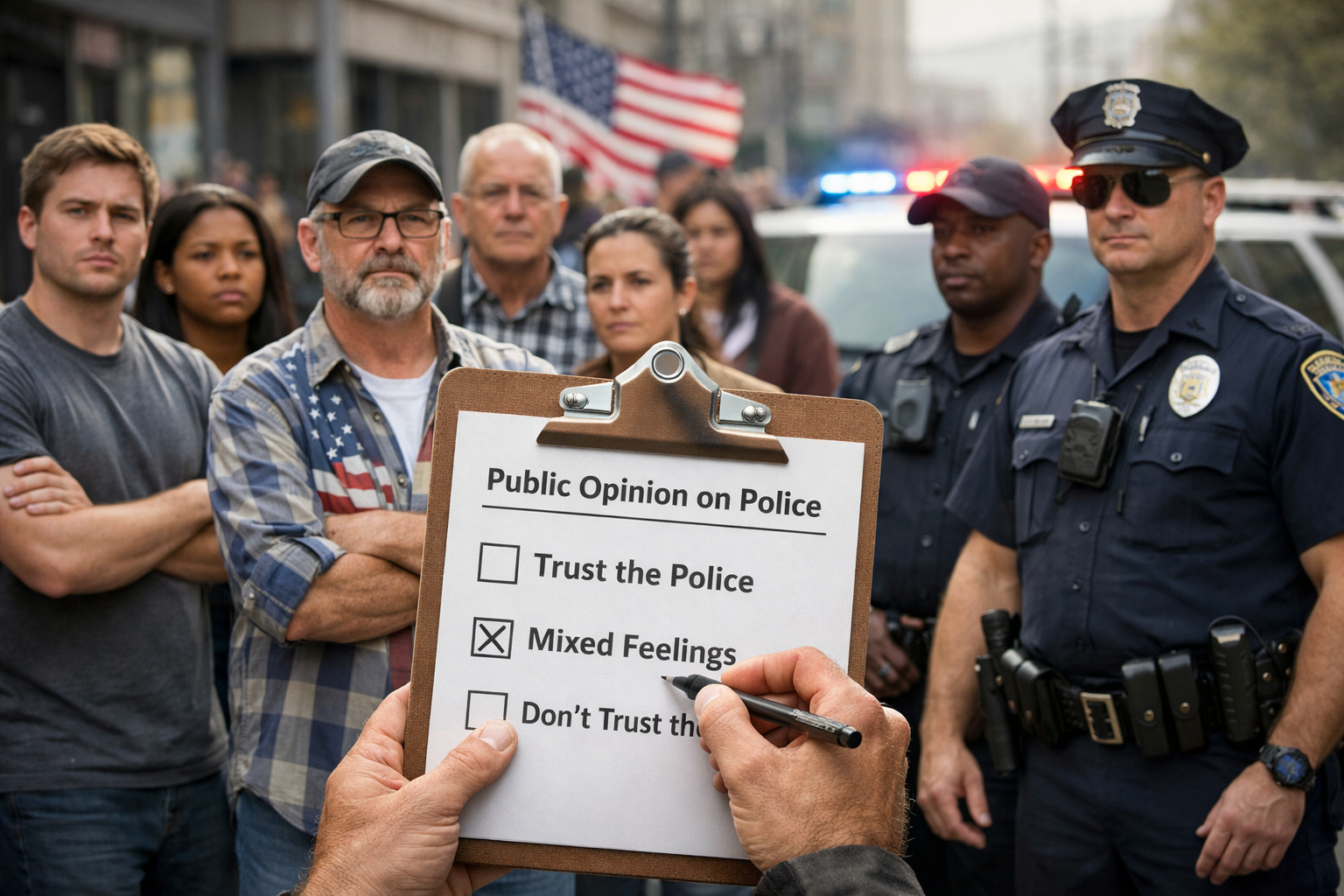
Where the American Public Actually Stands on Law Enforcement in 2026
The story of public support for law enforcement is rarely told accurately. On one side, you hear that trust is collapsing. On the other, that everything is fine. The actual data is more complicated — and more useful — than either narrative.
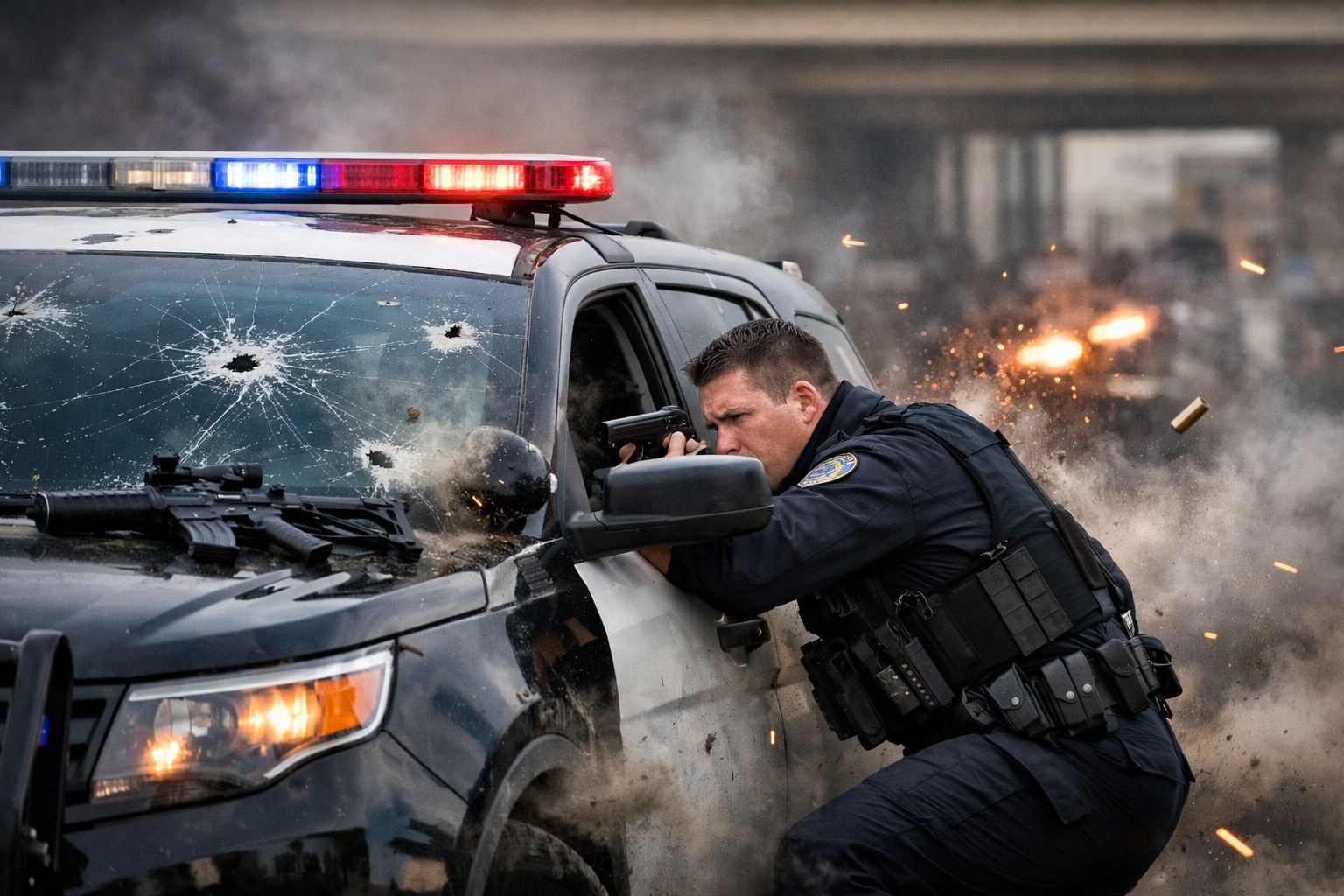
Your Patrol Vehicle Is Not a Bunker. Here's How to Use It Like It Is One.
A patrol vehicle can stop rounds. It can buy time. But the data on officer-involved shootings tells a consistent story: officers who lock onto cover and stop moving are making a choice that works against them — often without realizing it.

Your Helmet Stopped the Bullet. That Doesn't Mean Your Brain Is Fine.
There's a claim that circulates in law enforcement gear circles: if the helmet stops the bullet, the officer is safe. The dent doesn't matter. Penetration is the only metric that counts. It's a clean, confident claim. And the science doesn't support it.
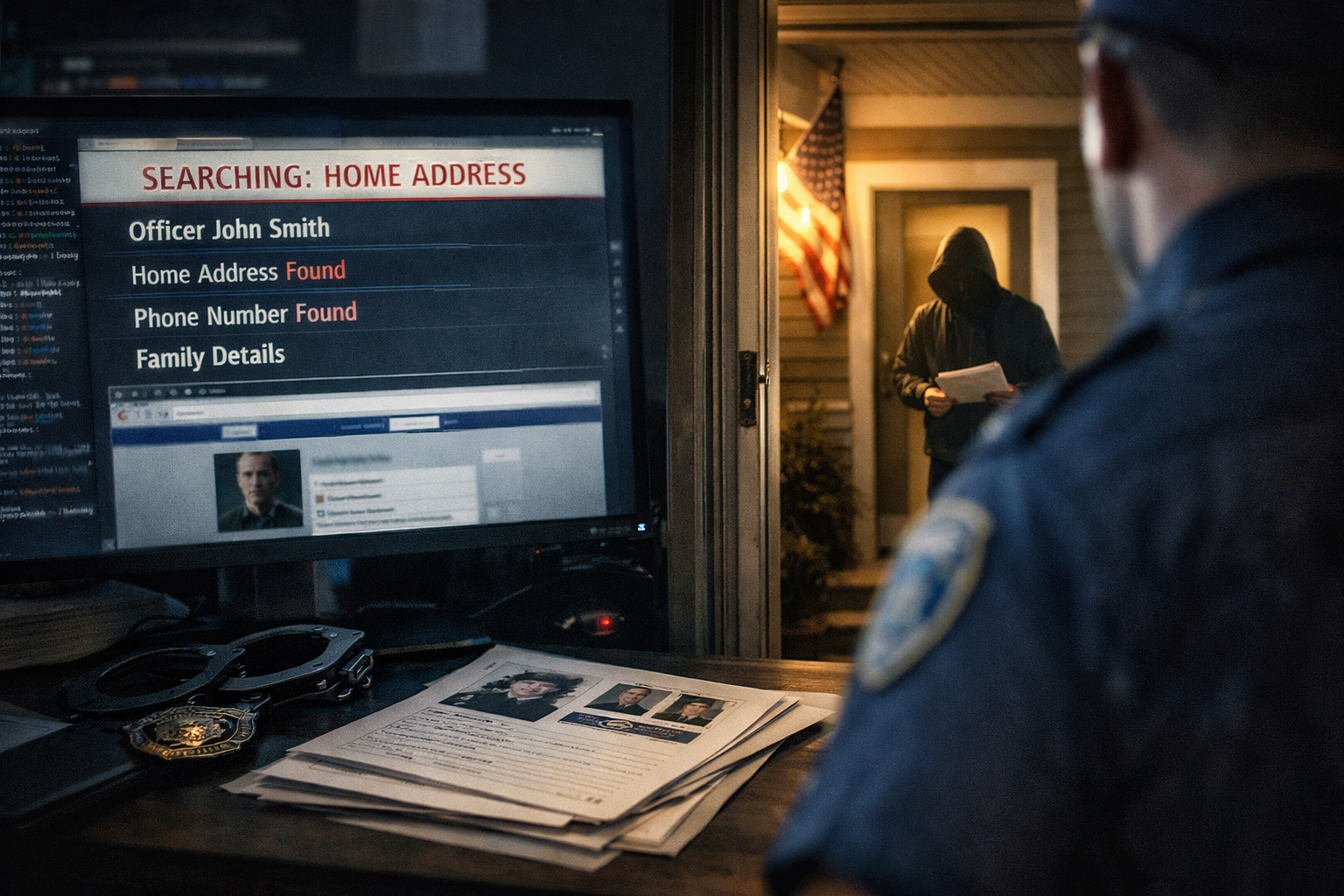
You Are the Target: What Law Enforcement Officers Need to Understand About Doxxing
Doxxing begins in a browser window and ends at your front door. For law enforcement officers, the threat is specific, documented, and growing — and most departments aren't adequately preparing their people for it. Here's what the tactic actually involves, why officers are high-value targets, what the psychological toll looks like, and what a real defense requires.
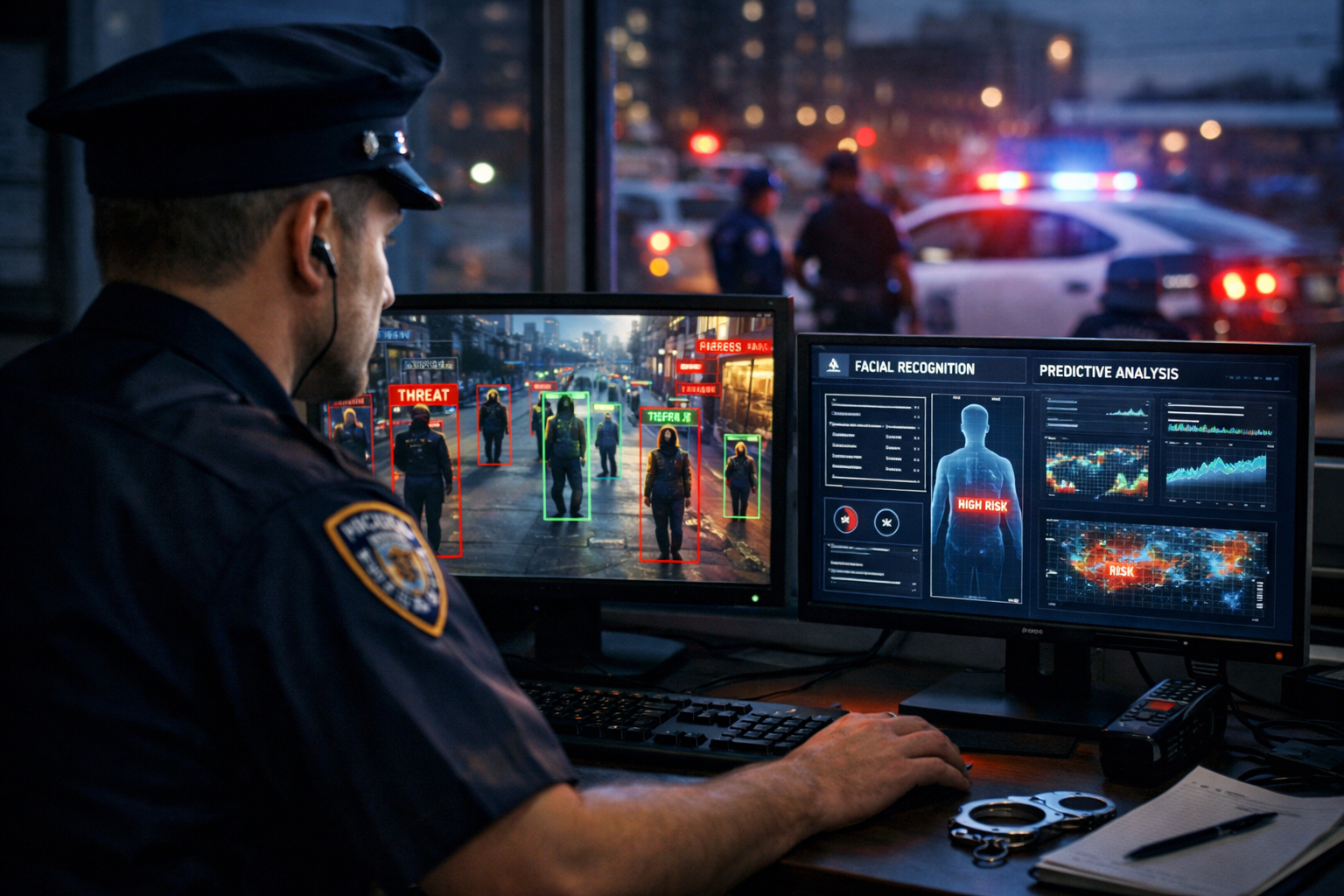
The Cop and the Algorithm: What AI Actually Does to Policing — and What It Can't
Introducing algorithmic systems into law enforcement doesn't just change what officers can do. It changes how they think, what they're accountable for, and how communities experience the police. The technical conversation about AI in policing is necessary but insufficient. Here's the harder version of the conversation — grounded in what the research actually shows.