Are Electric Patrol Vehicles Ready for Real Police Work?
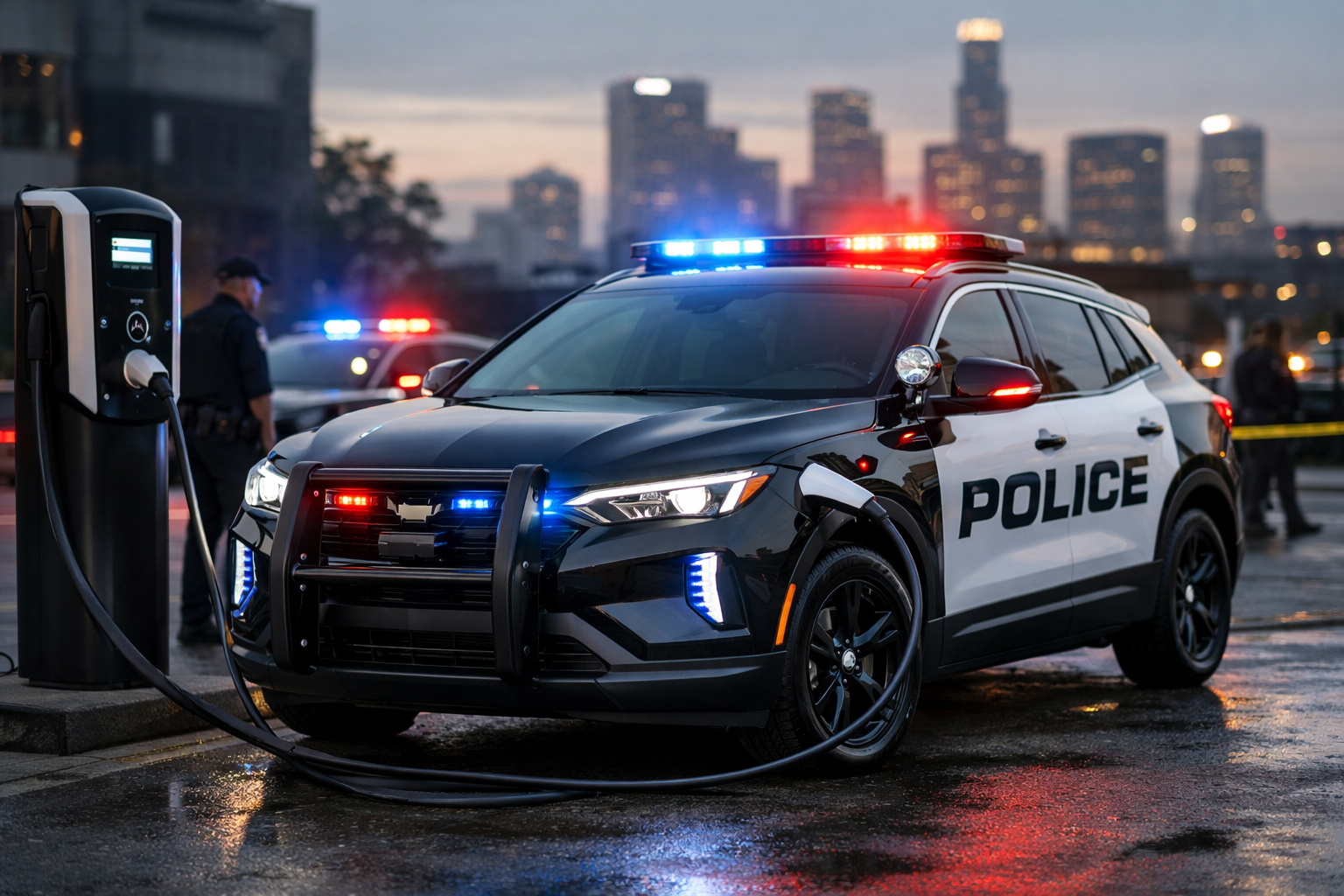
Police fleets across the United States are starting to look different. In some departments, the familiar growl of a V8 patrol car is being replaced by the quiet hum of an electric drivetrain.
Cities are experimenting with electric patrol vehicles for everything from neighborhood patrol to specialized units. The push comes from several directions at once: rising fuel costs, sustainability initiatives, and the rapid improvement of electric vehicle (EV) technology.
But the real question for officers on the street isn't environmental policy.
It's operational reality.
Are electric patrol vehicles actually ready for the demands of modern policing?
The answer is complicated.
Why Police Departments Are Looking at Electric Vehicles
For many agencies, the biggest appeal of EV patrol cars is cost. Fuel and maintenance expenses make up a significant portion of fleet budgets, and electric vehicles promise long-term savings.
Electric drivetrains have fewer moving parts than traditional engines, which reduces maintenance requirements over time. EVs also eliminate fuel costs entirely, replacing them with lower-cost electricity.
Another advantage is how police vehicles actually operate in the field.
Patrol cars spend a surprising amount of time idling—sometimes 40–60% of their shift while officers run radar, write reports, or manage scenes. Electric vehicles can power lights, computers, and climate control without burning fuel, making them more efficient during long stationary periods.
For administrators looking at budgets and sustainability goals, EV patrol cars can look like a logical next step.
But policing isn't just about fuel efficiency.
The Operational Reality of Patrol Work
Police vehicles are among the hardest-worked vehicles on the road.
They idle for hours, accelerate aggressively, run emergency equipment, and sometimes remain in service around the clock with multiple officers per day shift cycling through the same vehicle.
Electric vehicles can perform well in many of these conditions, but some limitations still matter operationally.
Range remains one of the biggest concerns. Most EVs can travel roughly 250–300 miles on a full charge, while gasoline patrol vehicles often exceed 500 miles per tank before needing to refuel.
For agencies covering large rural patrol areas or highway units that spend hours driving, that difference matters.
Charging time also affects fleet readiness. Even with faster charging technology, EVs may require 30 minutes to several hours to recharge, which can complicate shift rotations or emergency deployment schedules.
Gas vehicles can be refueled in minutes. Patrol EVs require planning.
Infrastructure Is the Hidden Challenge
One of the least discussed issues with police EV fleets isn’t the vehicles themselves.
It's the infrastructure required to support them.
Departments need charging stations at stations, substations, and sometimes officer homes. Not every electrical system can support high-capacity charging equipment, particularly in older buildings or residences.
Agencies also need to consider:
Charging station installation costs
Electrical upgrades to facilities
Power reliability during outages
Fleet scheduling around charging availability
Some departments have solved this by installing large charging banks at headquarters or pairing EV fleets with solar and battery backup systems to maintain operational resilience.
But for smaller agencies, the infrastructure investment can be significant.
Where Electric Patrol Vehicles Work Best
Many departments experimenting with EV fleets have found that not all assignments are equal.
Electric vehicles tend to perform well in roles such as:
Community patrol
Parking enforcement
Administrative duties
Detectives and investigators
Campus or downtown patrol zones
In these assignments, vehicles travel predictable routes and typically log fewer miles per shift.
Some agencies report EVs have the speed and durability needed for patrol work, especially in urban environments where daily driving distances are relatively short.
But for high-speed highway units, rural patrol zones, or extended emergency operations, many departments still rely on traditional gas-powered pursuit vehicles.
For now, hybrid fleets may be the most practical solution.
The Technology Is Advancing Quickly
The biggest argument in favor of EV patrol vehicles isn't where the technology is today.
It's where it's going.
Automakers are already developing law-enforcement-specific electric vehicles with:
Extended range batteries
Integrated emergency equipment power systems
Faster charging capabilities
Heavy-duty suspension and braking for pursuit use
Some agencies are even experimenting with specialized EV police units—from Tesla patrol vehicles to fully electric tactical trucks.
These deployments are still early experiments, but they demonstrate how rapidly the technology is evolving.
The Real Question: Mission First
Law enforcement fleets are tools, not symbols.
The success of electric patrol vehicles won't ultimately be decided by environmental policy or marketing claims. It will be decided by whether they perform reliably under the real demands of policing.
For many agencies today, EVs make sense as part of a mixed fleet, not a full replacement.
Gas-powered pursuit vehicles, hybrid patrol units, and electric administrative vehicles may coexist for years as departments balance performance, cost, and operational readiness.
The technology is improving quickly. But policing still demands vehicles that are ready for the unexpected.
And that standard is a high one.
Frequently Asked Questions
Are electric vehicles being used by police departments today?
Yes. Several law enforcement agencies across the United States have begun testing or deploying electric patrol vehicles as part of their fleets. These vehicles are often used for community patrol, administrative assignments, campus policing, or downtown patrol zones where driving distances are shorter and predictable.
While some departments are experimenting with fully electric patrol cars, most agencies currently operate mixed fleets that include gasoline, hybrid, and electric vehicles.
What are the main advantages of electric patrol vehicles?
Electric patrol vehicles offer several potential benefits for police departments:
Lower fuel costs compared to gasoline-powered vehicles
Reduced maintenance needs due to fewer mechanical components
Quiet operation, which can be useful during surveillance or patrol operations
Efficiency during idling, since EVs can power emergency lights, radios, and onboard computers without burning fuel
Because police vehicles spend long periods stationary with equipment running, EVs can be more efficient in certain duty scenarios.
What challenges do electric patrol vehicles face in law enforcement use?
Despite the benefits, electric patrol vehicles still face several operational challenges:
Limited driving range compared to gasoline vehicles
Longer recharge times compared to refueling
Infrastructure requirements for charging stations
Battery performance concerns in extreme weather
Additional power demands from emergency equipment
These factors can complicate deployment for agencies operating in rural areas or high-mileage patrol assignments.
How far can an electric police vehicle travel on a charge?
Most modern electric vehicles have a range of approximately 250 to 300 miles on a full charge, depending on the model and driving conditions.
However, real-world police use can reduce this range. Emergency lighting, radios, onboard computers, climate control, and aggressive driving can all draw additional power from the battery.
Because of this, agencies must carefully plan how EV patrol cars are deployed within their fleet.
Are electric patrol vehicles fast enough for police work?
Yes. Many electric vehicles actually provide very fast acceleration, which can be useful in patrol situations.
Electric motors deliver instant torque, allowing some EVs to accelerate faster than traditional gasoline patrol vehicles. However, agencies still evaluate factors like handling, braking performance, durability, and sustained high-speed capability before approving EVs for pursuit roles.
Do police departments need special infrastructure for EV fleets?
Yes. One of the biggest challenges in adopting electric patrol vehicles is building the charging infrastructure required to support them.
Departments may need to install:
High-capacity charging stations at stations or substations
Electrical upgrades to existing buildings
Backup power systems for charging during outages
Fleet management systems to coordinate charging schedules
For smaller departments, these infrastructure costs can be a major factor in whether EV adoption is practical.
Are electric patrol vehicles replacing gas-powered police cars?
Not entirely. Most law enforcement agencies are not replacing their entire fleet with electric vehicles.
Instead, departments are exploring hybrid fleet models, where EVs are used for lower-mileage assignments while gasoline vehicles remain in service for high-speed patrol, rural coverage, or long-distance operations.
This approach allows agencies to experiment with EV technology without sacrificing operational flexibility.
Are electric vehicles reliable enough for 24-hour police use?
Electric vehicles are becoming more reliable, but policing places unique demands on fleet vehicles. Patrol cars may operate around the clock with multiple officers per day shift, running emergency equipment continuously.
Departments evaluating EV patrol vehicles often conduct long-term testing to determine how the batteries, drivetrain, and electrical systems perform under these conditions.
As EV technology improves, reliability for law enforcement use is expected to improve as well.
Will electric vehicles become standard in police fleets in the future?
Electric vehicles are likely to play an increasing role in police fleets over the next decade, especially as battery technology, charging speed, and vehicle range continue to improve.
However, most experts expect law enforcement fleets to remain diverse, combining electric, hybrid, and traditional vehicles to ensure agencies can meet a wide range of operational demands.
The key factor will always be the same: whether the vehicles support the mission and keep officers operational in the field.