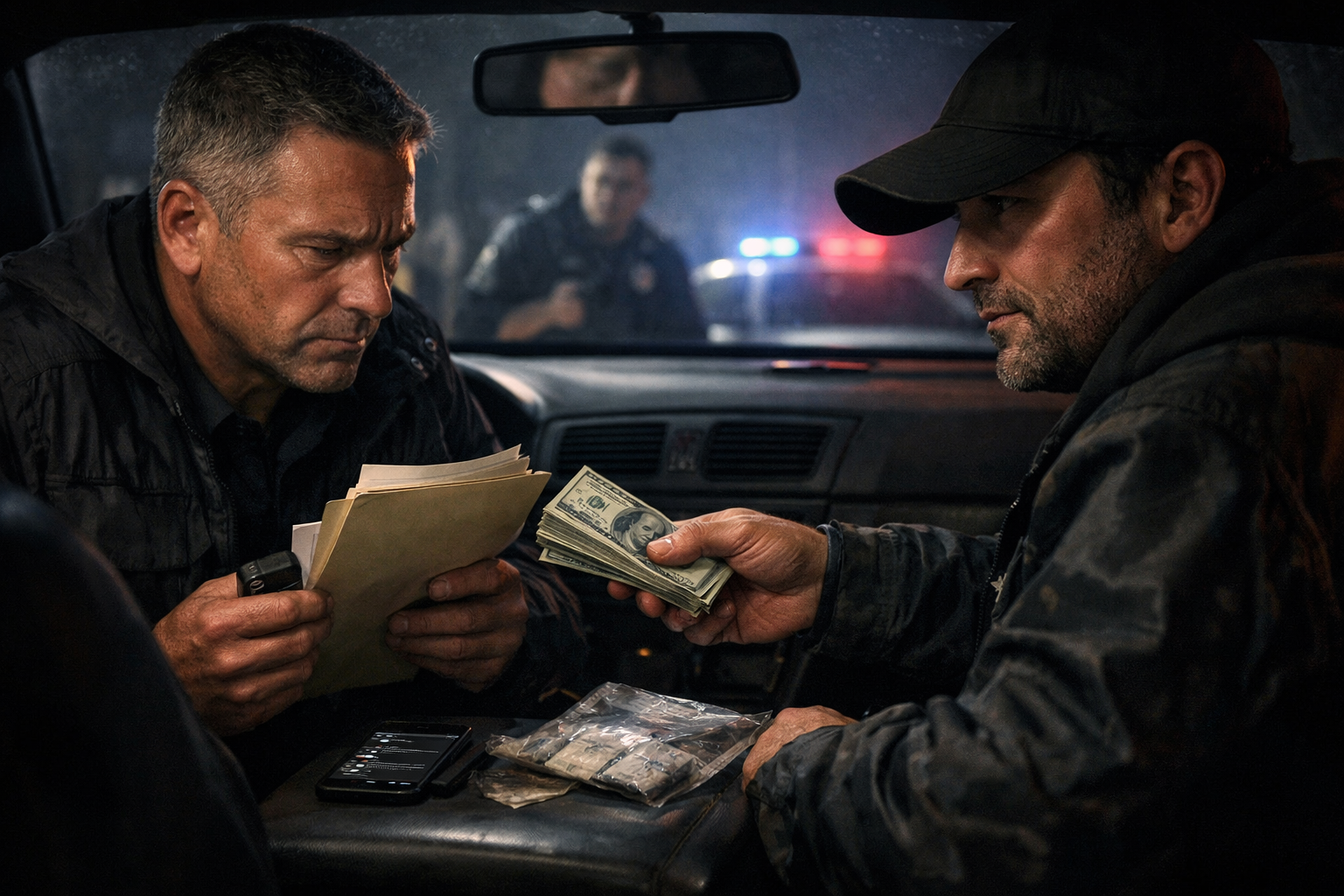
The Informant Problem: Managing CI Relationships Without Getting Owned by Them
Every experienced investigator has a version of the same story. The informant who started as a reliable source and ended as a liability. The CI who was producing good information right up until the moment it became clear the information was being shaped, filtered, and timed to serve the informant's agenda rather than the investigation's. The gap between how CI relationships are supposed to work and how they actually develop in the field is where cases get compromised, officers get disciplined, and occasionally people get killed.
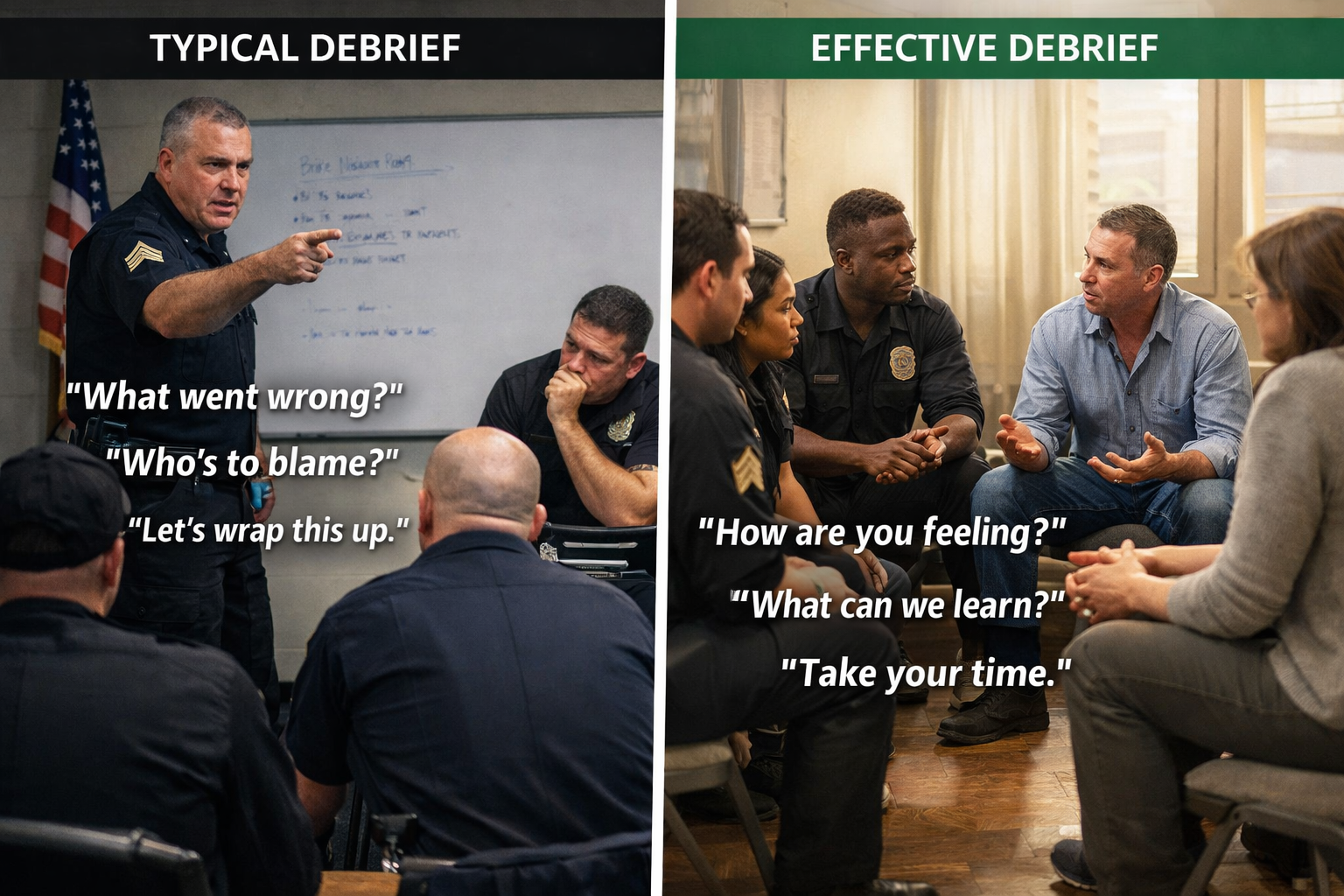
What Good Debriefs Actually Look Like: The Gap Between How Departments Process Critical Incidents and What the Science Recommends
In most departments, what happens in a debrief is shaped more by tradition, liability concern, and the personal style of whoever is running it than by any systematic engagement with what the research says actually helps. The gap between the debrief as it is commonly practiced in law enforcement and the debrief as the science recommends it is not a minor procedural detail. It is the difference between a process that supports recovery and one that, at its worst, actively increases the risk of post-traumatic stress symptoms in the people it is supposed to help.
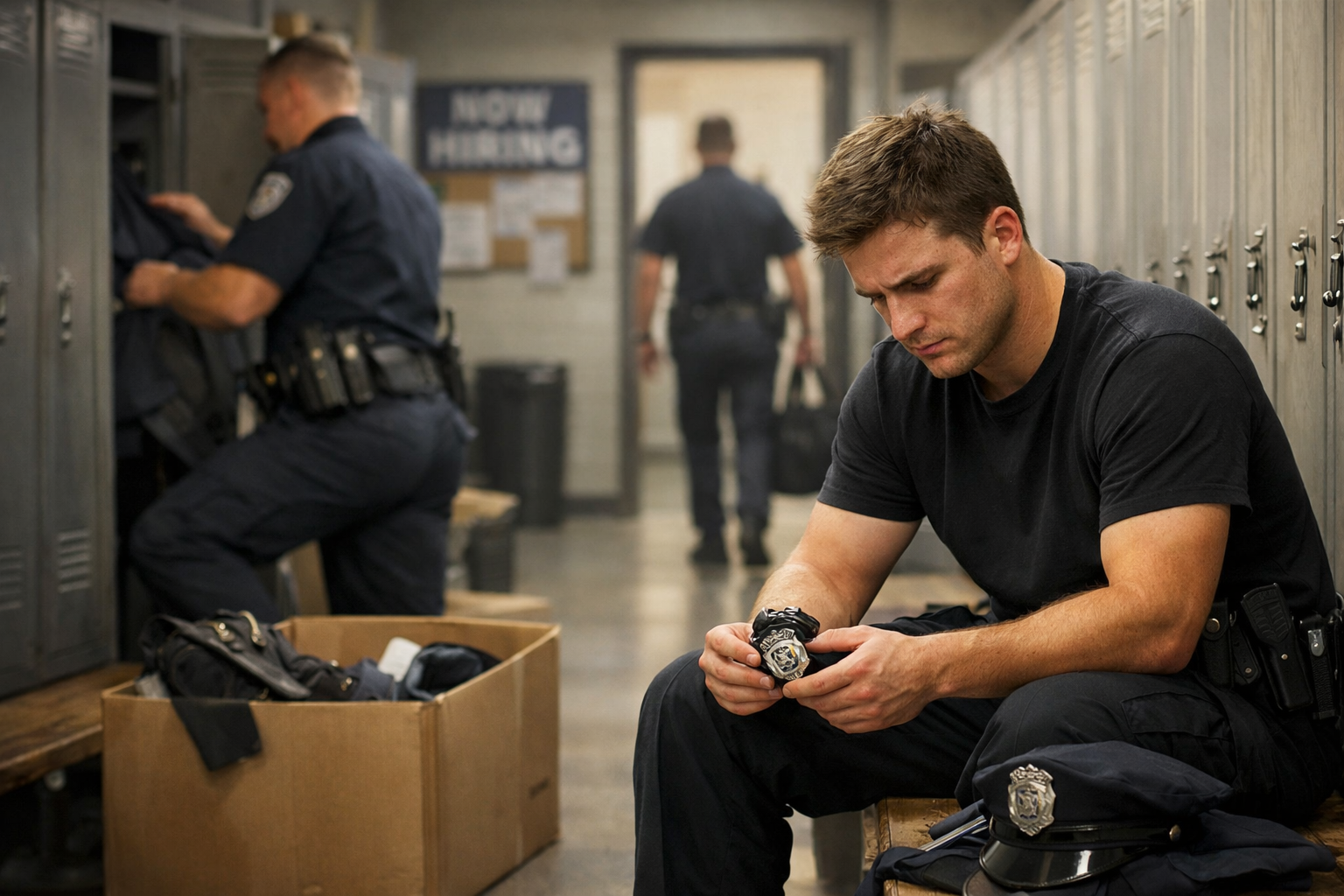
The Rookie Collapse Window: Why Most Officers Who Leave Do So in Years 2–4 — and What Departments Miss
By the time a recruit pins on a badge and steps off probation, the department has invested somewhere between $50,000 and $150,000 in their training. And then, with striking regularity, they leave. Not in year one. Not in year ten. In years two through four — after the investment has been made, after the training wheels have come off, and before the officer has reached the experience level where their institutional value compounds.