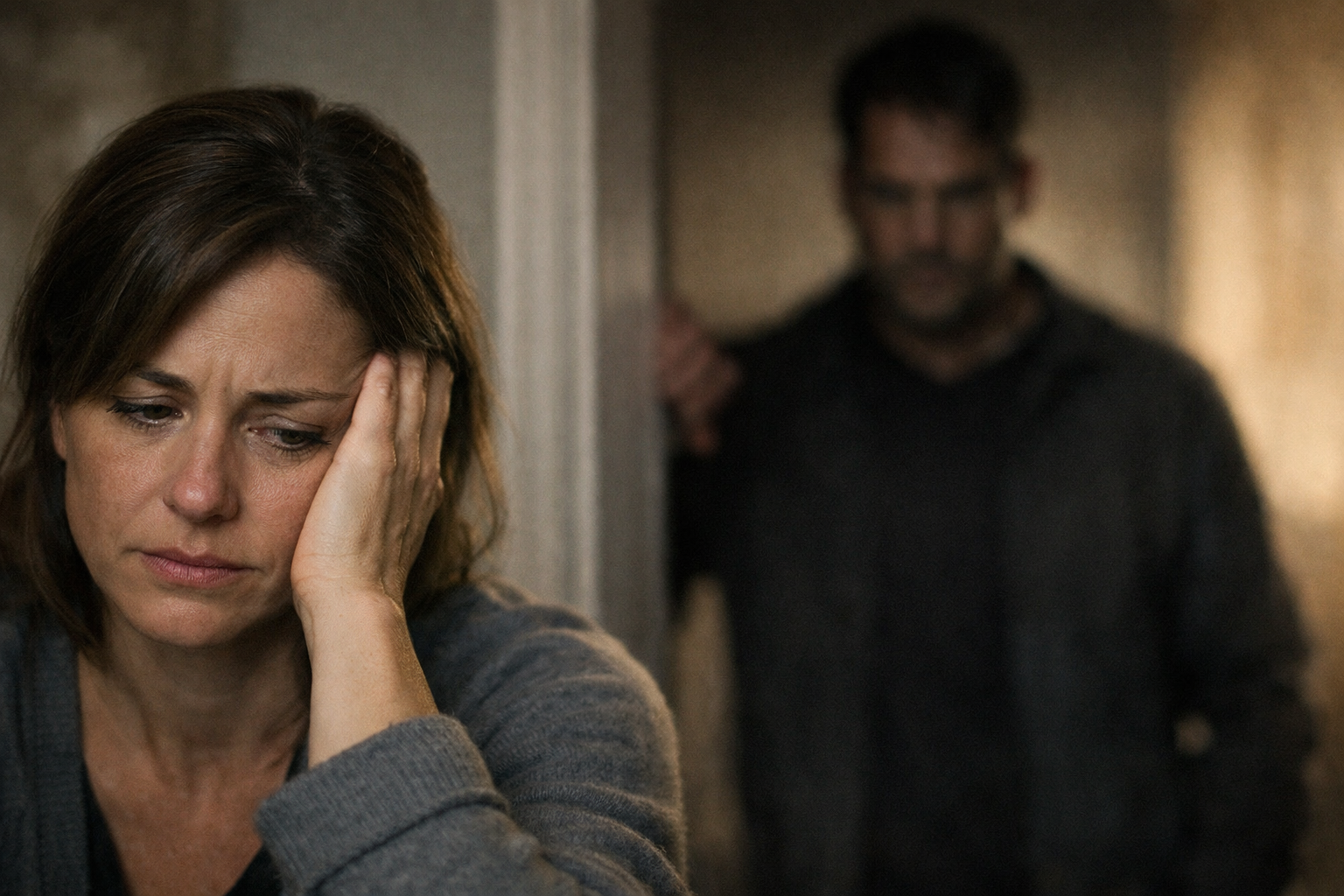
Why We Don't Have Words for This: The Language Gap in Domestic Violence and Predatory Behavior
She couldn't describe what she saw — not because she wasn't paying attention, but because nothing in our culture gave her the words for it. The angry husband, the lost temper, the cycle of remorse — we have language for all of that. What we don't have is language for the abuser who gets quiet. Who enters a state. Who doesn't lose control — who decides. That vocabulary gap isn't an accident, and it has consequences that show up on every domestic violence call.
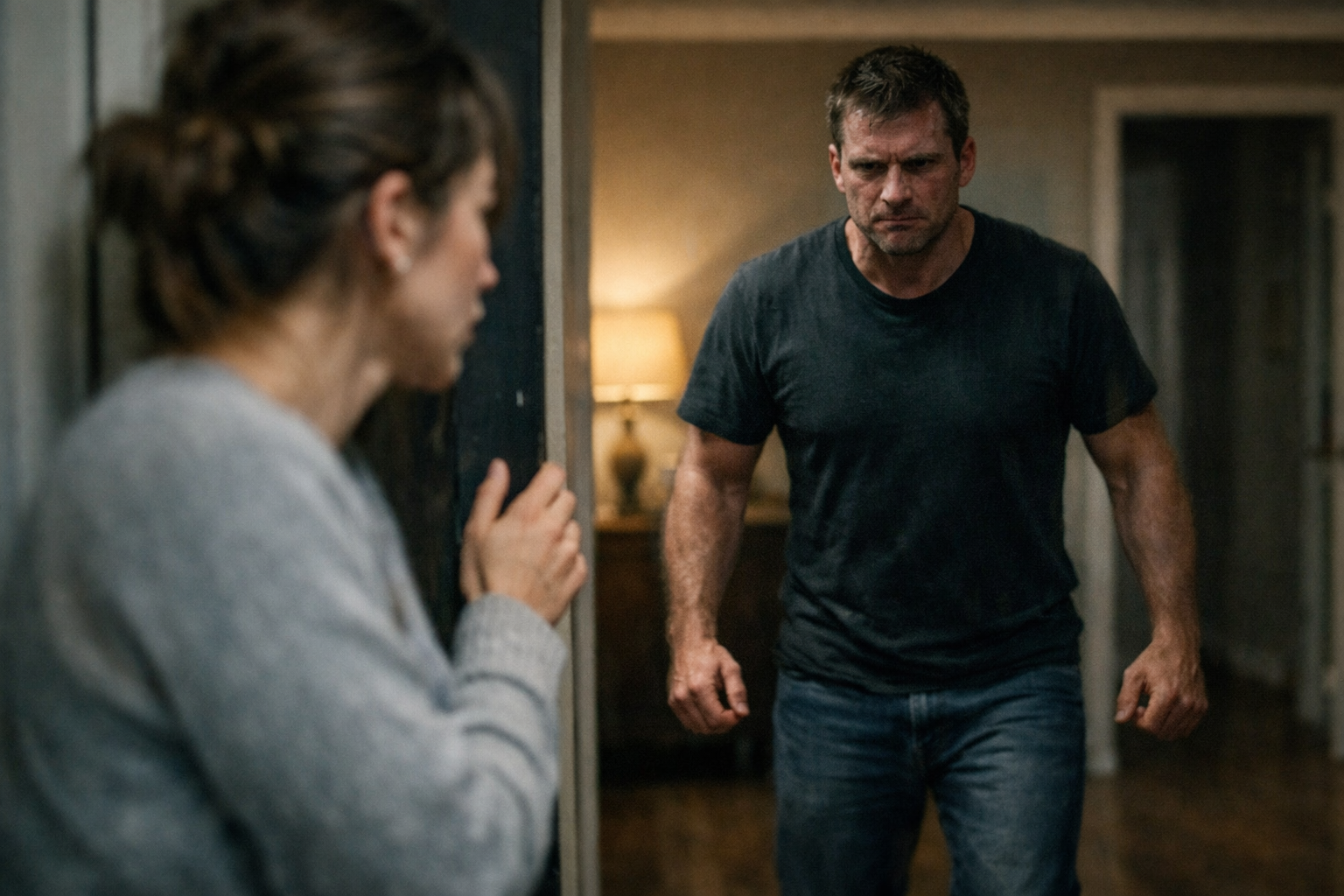
The Shaking That Isn't Fear: Recognizing Pre-Attack Adrenaline Surge in Domestic Violence Situations
She said he was shaking — but not like he was scared. His whole body was trembling while he walked toward her, and his face didn't move. She didn't have the words for what she was seeing. She just knew she had to get out. What she witnessed was the final physiological stage before physical attack — and knowing how to hear her describe it could save her life.
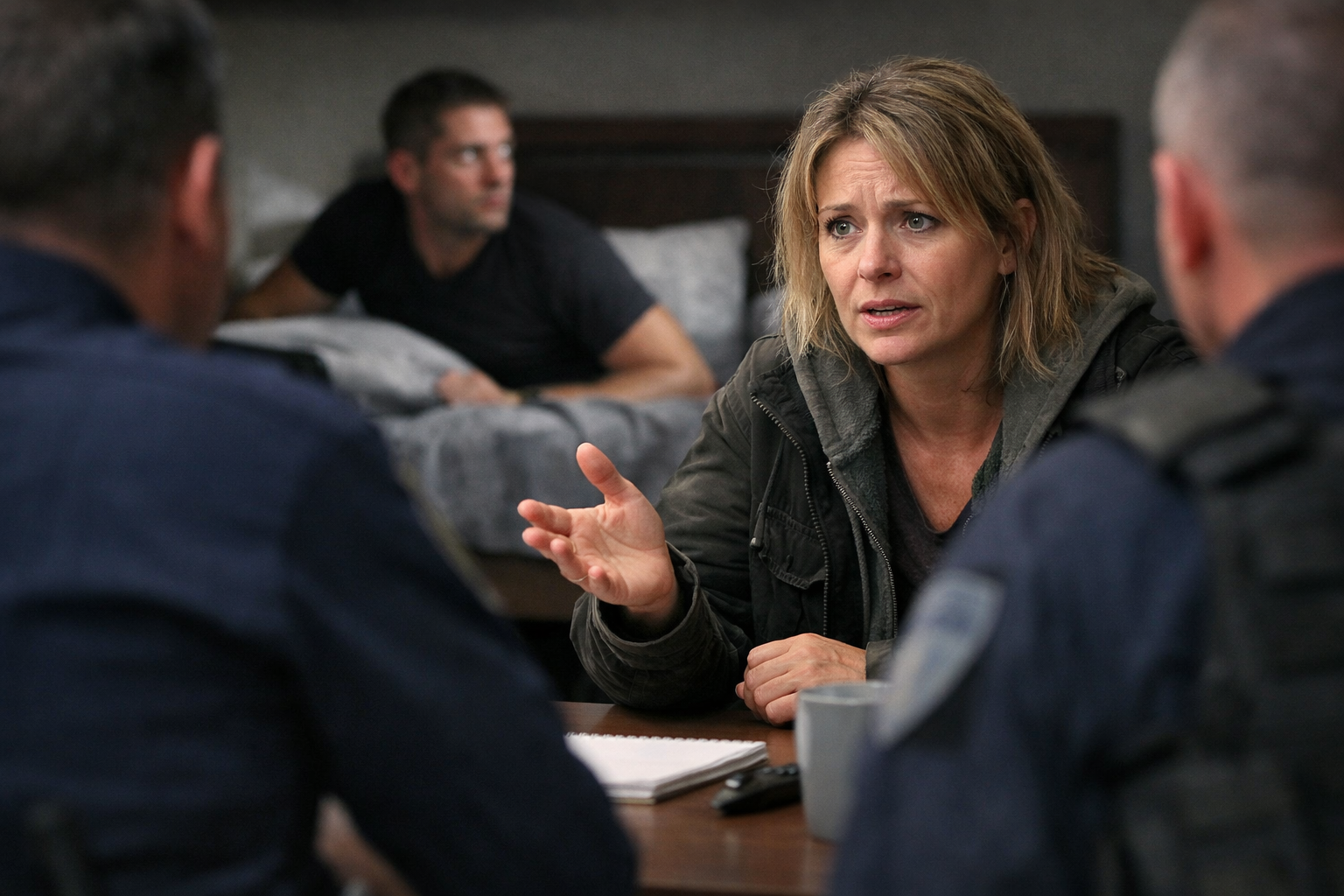
"He Gets This Look": How to Hear What She's Describing and Why It Matters for Threat Assessment
She doesn't have clinical language. What she has is years of living inside a threat environment, reading him the way her safety depended on it. When she tells you he was lying there with his eyes wide open, coming up to scan the room in full-body turns without saying a word — she is describing something real, something dangerous, and something most officers don't have a name for yet. Here's how to hear what she's telling you.