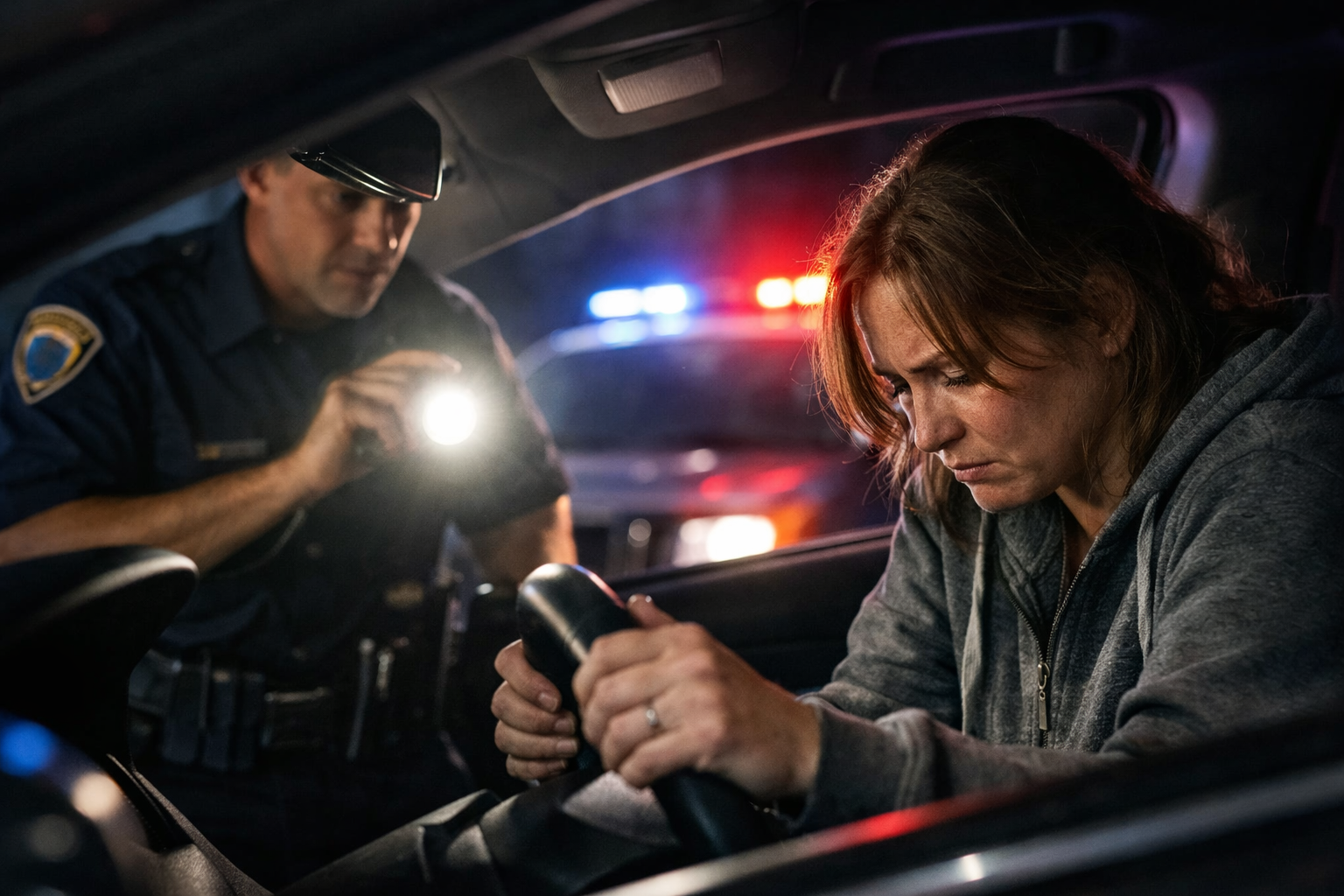
Trauma-Informed Traffic Stops: What the Research Says About Victim Behavior That Looks Like Non-Compliance
The stop looks straightforward. A vehicle matches a description. The officer initiates. The driver doesn't pull over immediately. When they finally do, they won't make eye contact. They're shaking. Their answers don't track. From a threat assessment standpoint, every one of these behaviors registers as a flag. From a trauma neuroscience standpoint, every one of them is exactly what a brain under acute stress does when it has been conditioned by prior victimization to experience law enforcement contact as danger.

He's on the Job: How to Navigate a DV Call When the Subject Is Law Enforcement or Law Enforcement Adjacent
You find out who he is in the first thirty seconds — a corrections officer, a deputy from the next county, someone who went through the academy with your partner. And before you've consciously decided anything, something shifts in how you're reading the scene. That feeling is human. It is also one of the most dangerous dynamics in domestic violence response. Here's what's producing it, what the research says about law enforcement involved DV, and how to navigate the call anyway.
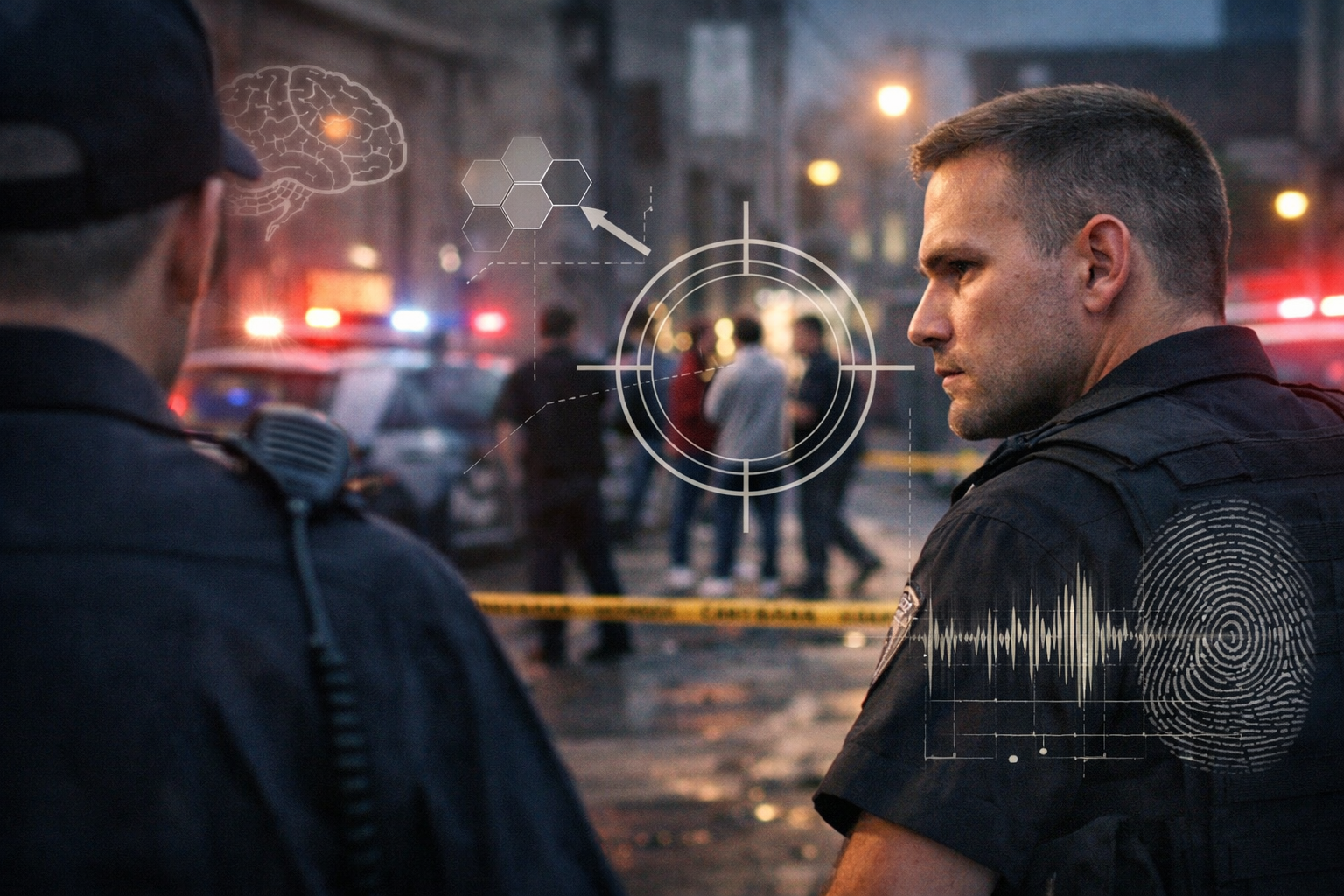
Why "Gut Instinct" Is Actually Pattern Recognition — And How to Train It
You've had the feeling. You roll up on a call and something registers before you've consciously processed anything — not a thought, not a checklist, just a signal that says something is wrong here. That feeling is real, it has a name, and it has a neural architecture behind it that can be trained, calibrated, and audited for bias. Here's what the science actually says about gut instinct — and what to do with that knowledge.