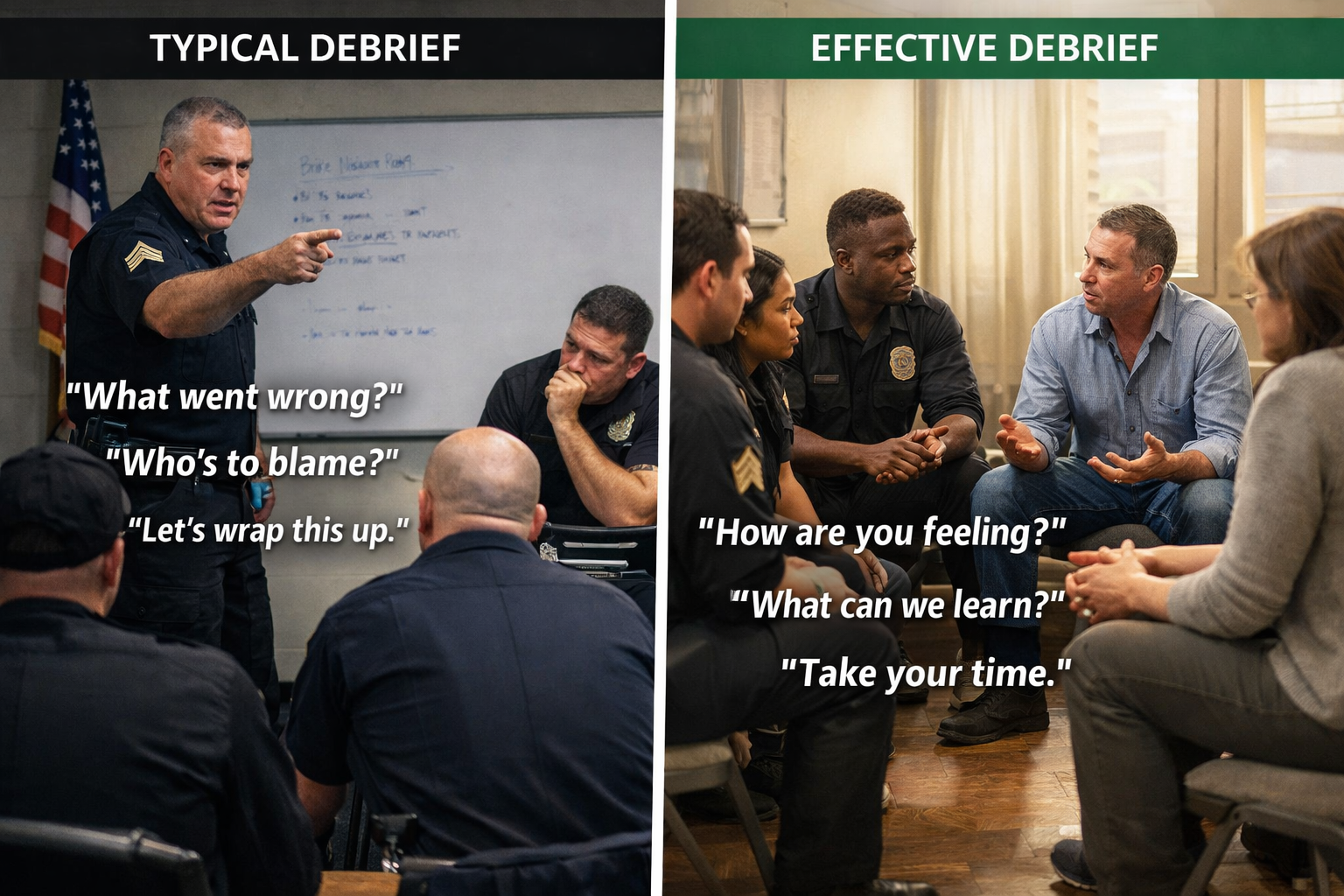
What Good Debriefs Actually Look Like: The Gap Between How Departments Process Critical Incidents and What the Science Recommends
In most departments, what happens in a debrief is shaped more by tradition, liability concern, and the personal style of whoever is running it than by any systematic engagement with what the research says actually helps. The gap between the debrief as it is commonly practiced in law enforcement and the debrief as the science recommends it is not a minor procedural detail. It is the difference between a process that supports recovery and one that, at its worst, actively increases the risk of post-traumatic stress symptoms in the people it is supposed to help.

Trauma-Informed Traffic Stops: What the Research Says About Victim Behavior That Looks Like Non-Compliance
The stop looks straightforward. A vehicle matches a description. The officer initiates. The driver doesn't pull over immediately. When they finally do, they won't make eye contact. They're shaking. Their answers don't track. From a threat assessment standpoint, every one of these behaviors registers as a flag. From a trauma neuroscience standpoint, every one of them is exactly what a brain under acute stress does when it has been conditioned by prior victimization to experience law enforcement contact as danger.
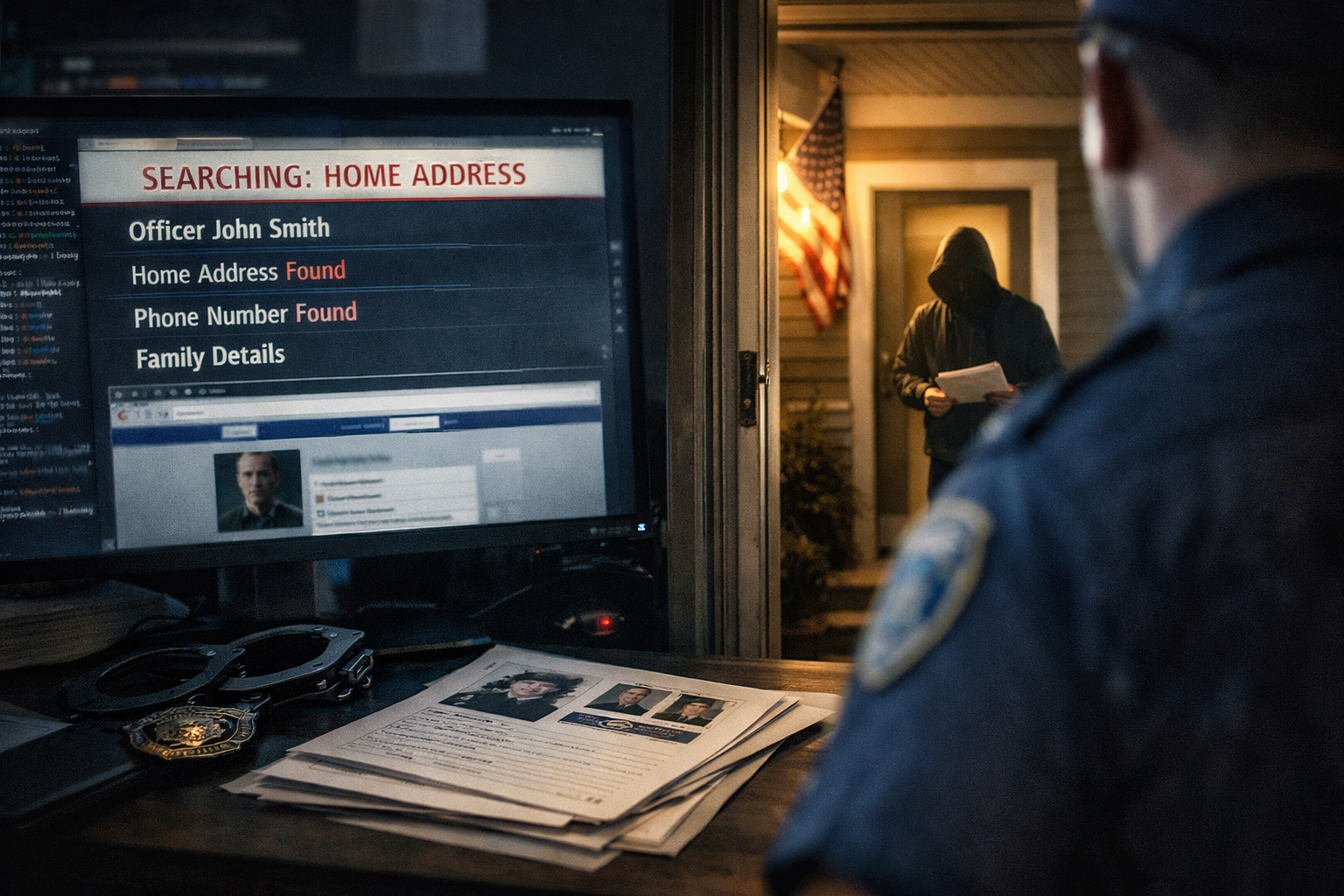
You Are the Target: What Law Enforcement Officers Need to Understand About Doxxing
Doxxing begins in a browser window and ends at your front door. For law enforcement officers, the threat is specific, documented, and growing — and most departments aren't adequately preparing their people for it. Here's what the tactic actually involves, why officers are high-value targets, what the psychological toll looks like, and what a real defense requires.