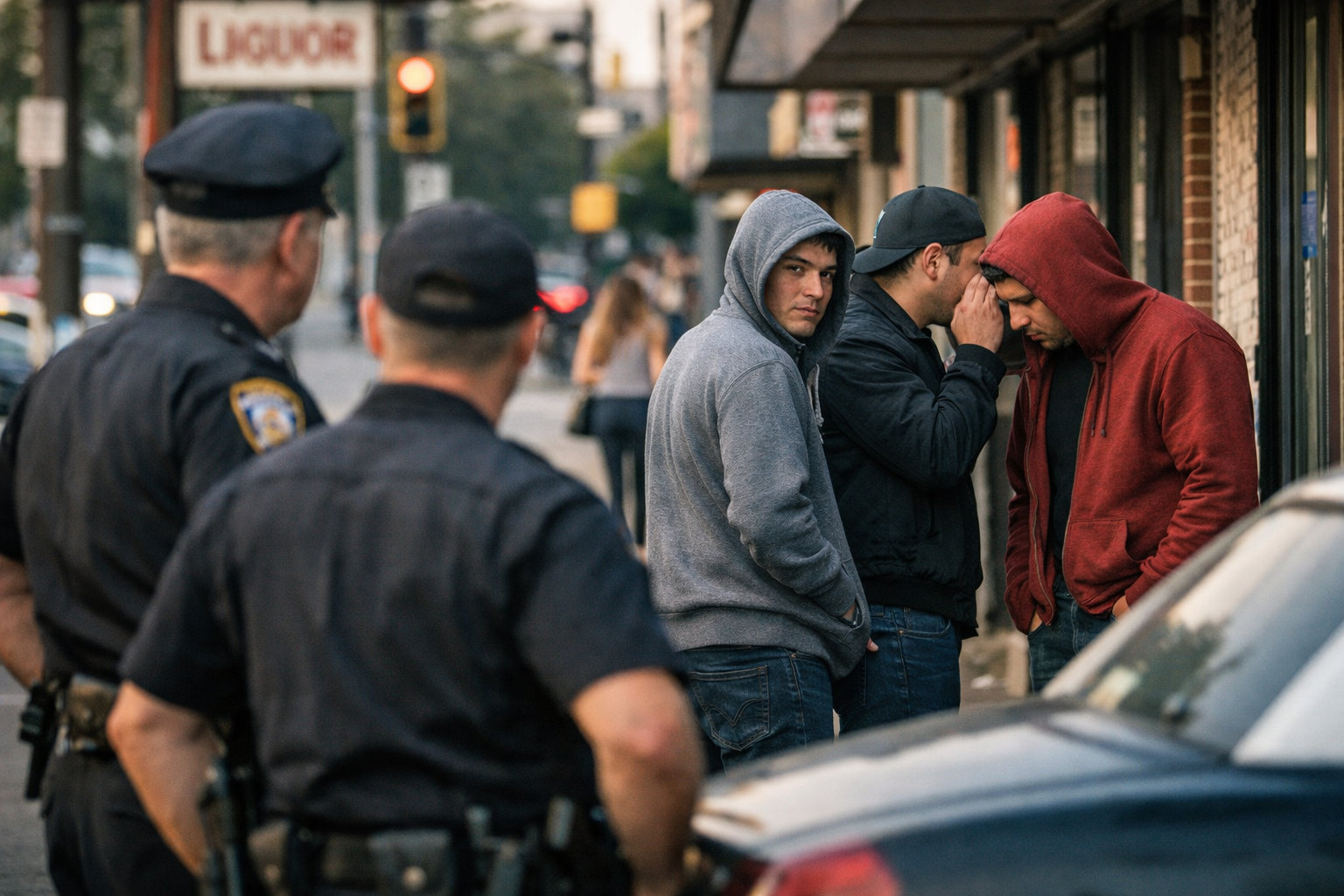
The 8 Pre-Attack Behaviors Most Officers Miss on Patrol
Every major study on targeted violence surfaces the same finding: the warning signs were there. For patrol officers, recognizing pre-attack behavior isn't a specialized skill — it's a core function. Here's what the research says, and how to use it on the street.
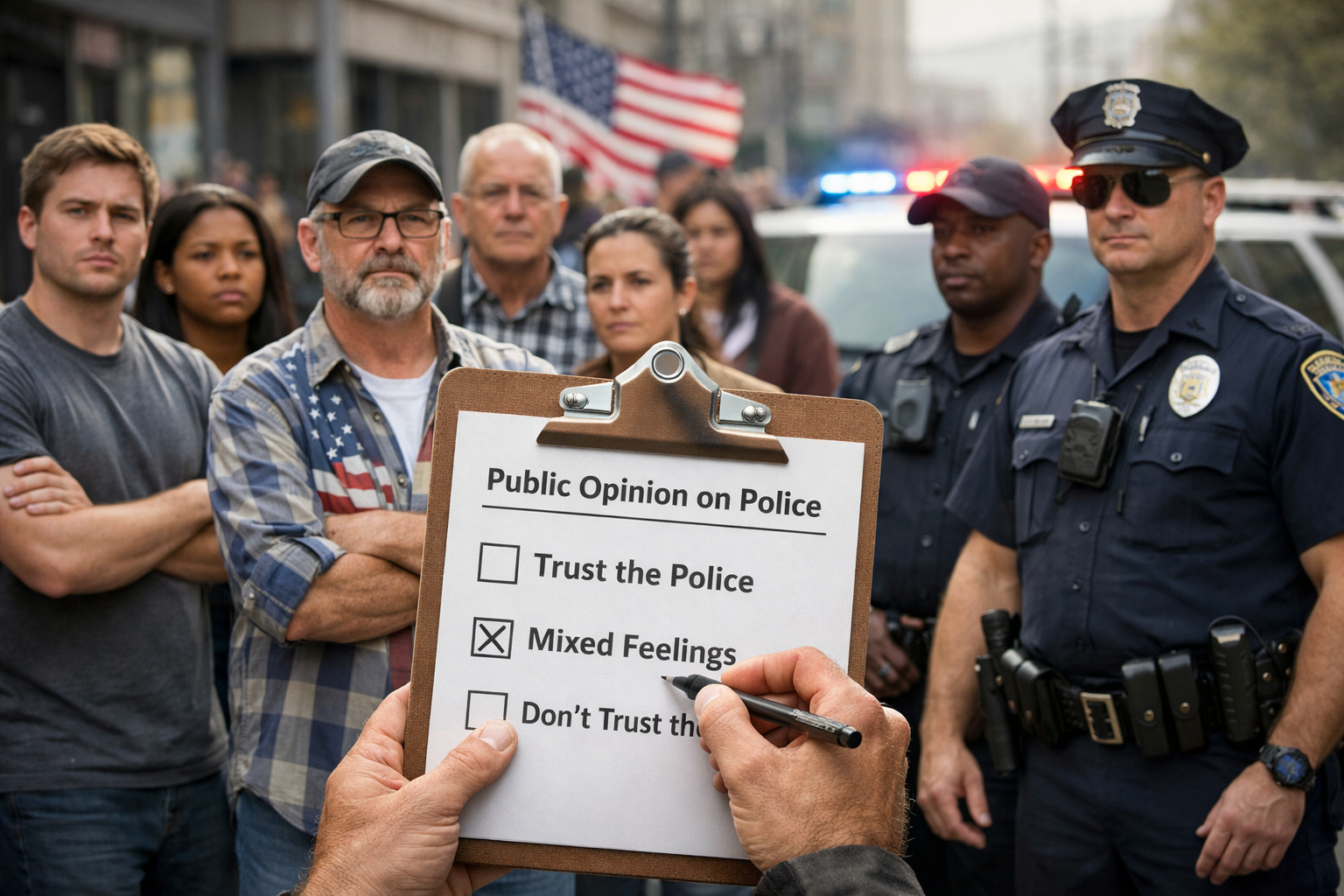
Where the American Public Actually Stands on Law Enforcement in 2026
The story of public support for law enforcement is rarely told accurately. On one side, you hear that trust is collapsing. On the other, that everything is fine. The actual data is more complicated — and more useful — than either narrative.

How Many Law Enforcement Professionals Are in the U.S. in 2026?
Ask how many law enforcement professionals are in the United States and you'll get a different answer depending on where you draw the line. The commonly cited sworn officer figure is around 667,000. Add federal agents, corrections officers, probation and parole officers, and the broader law enforcement adjacent workforce — and the number climbs to approximately 1.5 million people. Here's the full picture, category by category, built from the most current available data.
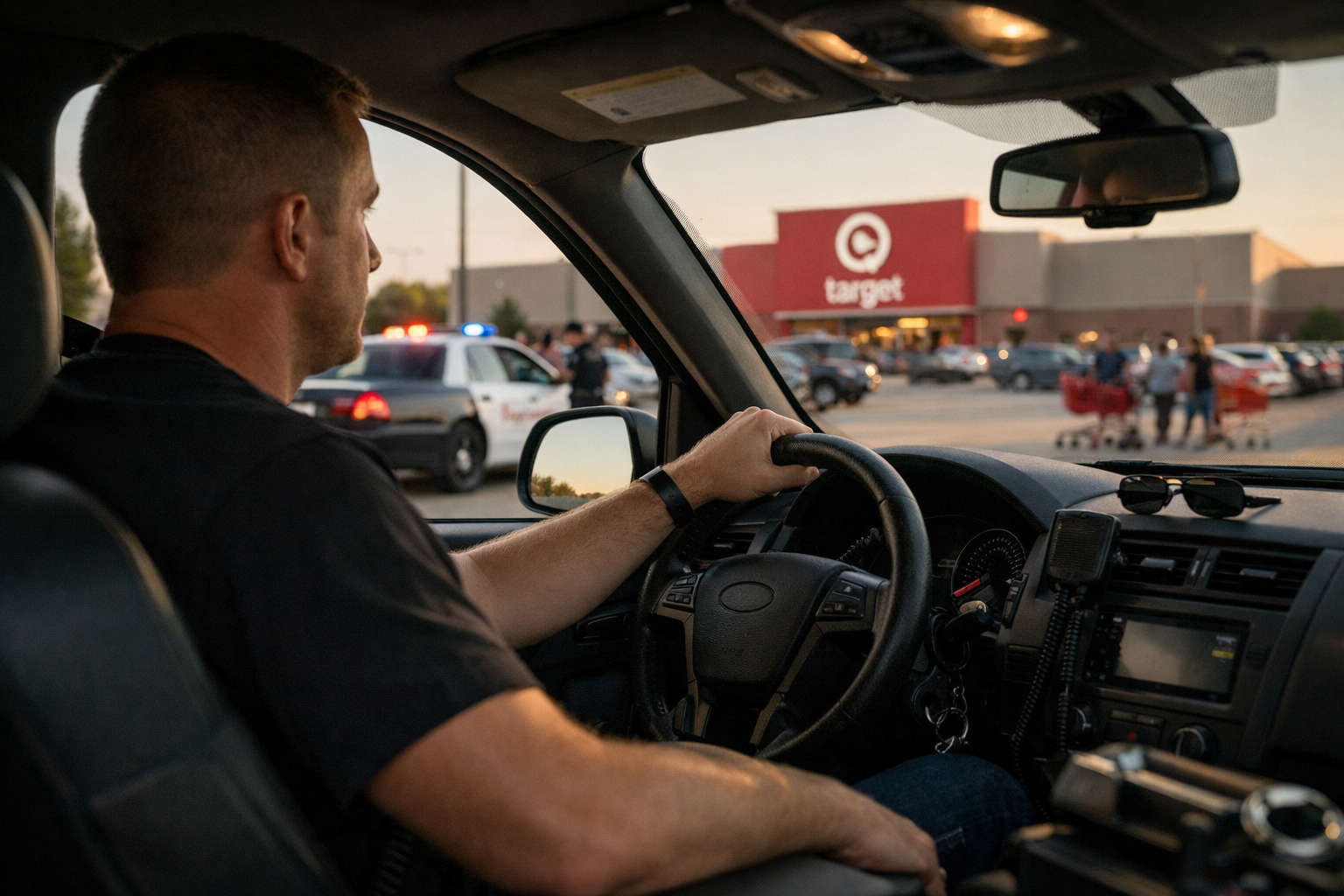
Why You Drive to the Next County to Go to Target: On Never Feeling Off-Duty in Your Own Jurisdiction
It's not really about the store. It's about what happens when you try to exist as a civilian in the same geography where you work — the automatic threat assessments, the recognitions that put you back on the job, the low-level vigilance that doesn't turn off because the environment that requires it hasn't changed. Driving to the next county is a rational adaptation to a real condition. Here's what that condition actually is, and what to do when the adaptation starts costing more than it's worth.
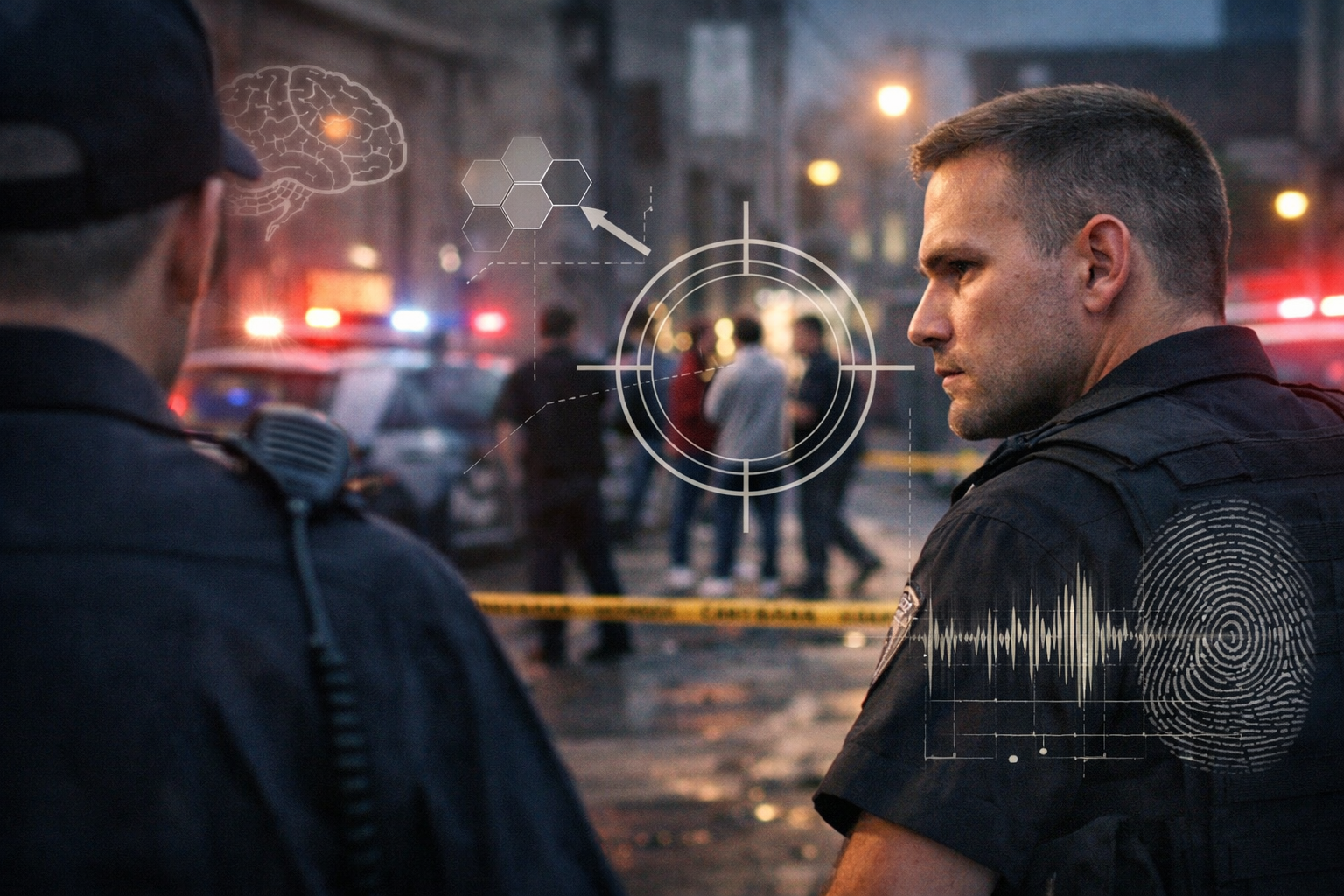
Why "Gut Instinct" Is Actually Pattern Recognition — And How to Train It
You've had the feeling. You roll up on a call and something registers before you've consciously processed anything — not a thought, not a checklist, just a signal that says something is wrong here. That feeling is real, it has a name, and it has a neural architecture behind it that can be trained, calibrated, and audited for bias. Here's what the science actually says about gut instinct — and what to do with that knowledge.
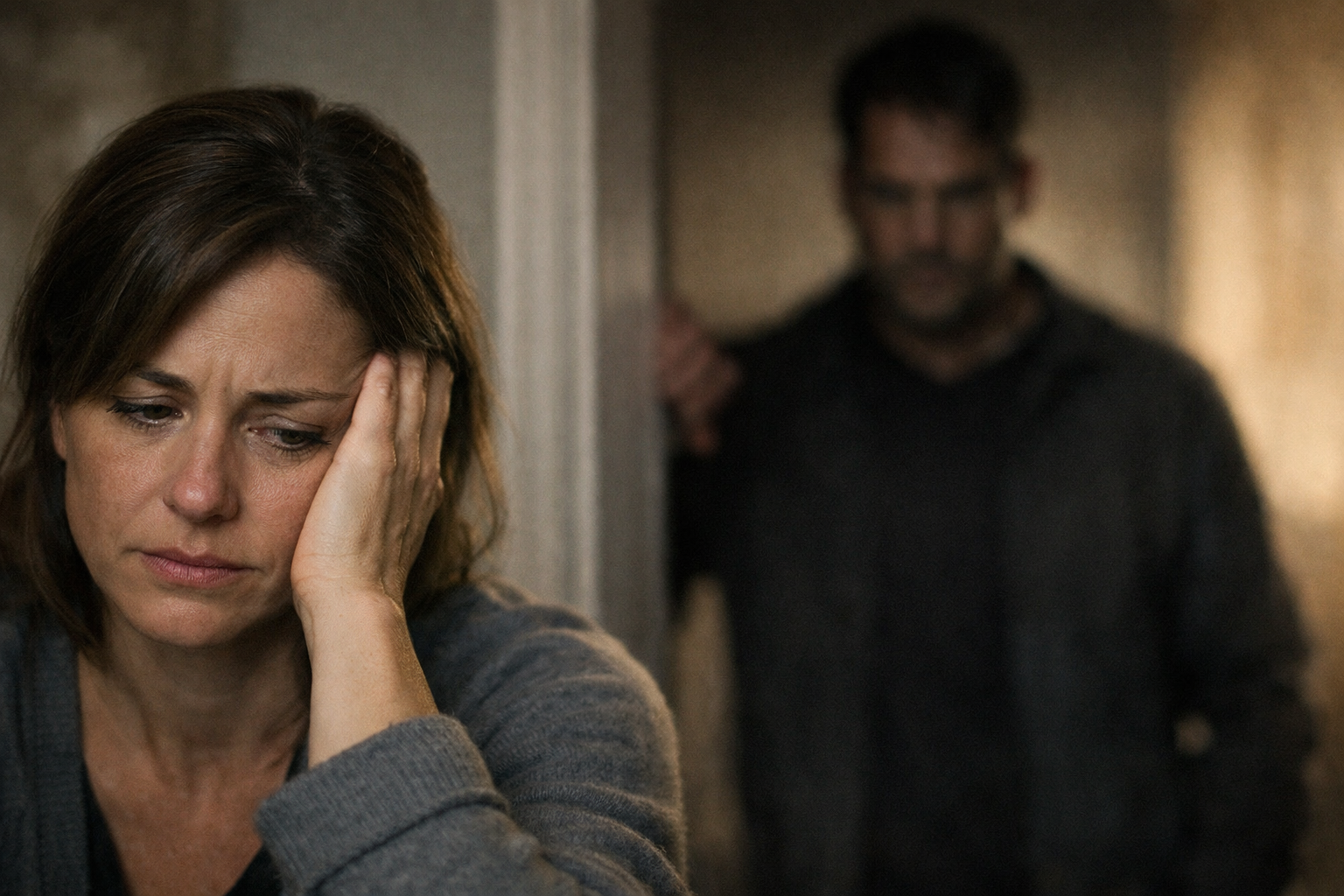
Why We Don't Have Words for This: The Language Gap in Domestic Violence and Predatory Behavior
She couldn't describe what she saw — not because she wasn't paying attention, but because nothing in our culture gave her the words for it. The angry husband, the lost temper, the cycle of remorse — we have language for all of that. What we don't have is language for the abuser who gets quiet. Who enters a state. Who doesn't lose control — who decides. That vocabulary gap isn't an accident, and it has consequences that show up on every domestic violence call.
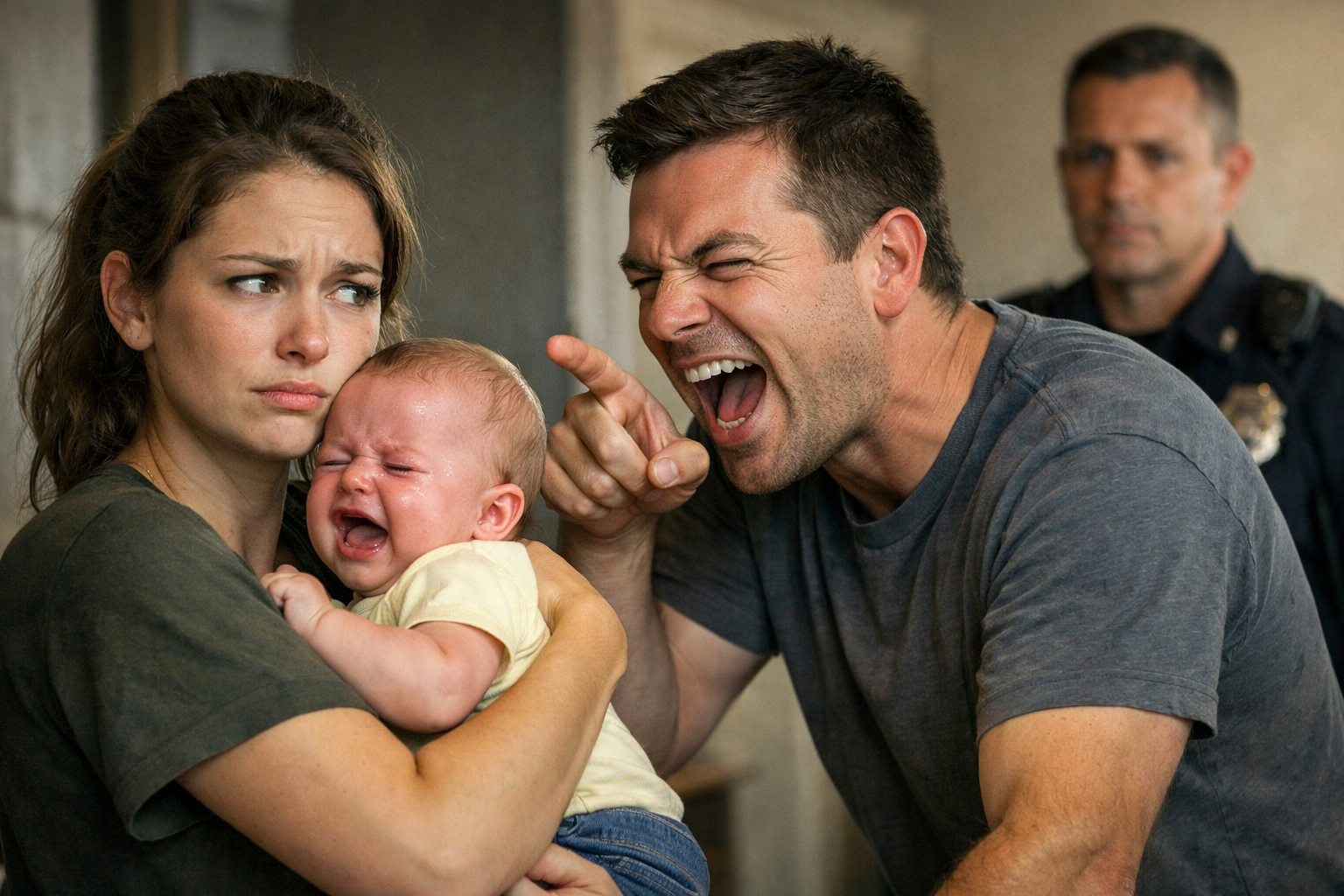
When a Mom Reports Dad Mocking the Baby's Cries: What It Means and What to Do With It
She may not have the words to explain why it scares her. She just knows it does. When a mother tells you that dad mocks the baby when it cries — mimicking it, laughing at it, getting in the infant's face — she's reporting more than a parenting style. She's describing a caregiver who sees a crying infant not as a child in need, but as an adversary. Here's what the research says about that pattern, and what patrol officers can do with it on scene.
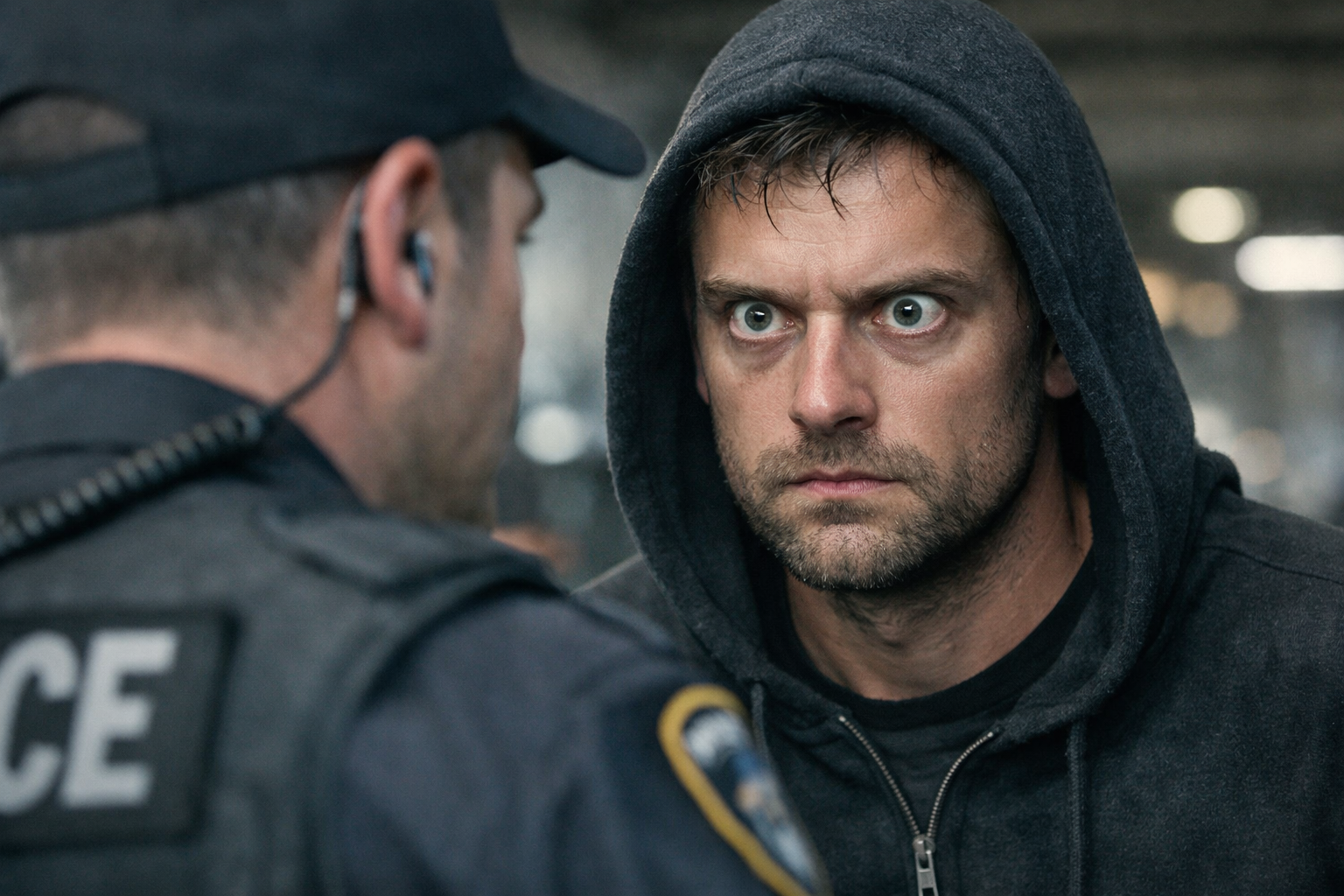
The Eyes That Give You a Chill: What Wide, Unblinking Stares Actually Signal
You've seen it on a call — eyes open too wide, not blinking, locked on you in a way that doesn't feel right. Before your brain named it, your gut already flagged it. Here's the behavioral science behind what that stare actually signals, and how to read what's driving it.