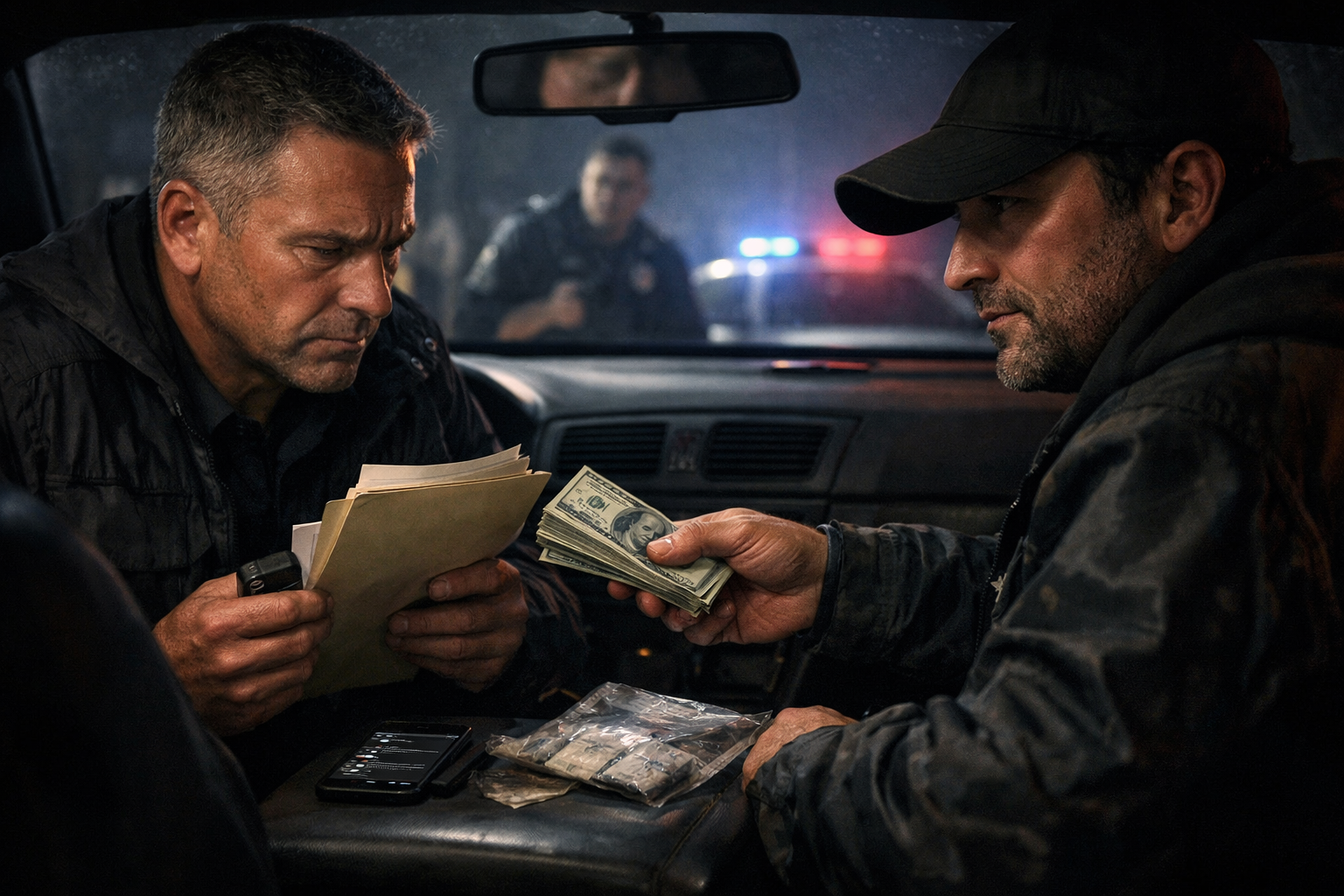
The Informant Problem: Managing CI Relationships Without Getting Owned by Them
Every experienced investigator has a version of the same story. The informant who started as a reliable source and ended as a liability. The CI who was producing good information right up until the moment it became clear the information was being shaped, filtered, and timed to serve the informant's agenda rather than the investigation's. The gap between how CI relationships are supposed to work and how they actually develop in the field is where cases get compromised, officers get disciplined, and occasionally people get killed.
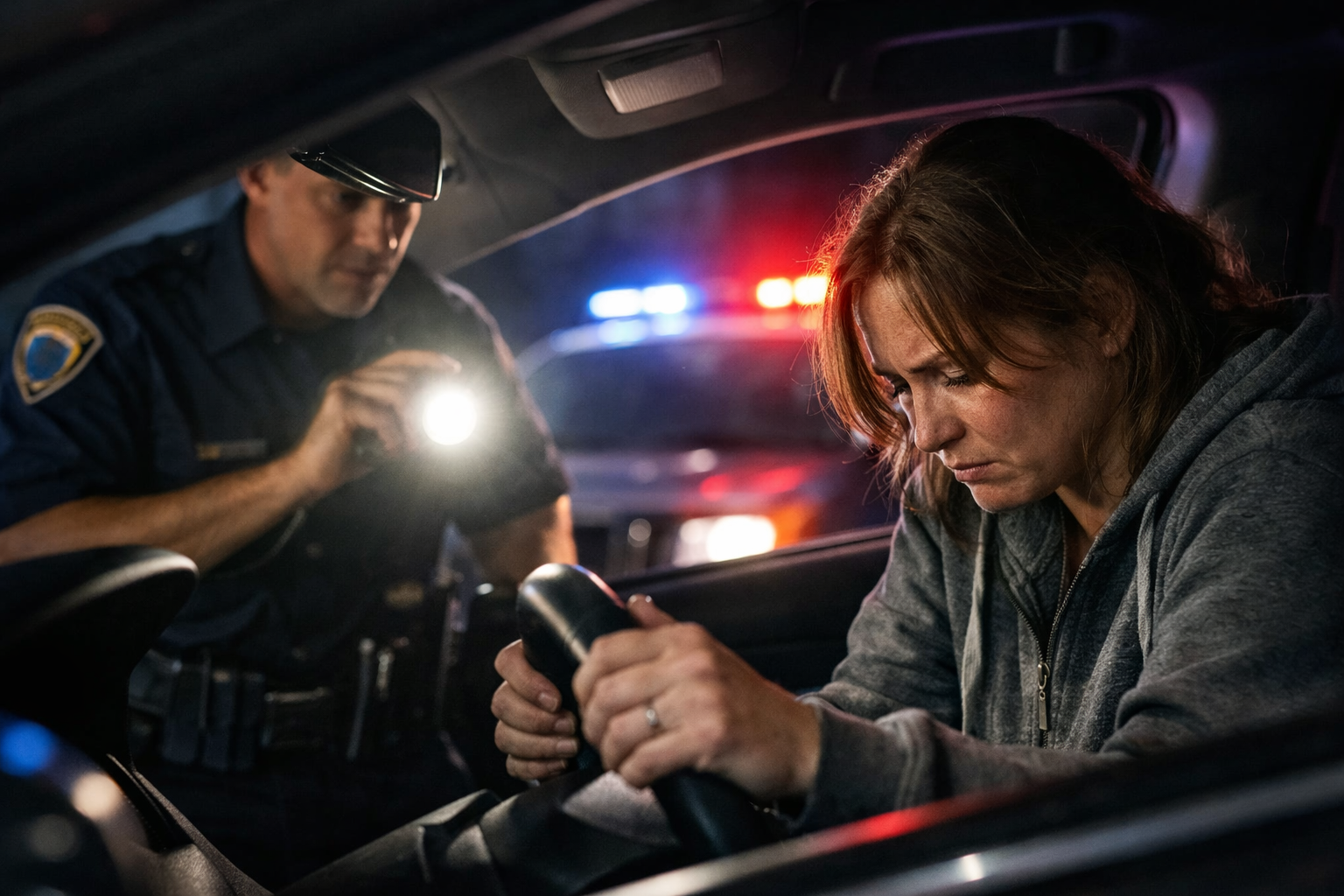
Trauma-Informed Traffic Stops: What the Research Says About Victim Behavior That Looks Like Non-Compliance
The stop looks straightforward. A vehicle matches a description. The officer initiates. The driver doesn't pull over immediately. When they finally do, they won't make eye contact. They're shaking. Their answers don't track. From a threat assessment standpoint, every one of these behaviors registers as a flag. From a trauma neuroscience standpoint, every one of them is exactly what a brain under acute stress does when it has been conditioned by prior victimization to experience law enforcement contact as danger.
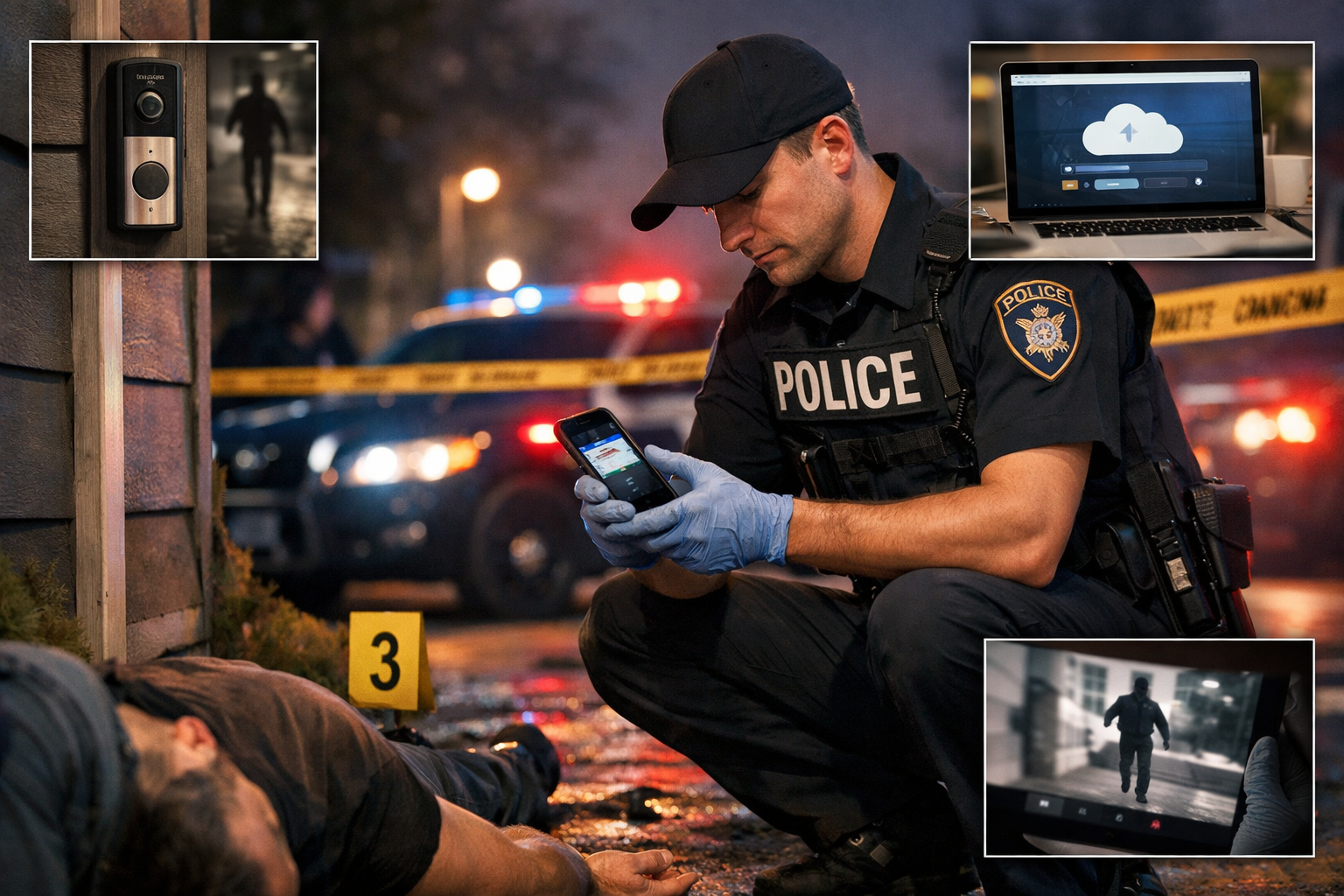
When the Witness Is the Phone: A Patrol Officer's Guide to Digital Evidence at the Scene
The witness who saw everything is standing right there. So is the one who didn't say a word — the phone in the victim's pocket, the doorbell camera across the street, the cloud account that synced the moment before the suspect wiped the device. Digital evidence doesn't forget. It doesn't recant. It doesn't fail to show up to court. But it disappears fast, and the window to preserve it correctly is often measured in hours.
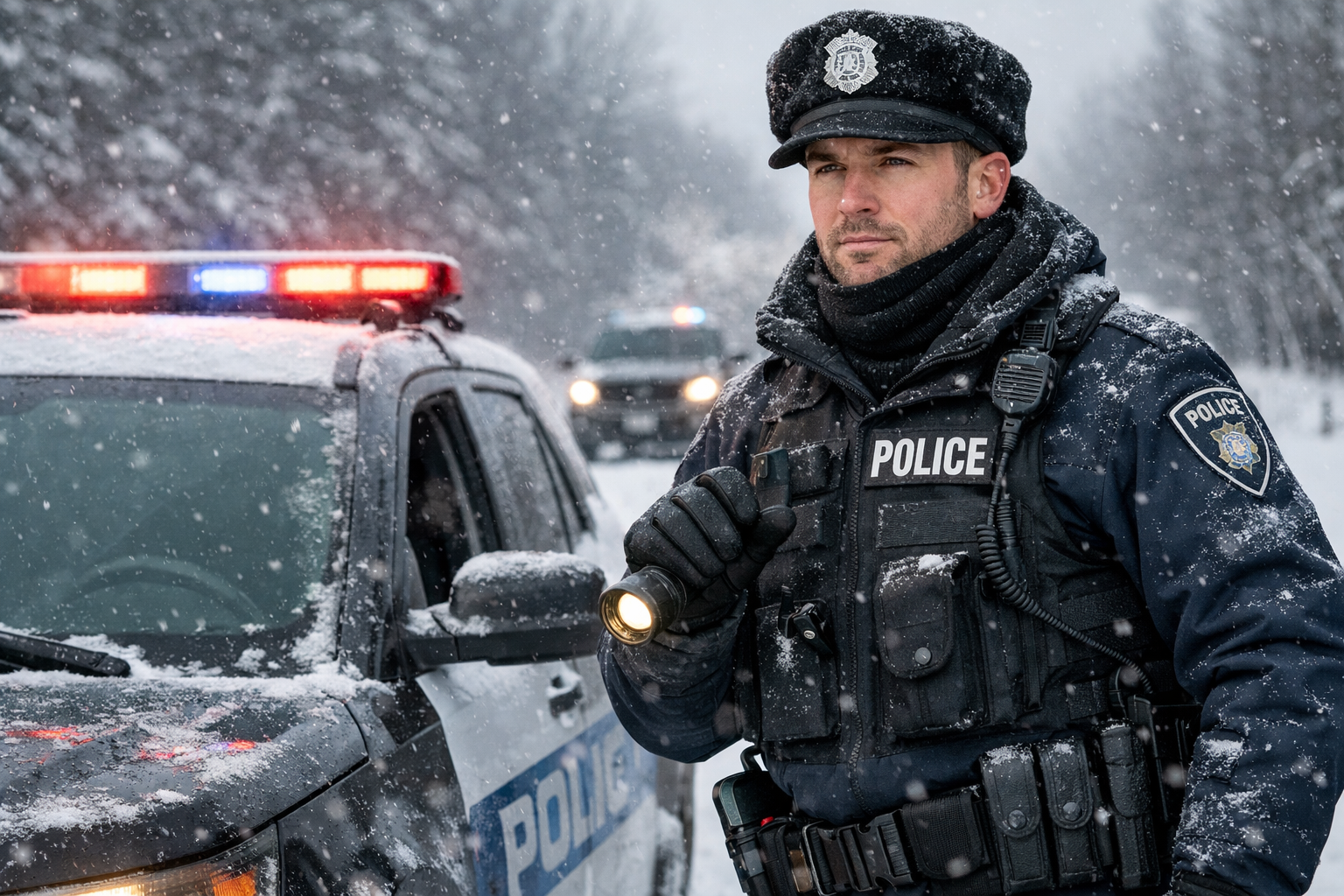
Surviving Winter as a Police Officer: Cold Weather Patrol Tips That Matter
Winter conditions make police work significantly more challenging. Snow, ice, freezing temperatures, and reduced visibility can turn routine calls into dangerous situations for officers on patrol. From proper cold-weather gear to winter vehicle preparation and driving tactics, this guide breaks down the practical strategies officers can use to stay safe, maintain operational readiness, and manage the physical demands of winter policing.
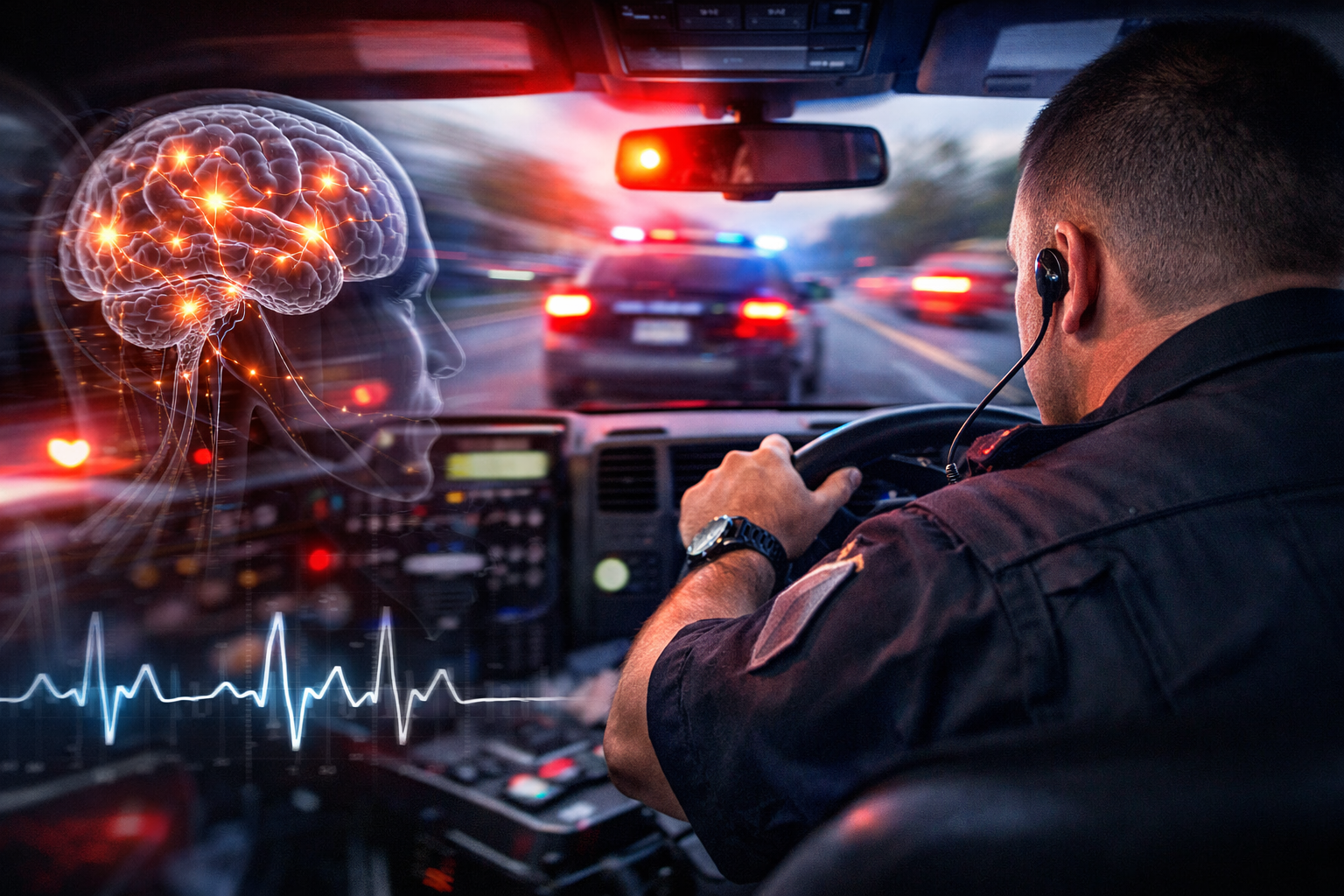
Code 3 and the Brain: What the Neuroscience of Emergency Response Driving Actually Tells Us
The moment an officer hits lights and sirens, their brain and body change in ways that feel like readiness but can function like impairment. Elevated arousal, perceptual compression, divided attention, siren hype — the cognitive and physiological profile of a Code 3 response is one of the least-discussed risk factors in officer safety. Here's what the research says, and what it means for training and the road.
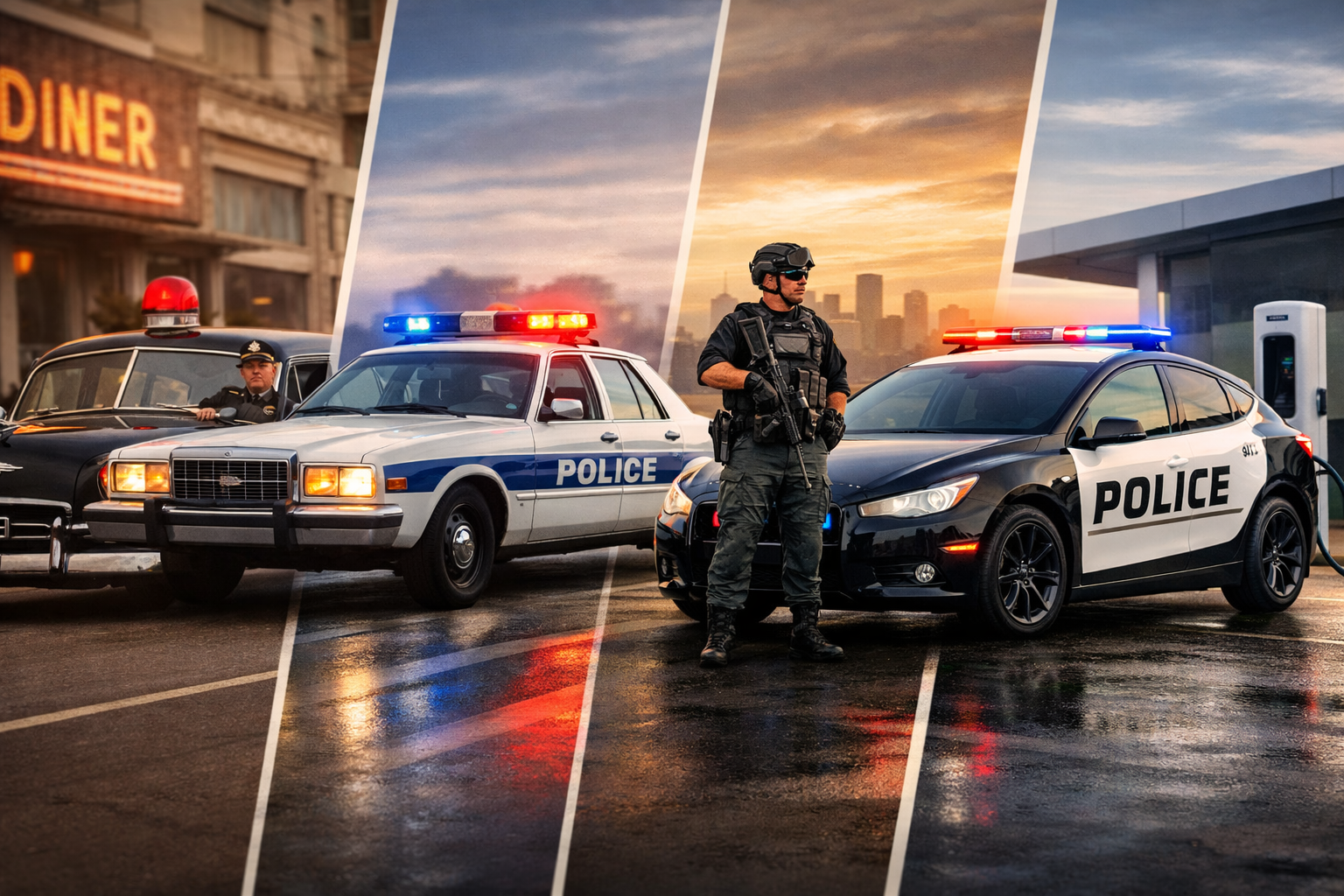
The Patrol Vehicle as a Mirror: What 75 Years of Law Enforcement Cars Reveal About Policing Itself
The patrol vehicle has always been a mirror. What departments drove reflected what they valued — raw speed in one era, austerity in another, stability for two decades, and now flexibility and electrification. Seventy-five years of purpose-built law enforcement vehicles is a long enough arc to see the patterns clearly. Here's what they show.
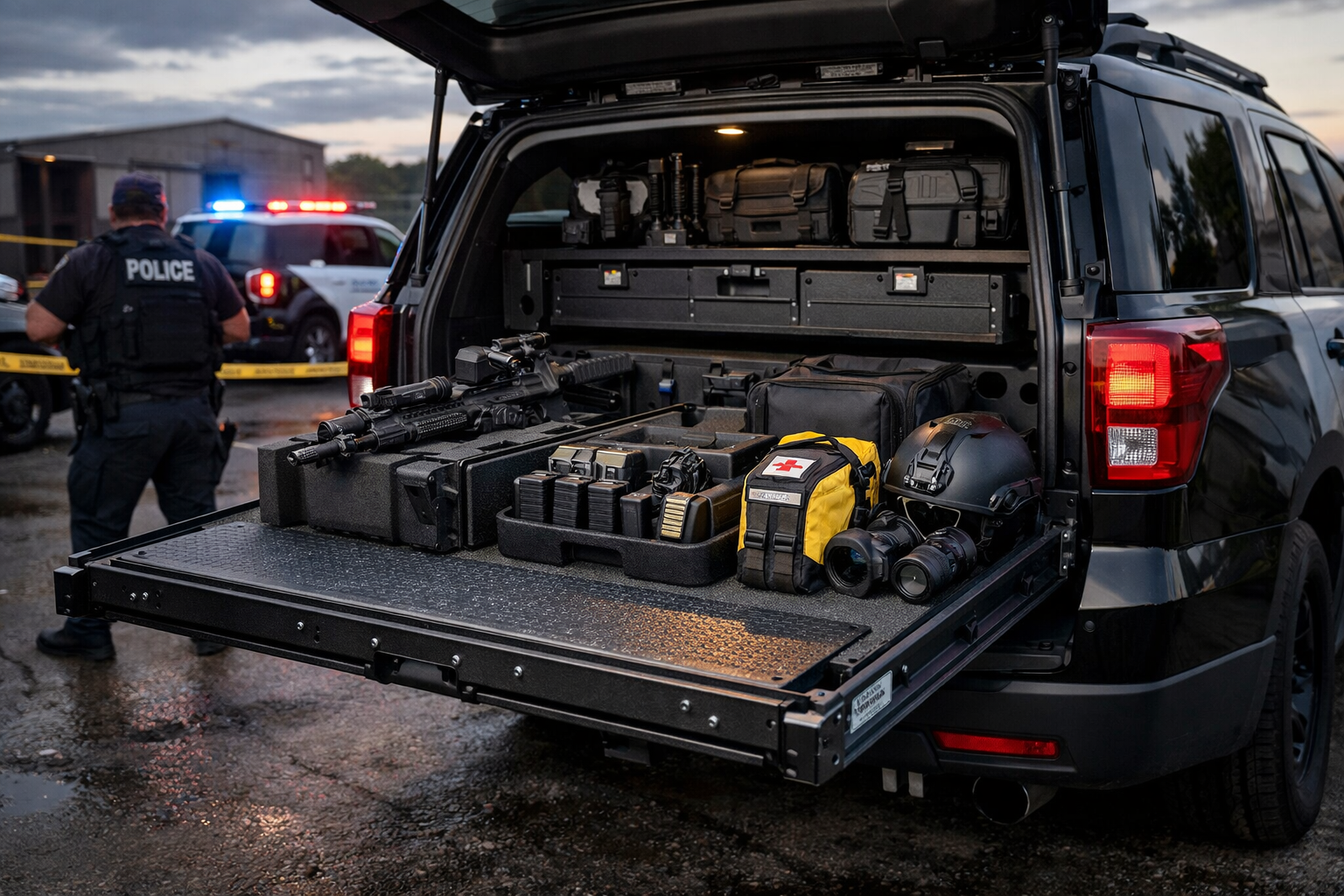
Why Your Fleet's Slide-Out System Is a Tactical Decision, Not a Budget Line Item
Fleet procurement decisions often get treated as logistics problems. But some equipment choices live closer to the tactical side of the ledger than the financial one — and truck bed slide-out systems are a good example of something that gets miscategorized more often than it should. When officers can't access their gear quickly, in the right order, from a safe position, the vehicle is constraining the mission. Here's what fleet managers need to understand before the next procurement decision.