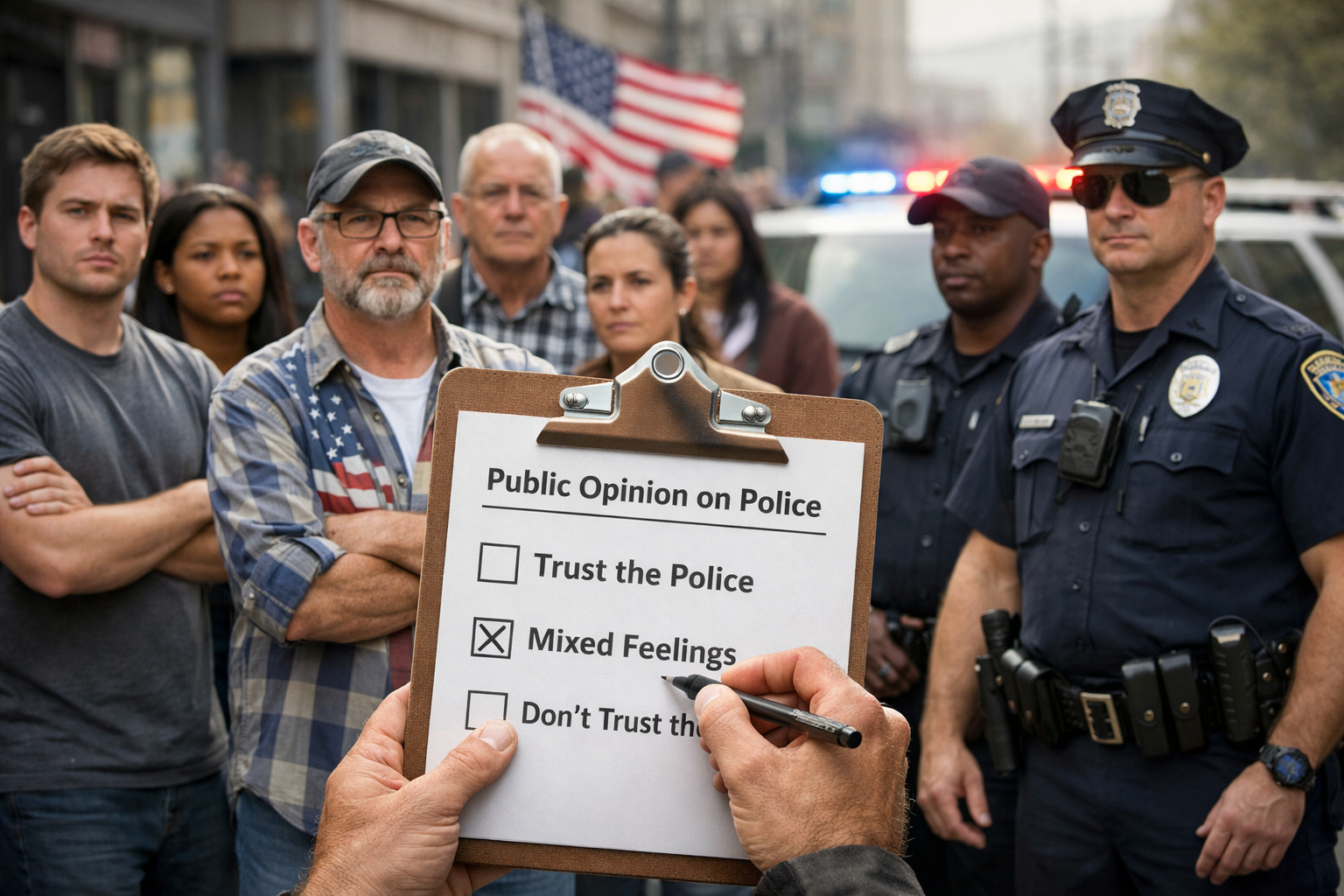
Where the American Public Actually Stands on Law Enforcement in 2026
The story of public support for law enforcement is rarely told accurately. On one side, you hear that trust is collapsing. On the other, that everything is fine. The actual data is more complicated — and more useful — than either narrative.
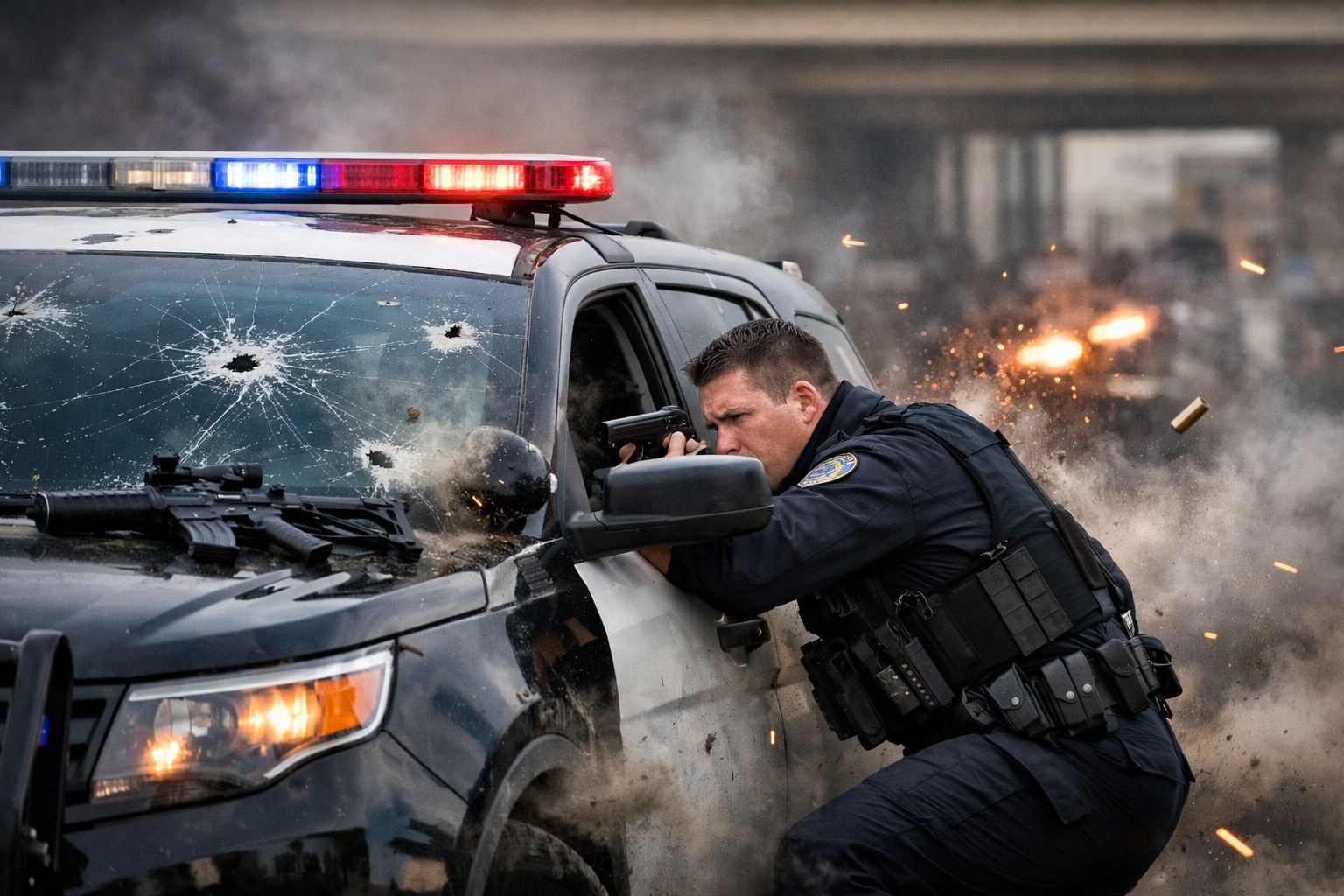
Your Patrol Vehicle Is Not a Bunker. Here's How to Use It Like It Is One.
A patrol vehicle can stop rounds. It can buy time. But the data on officer-involved shootings tells a consistent story: officers who lock onto cover and stop moving are making a choice that works against them — often without realizing it.

Your Helmet Stopped the Bullet. That Doesn't Mean Your Brain Is Fine.
There's a claim that circulates in law enforcement gear circles: if the helmet stops the bullet, the officer is safe. The dent doesn't matter. Penetration is the only metric that counts. It's a clean, confident claim. And the science doesn't support it.
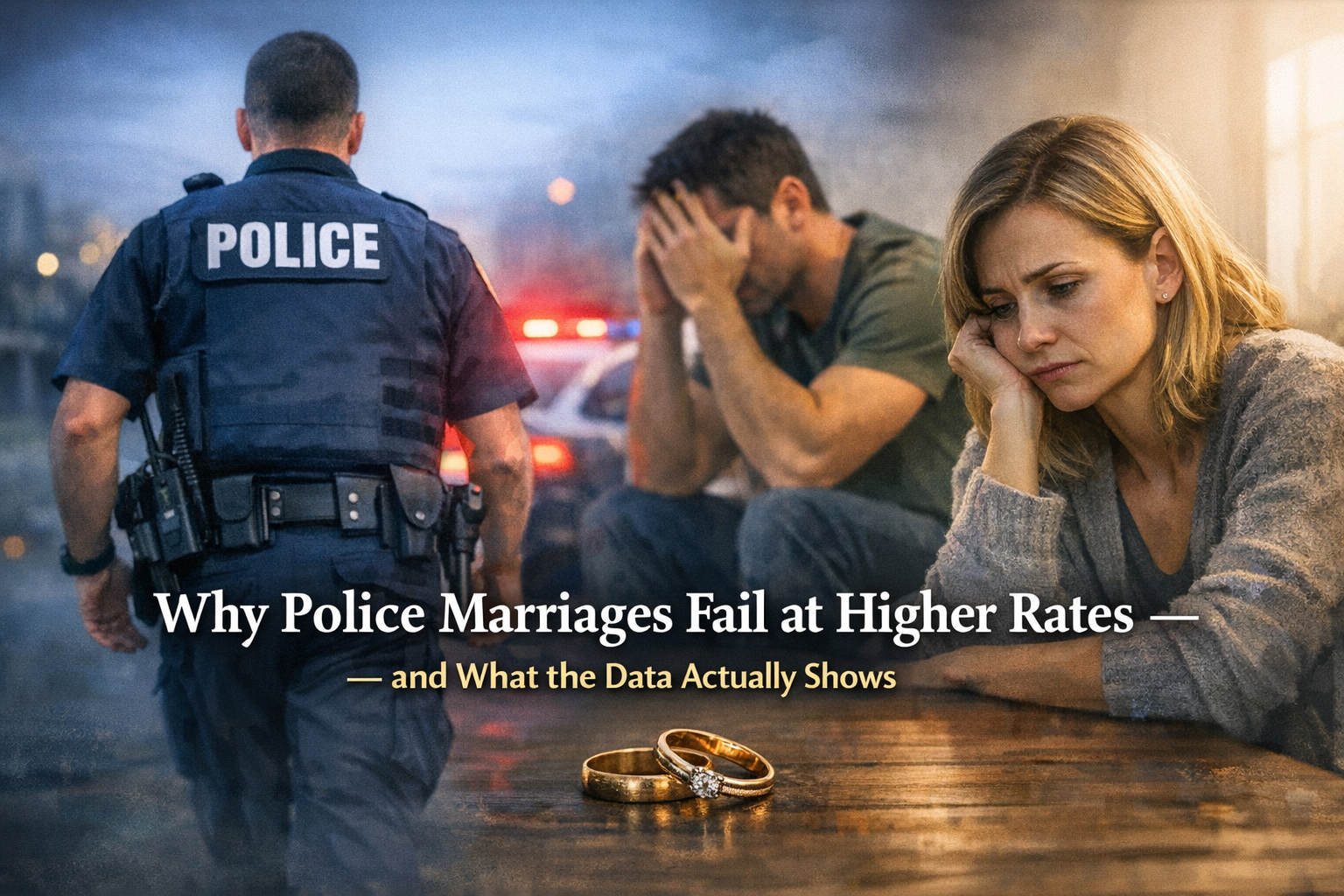
Why Police Marriages Fail at Higher Rates — and What the Data Actually Shows
The statistic gets quoted at academy graduations and in retirement speeches like settled fact — police officers divorce at 70 percent, higher than almost any other profession. The research is considerably less settled. Here's an honest look at what the data actually shows, why the folklore figure persists anyway, and — more importantly — the specific mechanisms that consistently damage law enforcement relationships regardless of what the precise divorce percentage turns out to be.
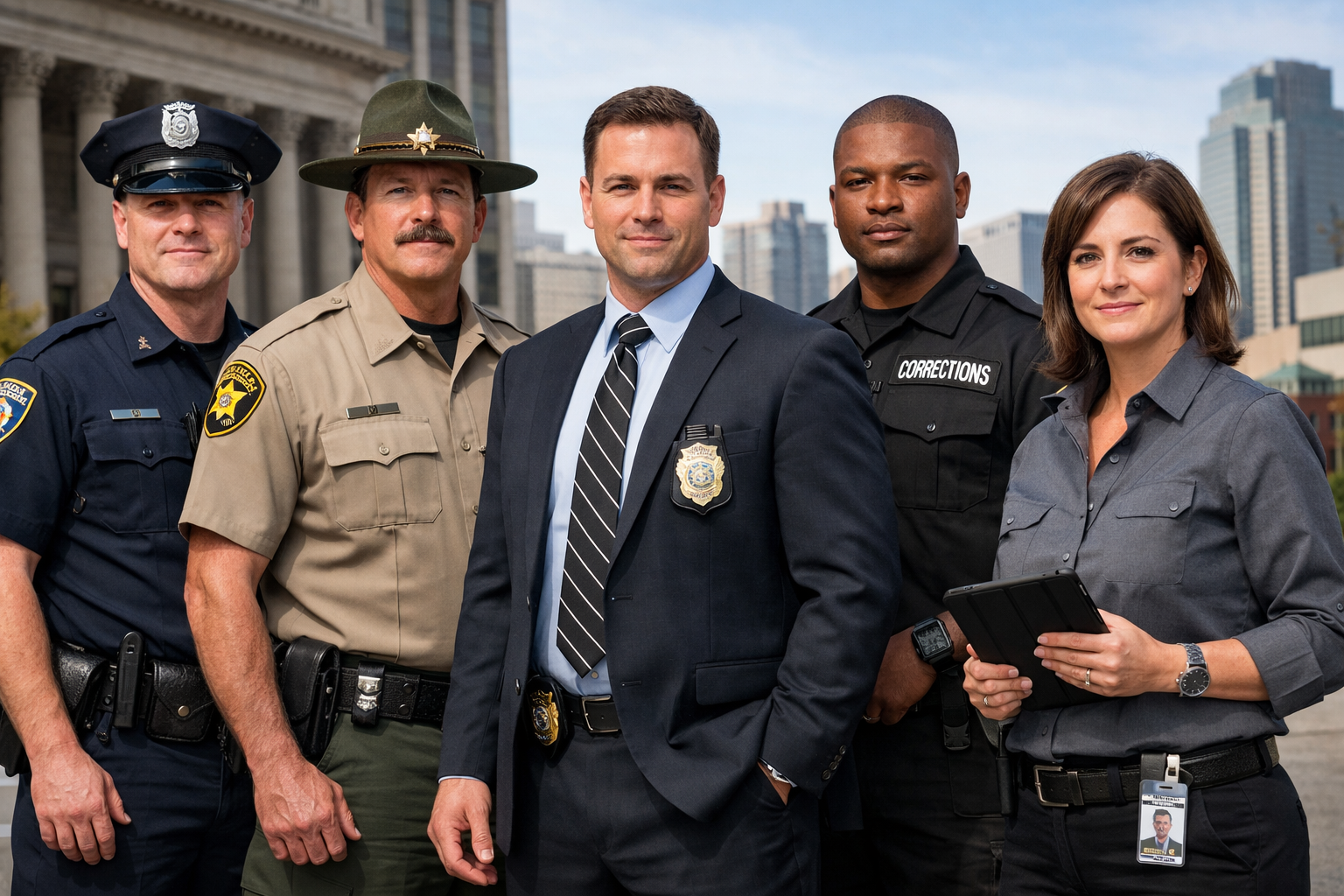
How Many Law Enforcement Professionals Are in the U.S. in 2026?
Ask how many law enforcement professionals are in the United States and you'll get a different answer depending on where you draw the line. The commonly cited sworn officer figure is around 667,000. Add federal agents, corrections officers, probation and parole officers, and the broader law enforcement adjacent workforce — and the number climbs to approximately 1.5 million people. Here's the full picture, category by category, built from the most current available data.
How Often Do Officers Reach Out to Prior Victims? Here's What the Data Says — and Doesn't
If you go looking for research on how often officers reach out to victims from prior cases, you'll find almost nothing. Not because it doesn't happen — because nobody is measuring it. Here's what the adjacent literature actually shows, why the behavior is so difficult to study, what a careful inference suggests about prevalence, and why the absence of data is itself one of the most telling findings in this space.