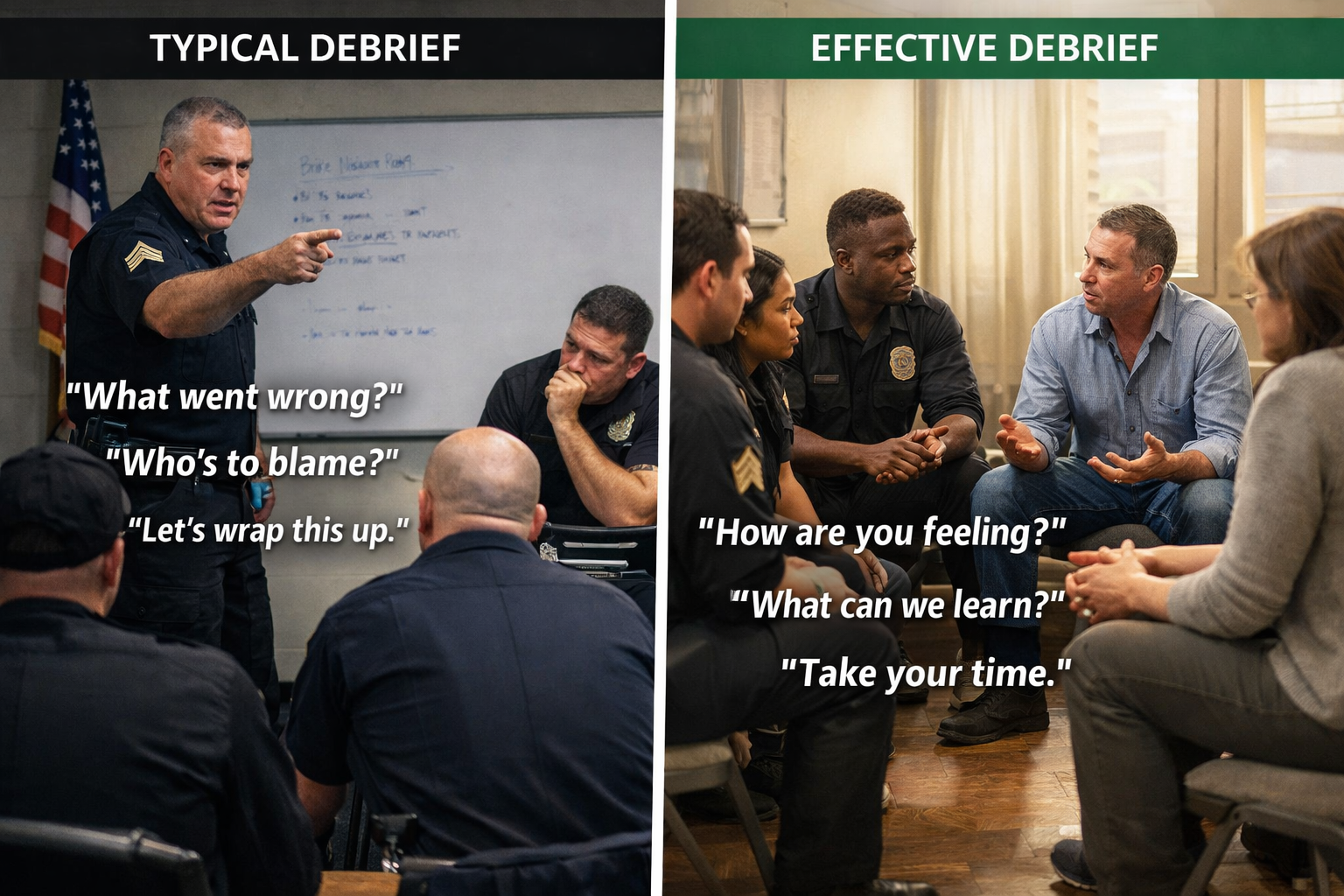
What Good Debriefs Actually Look Like: The Gap Between How Departments Process Critical Incidents and What the Science Recommends
In most departments, what happens in a debrief is shaped more by tradition, liability concern, and the personal style of whoever is running it than by any systematic engagement with what the research says actually helps. The gap between the debrief as it is commonly practiced in law enforcement and the debrief as the science recommends it is not a minor procedural detail. It is the difference between a process that supports recovery and one that, at its worst, actively increases the risk of post-traumatic stress symptoms in the people it is supposed to help.
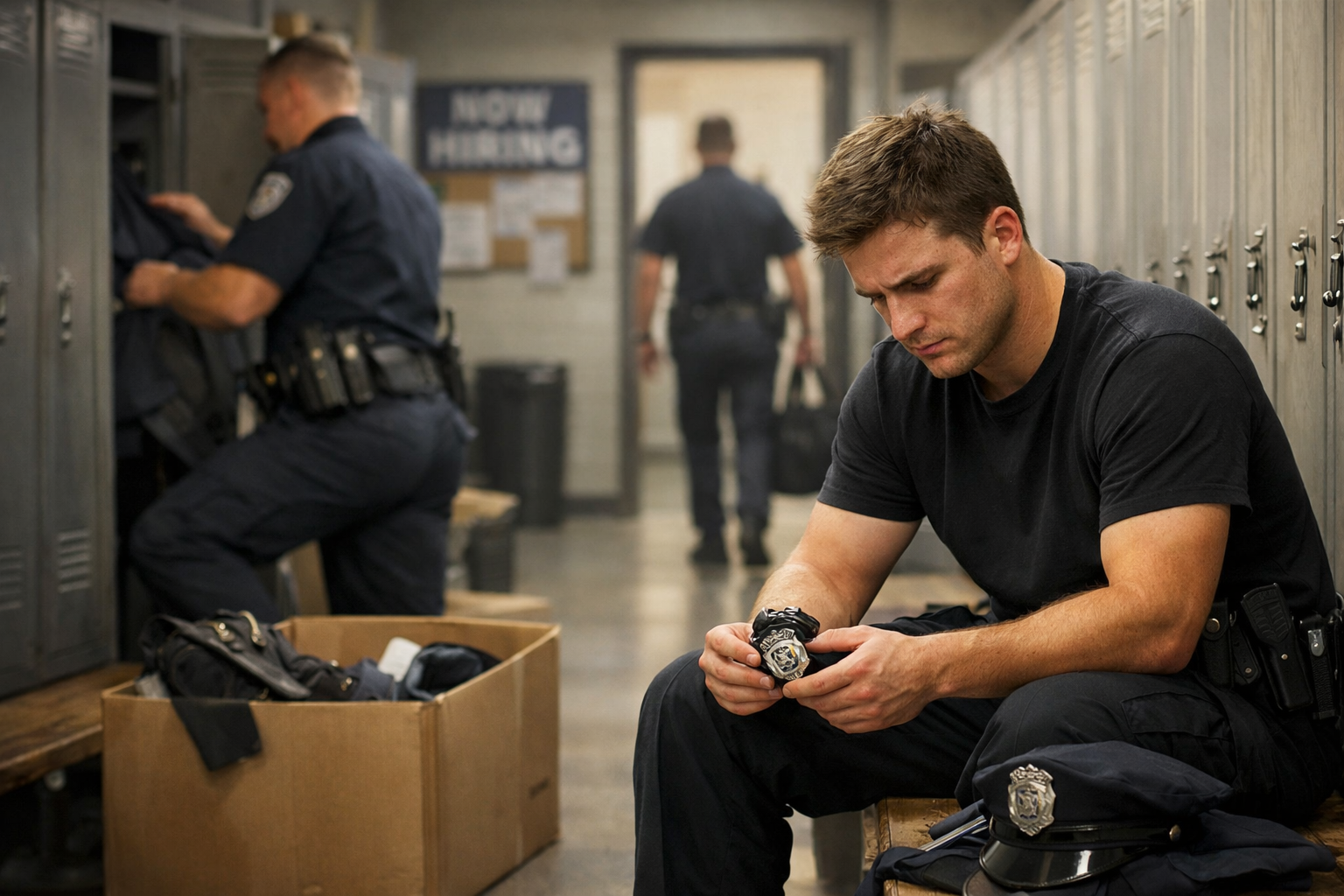
The Rookie Collapse Window: Why Most Officers Who Leave Do So in Years 2–4 — and What Departments Miss
By the time a recruit pins on a badge and steps off probation, the department has invested somewhere between $50,000 and $150,000 in their training. And then, with striking regularity, they leave. Not in year one. Not in year ten. In years two through four — after the investment has been made, after the training wheels have come off, and before the officer has reached the experience level where their institutional value compounds.
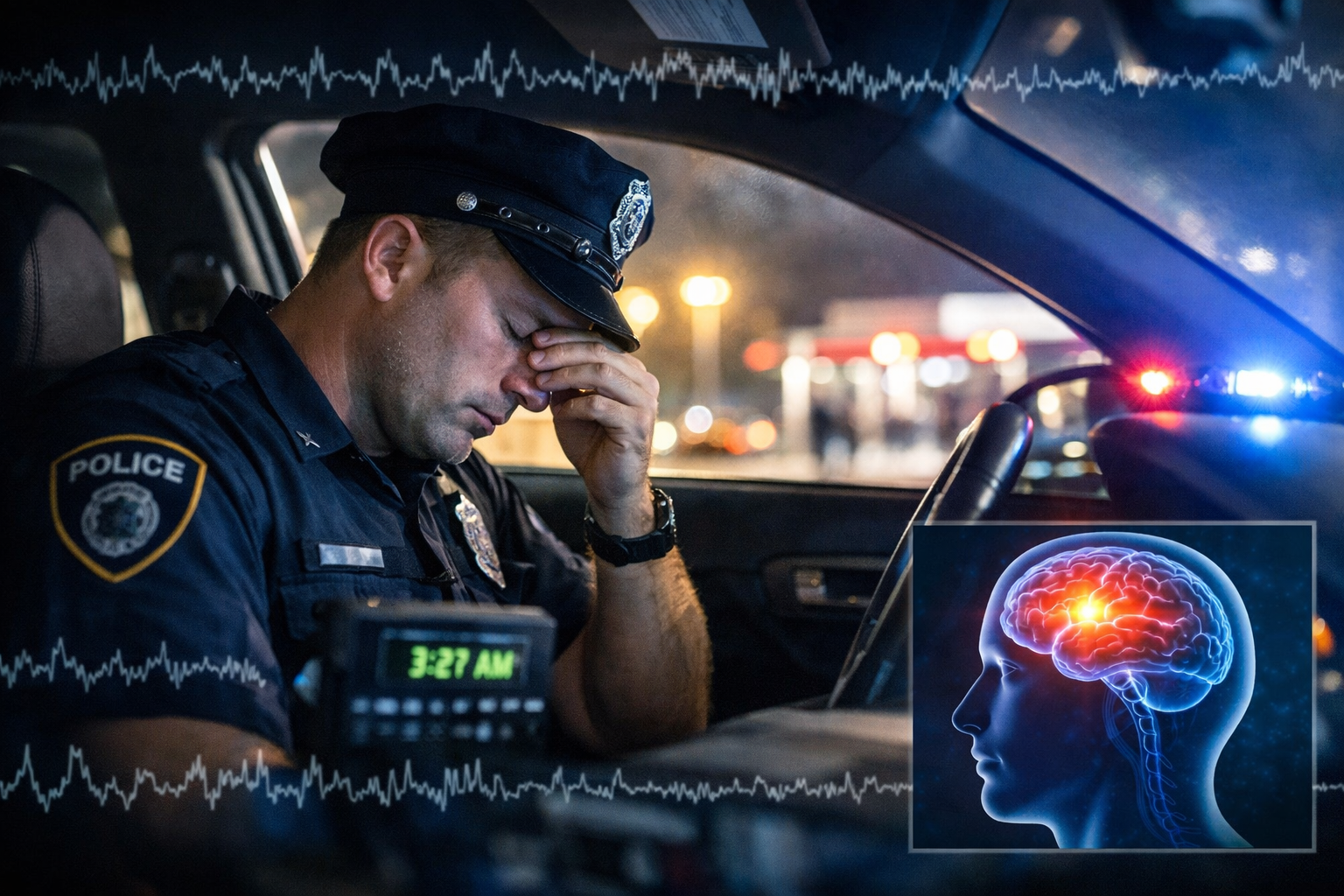
The Night Shift Tax: What Rotating Schedules Actually Do to Officer Health and Cognition
Every department knows shift work is hard. Fewer understand how hard — or why. The science on rotating schedules and law enforcement isn't a collection of vague warnings about sleep hygiene. It's a body of evidence about what happens to human physiology when it gets systematically misaligned from the environment it evolved for.
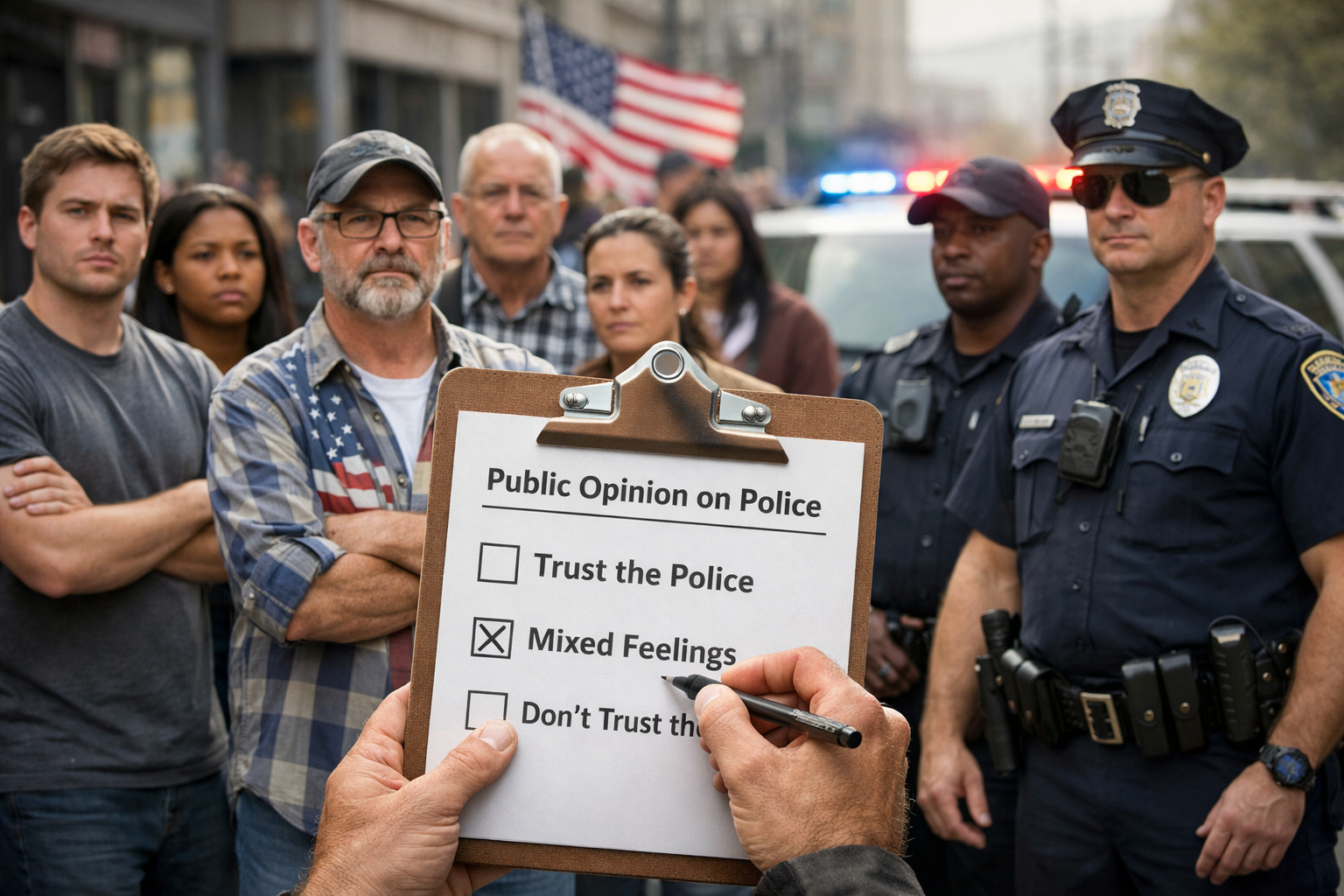
Where the American Public Actually Stands on Law Enforcement in 2026
The story of public support for law enforcement is rarely told accurately. On one side, you hear that trust is collapsing. On the other, that everything is fine. The actual data is more complicated — and more useful — than either narrative.

Your Helmet Stopped the Bullet. That Doesn't Mean Your Brain Is Fine.
There's a claim that circulates in law enforcement gear circles: if the helmet stops the bullet, the officer is safe. The dent doesn't matter. Penetration is the only metric that counts. It's a clean, confident claim. And the science doesn't support it.
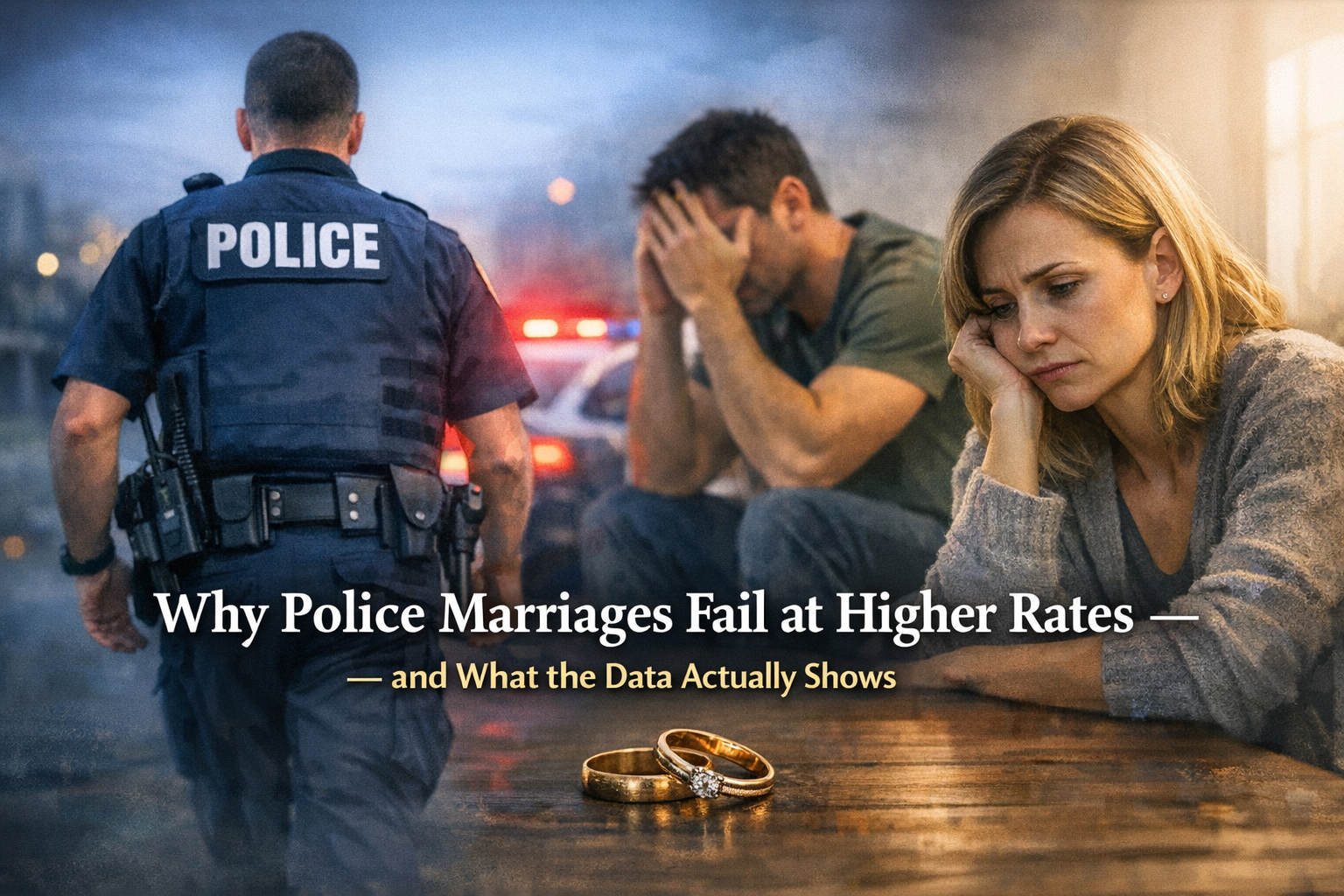
Why Police Marriages Fail at Higher Rates — and What the Data Actually Shows
The statistic gets quoted at academy graduations and in retirement speeches like settled fact — police officers divorce at 70 percent, higher than almost any other profession. The research is considerably less settled. Here's an honest look at what the data actually shows, why the folklore figure persists anyway, and — more importantly — the specific mechanisms that consistently damage law enforcement relationships regardless of what the precise divorce percentage turns out to be.
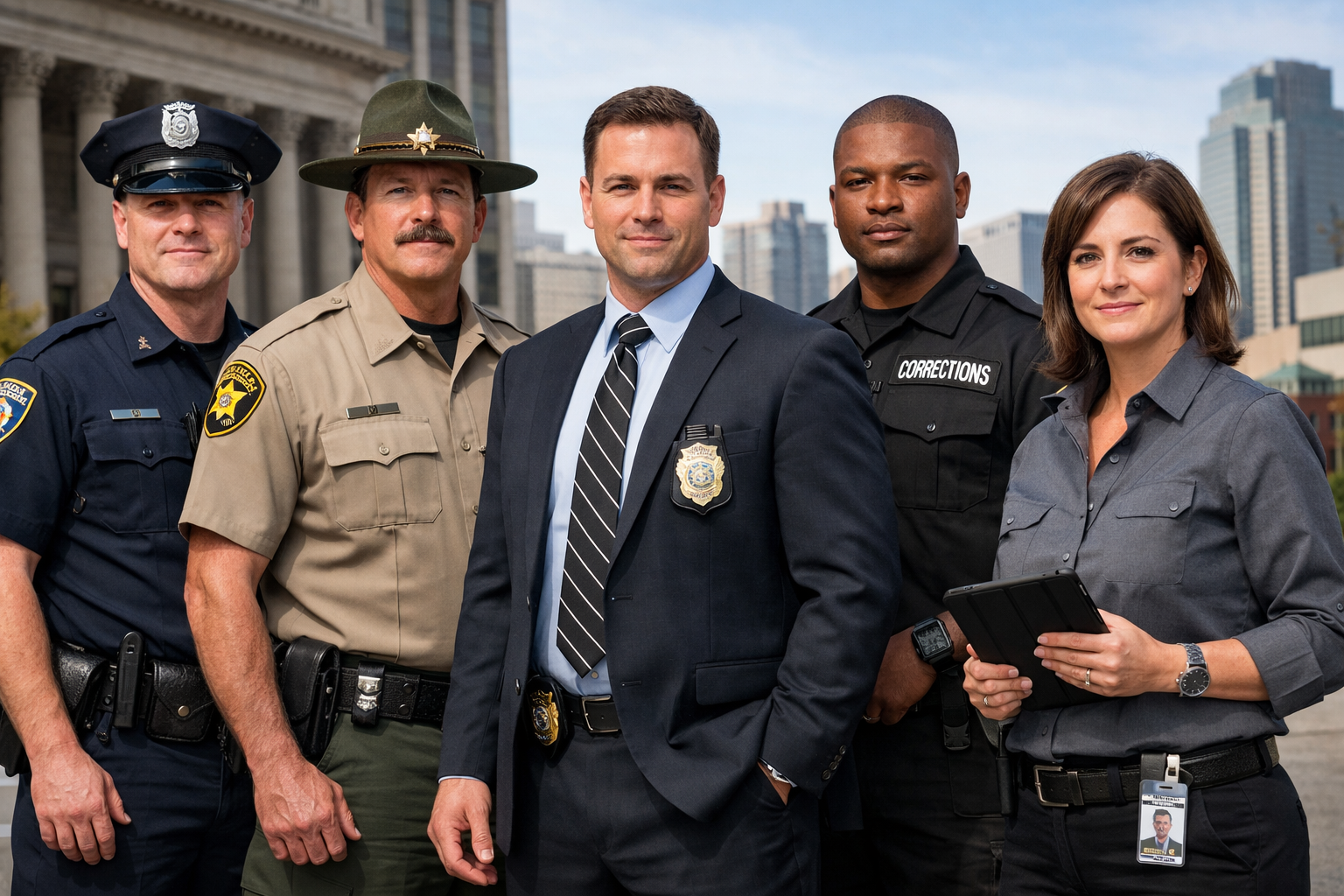
How Many Law Enforcement Professionals Are in the U.S. in 2026?
Ask how many law enforcement professionals are in the United States and you'll get a different answer depending on where you draw the line. The commonly cited sworn officer figure is around 667,000. Add federal agents, corrections officers, probation and parole officers, and the broader law enforcement adjacent workforce — and the number climbs to approximately 1.5 million people. Here's the full picture, category by category, built from the most current available data.
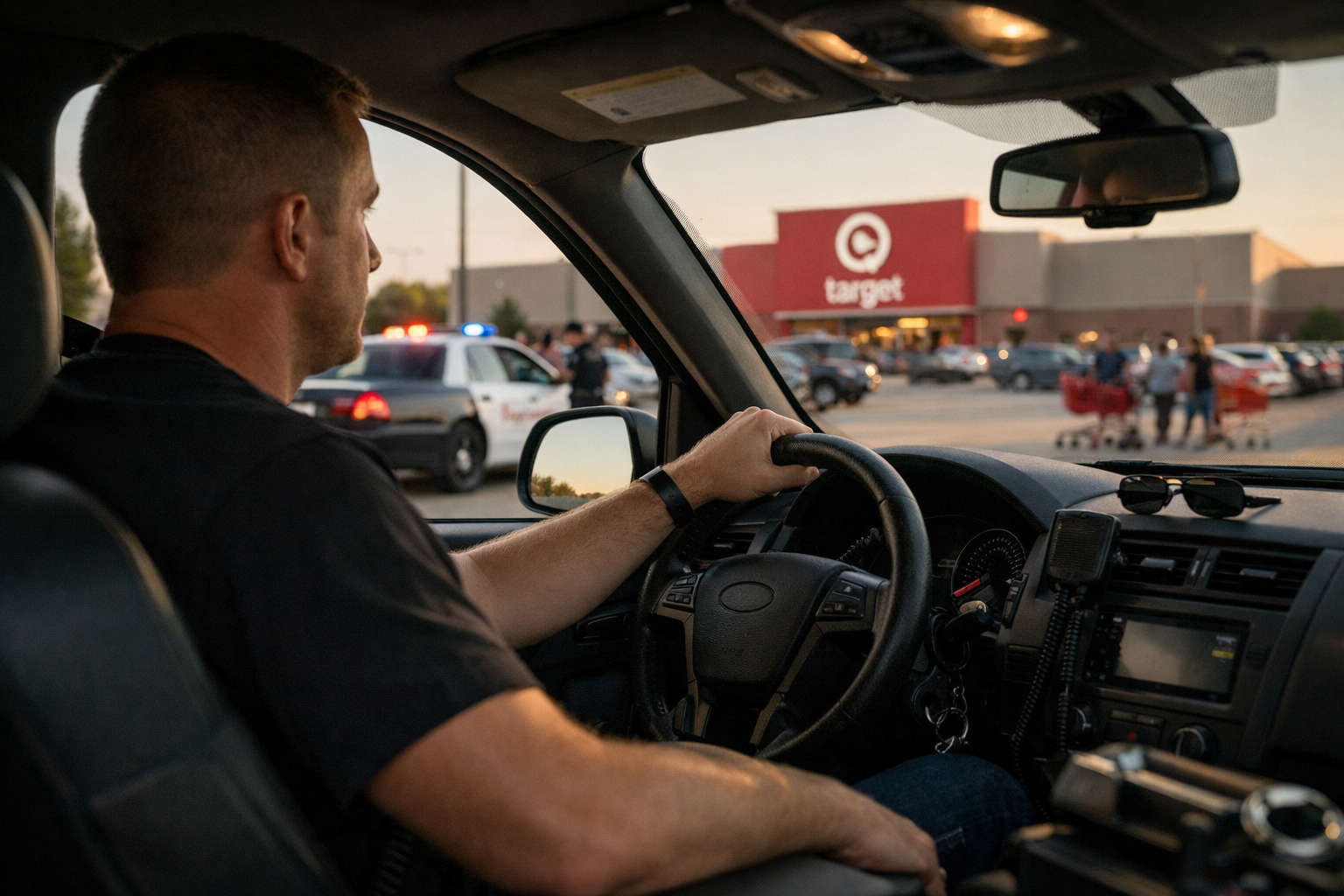
Why You Drive to the Next County to Go to Target: On Never Feeling Off-Duty in Your Own Jurisdiction
It's not really about the store. It's about what happens when you try to exist as a civilian in the same geography where you work — the automatic threat assessments, the recognitions that put you back on the job, the low-level vigilance that doesn't turn off because the environment that requires it hasn't changed. Driving to the next county is a rational adaptation to a real condition. Here's what that condition actually is, and what to do when the adaptation starts costing more than it's worth.
How Often Do Officers Reach Out to Prior Victims? Here's What the Data Says — and Doesn't
If you go looking for research on how often officers reach out to victims from prior cases, you'll find almost nothing. Not because it doesn't happen — because nobody is measuring it. Here's what the adjacent literature actually shows, why the behavior is so difficult to study, what a careful inference suggests about prevalence, and why the absence of data is itself one of the most telling findings in this space.
The Case That Stayed With You: If You Reached Out, You're Not Alone
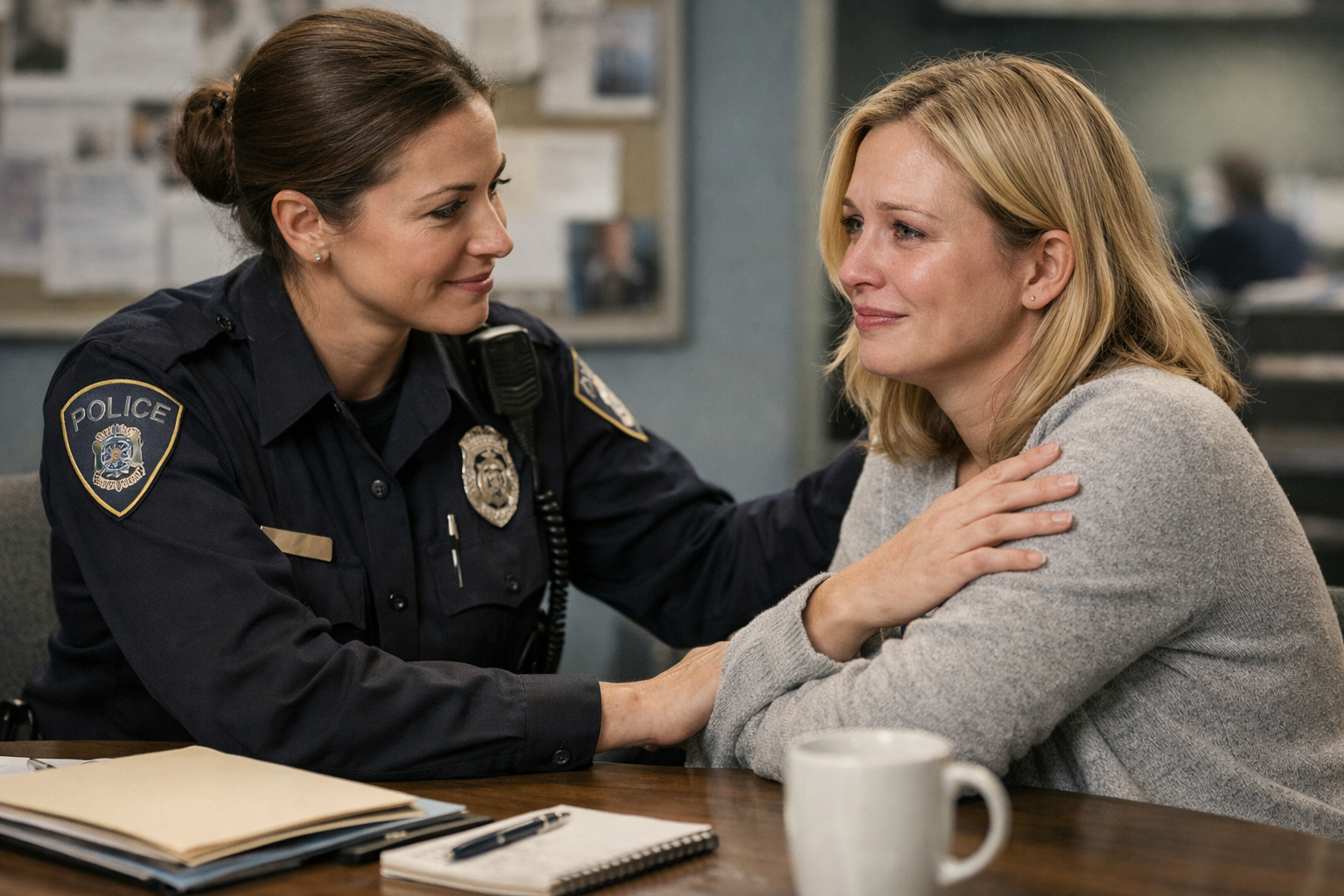
Nobody puts this in a training manual. But some officers reach out to victims from prior cases — a text, a call, a message drafted and deleted and sent anyway. Not from bad intent. From the weight of a case that never resolved, a face that stayed, a need to know if she was okay. If that's you, this isn't a lecture. Here's what to do now, why it happened, and where to put what you're still carrying.
She Said He Looked Possessed: Processing a Call Where You Never Saw What She Described
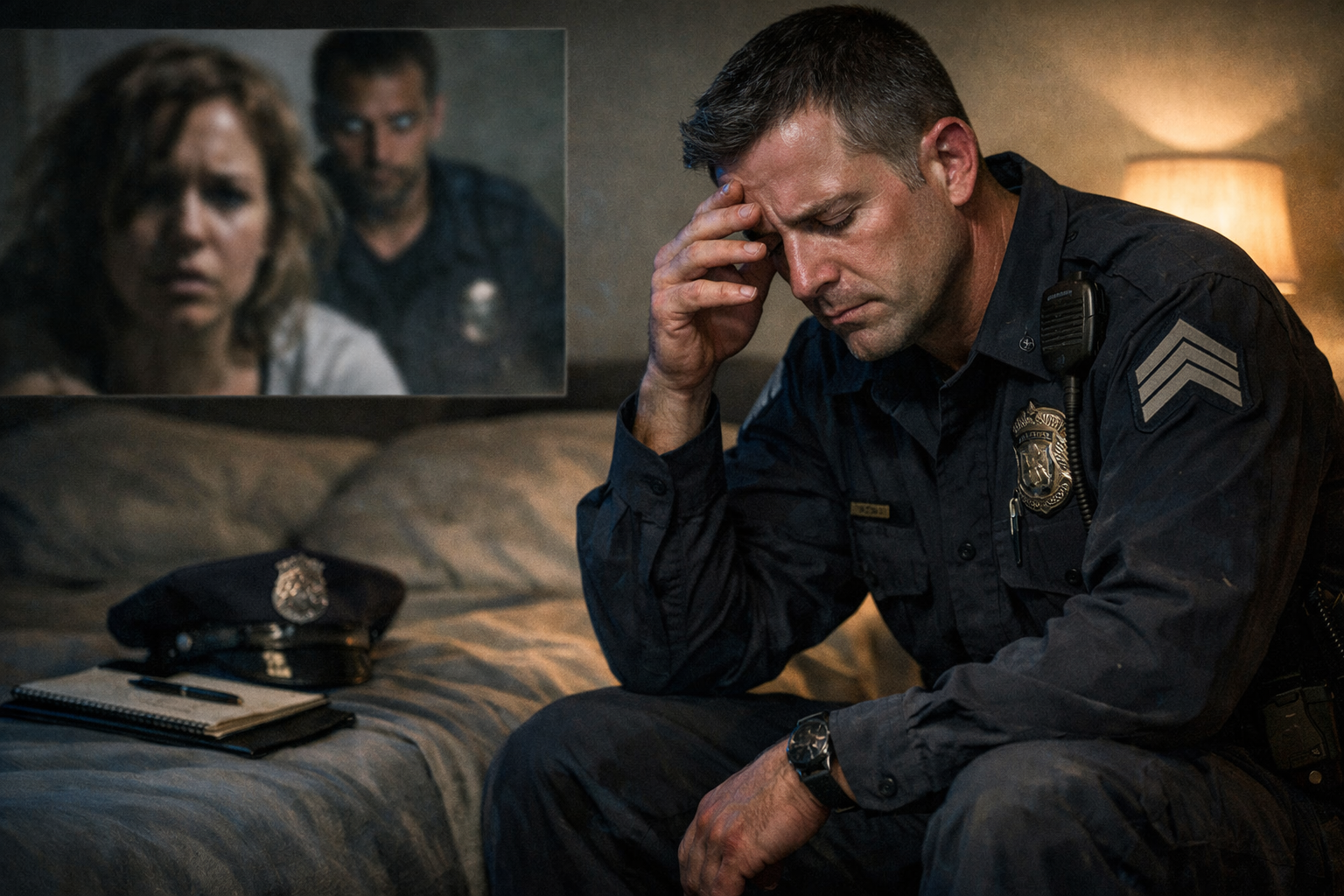
He was cooperative when you got there. Nothing to see. But she was trying to tell you something — about the scanning, the eyes, the way he moved like something that wasn't quite human anymore. And now you're home and it's still running in you. Here's what she was actually describing, why it matters, and what to do with the call you're still carrying.