
Code 3 and the Brain: What the Neuroscience of Emergency Response Driving Actually Tells Us
The moment an officer hits lights and sirens, their brain and body change in ways that feel like readiness but can function like impairment. Elevated arousal, perceptual compression, divided attention, siren hype — the cognitive and physiological profile of a Code 3 response is one of the least-discussed risk factors in officer safety. Here's what the research says, and what it means for training and the road.

The Patrol Vehicle as a Mirror: What 75 Years of Law Enforcement Cars Reveal About Policing Itself
The patrol vehicle has always been a mirror. What departments drove reflected what they valued — raw speed in one era, austerity in another, stability for two decades, and now flexibility and electrification. Seventy-five years of purpose-built law enforcement vehicles is a long enough arc to see the patterns clearly. Here's what they show.
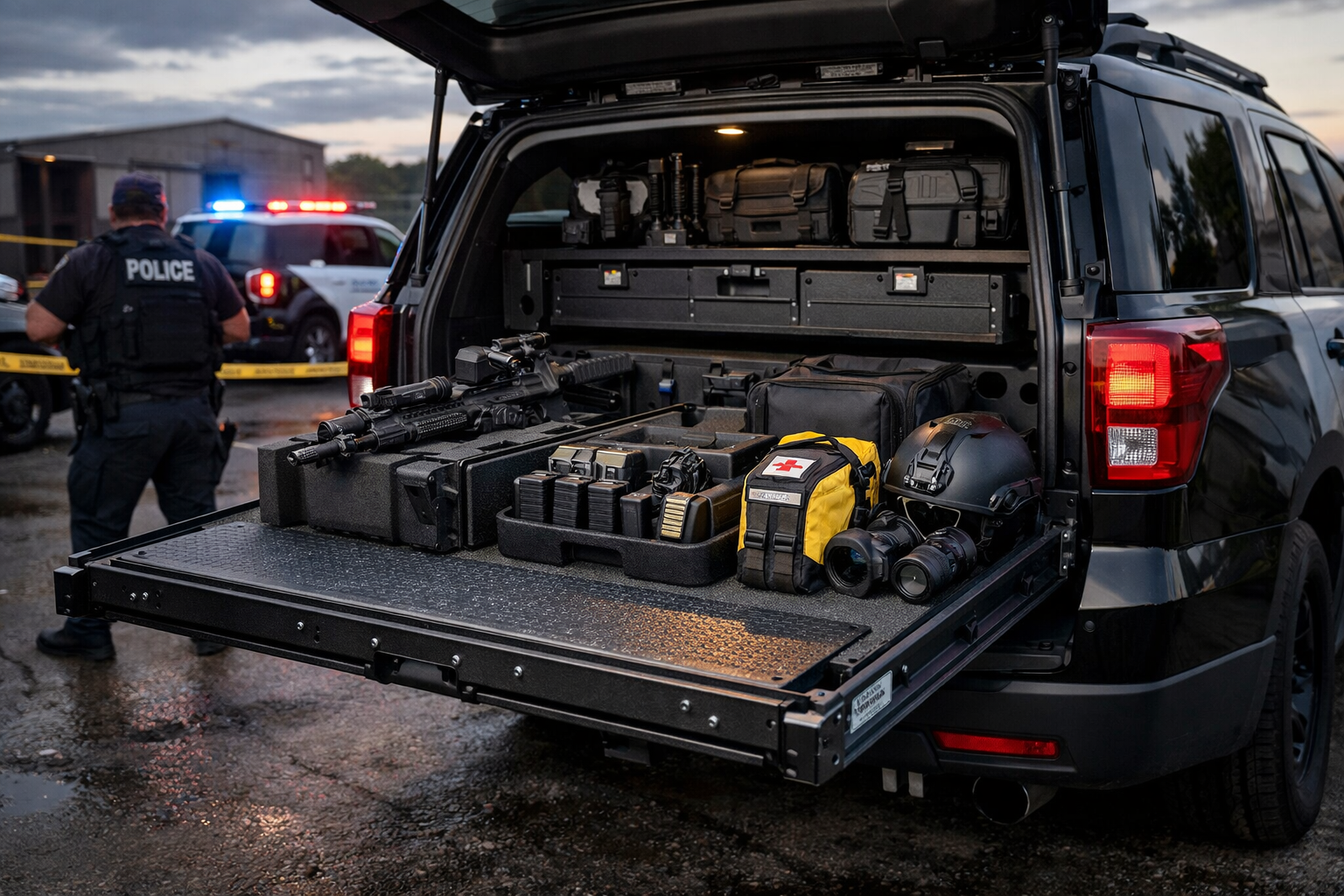
Why Your Fleet's Slide-Out System Is a Tactical Decision, Not a Budget Line Item
Fleet procurement decisions often get treated as logistics problems. But some equipment choices live closer to the tactical side of the ledger than the financial one — and truck bed slide-out systems are a good example of something that gets miscategorized more often than it should. When officers can't access their gear quickly, in the right order, from a safe position, the vehicle is constraining the mission. Here's what fleet managers need to understand before the next procurement decision.
Why Police Marriages Fail at Higher Rates — and What the Data Actually Shows
The statistic gets quoted at academy graduations and in retirement speeches like settled fact — police officers divorce at 70 percent, higher than almost any other profession. The research is considerably less settled. Here's an honest look at what the data actually shows, why the folklore figure persists anyway, and — more importantly — the specific mechanisms that consistently damage law enforcement relationships regardless of what the precise divorce percentage turns out to be.

How Many Law Enforcement Professionals Are in the U.S. in 2026?
Ask how many law enforcement professionals are in the United States and you'll get a different answer depending on where you draw the line. The commonly cited sworn officer figure is around 667,000. Add federal agents, corrections officers, probation and parole officers, and the broader law enforcement adjacent workforce — and the number climbs to approximately 1.5 million people. Here's the full picture, category by category, built from the most current available data.
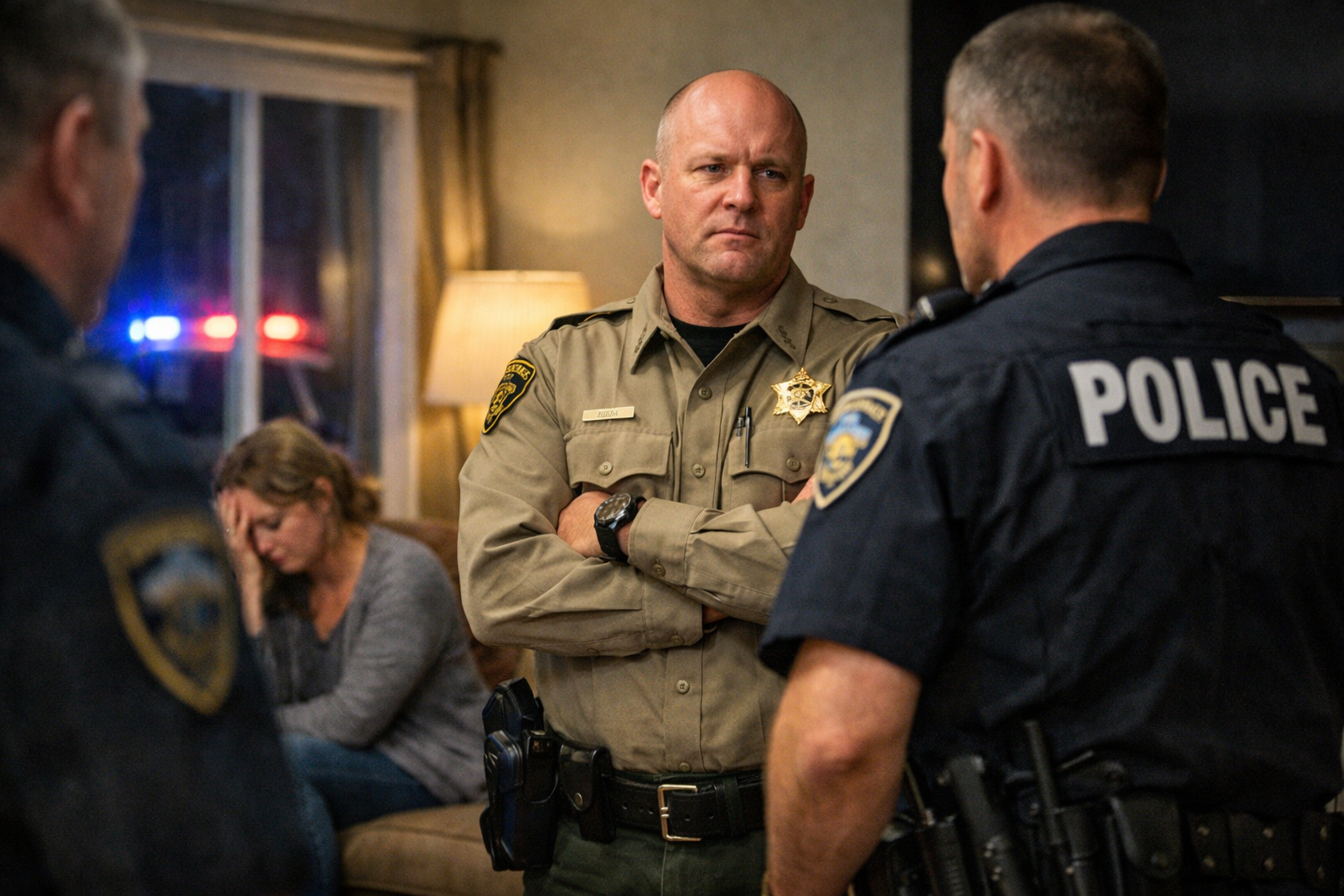
He's on the Job: How to Navigate a DV Call When the Subject Is Law Enforcement or Law Enforcement Adjacent
You find out who he is in the first thirty seconds — a corrections officer, a deputy from the next county, someone who went through the academy with your partner. And before you've consciously decided anything, something shifts in how you're reading the scene. That feeling is human. It is also one of the most dangerous dynamics in domestic violence response. Here's what's producing it, what the research says about law enforcement involved DV, and how to navigate the call anyway.
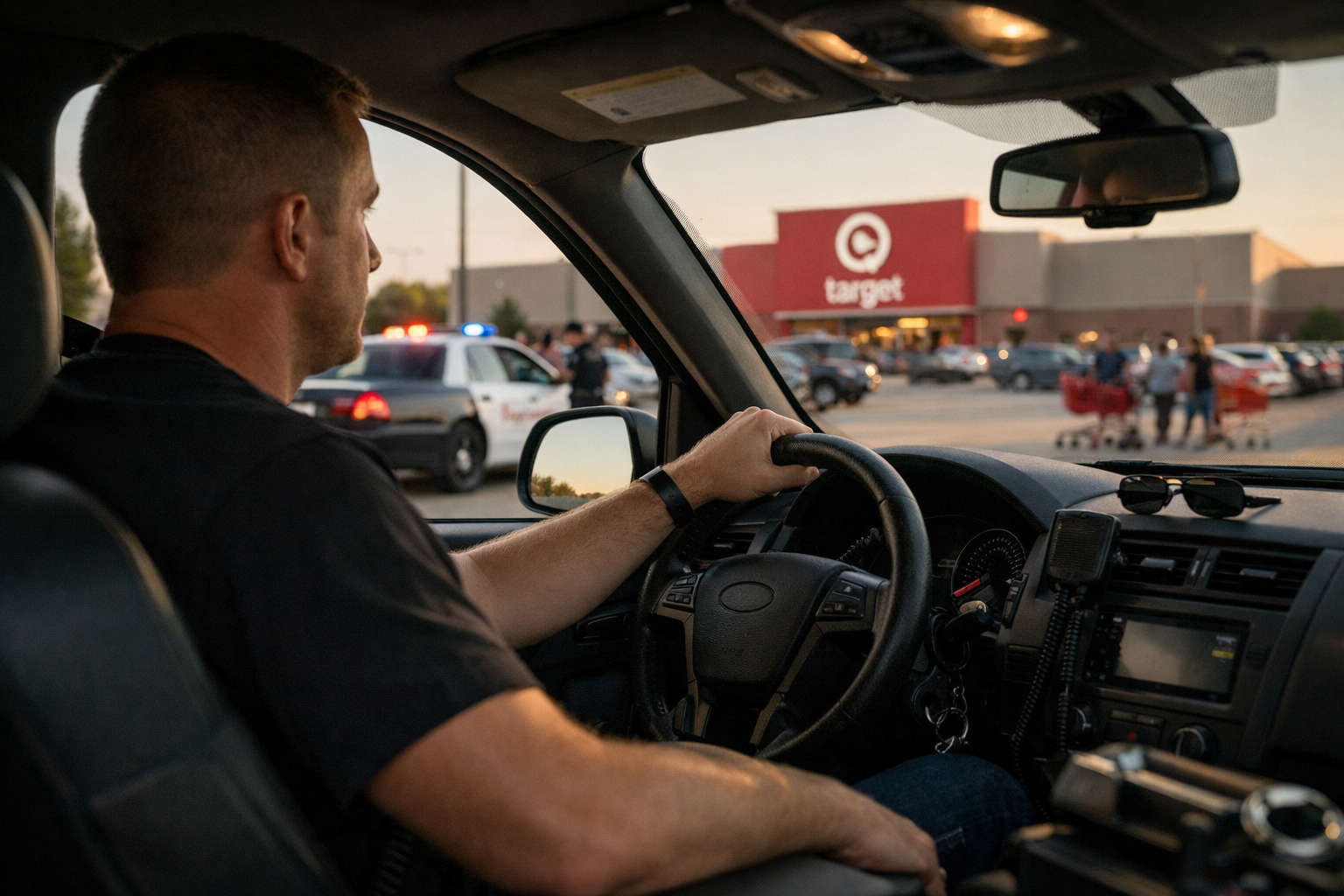
Why You Drive to the Next County to Go to Target: On Never Feeling Off-Duty in Your Own Jurisdiction
It's not really about the store. It's about what happens when you try to exist as a civilian in the same geography where you work — the automatic threat assessments, the recognitions that put you back on the job, the low-level vigilance that doesn't turn off because the environment that requires it hasn't changed. Driving to the next county is a rational adaptation to a real condition. Here's what that condition actually is, and what to do when the adaptation starts costing more than it's worth.
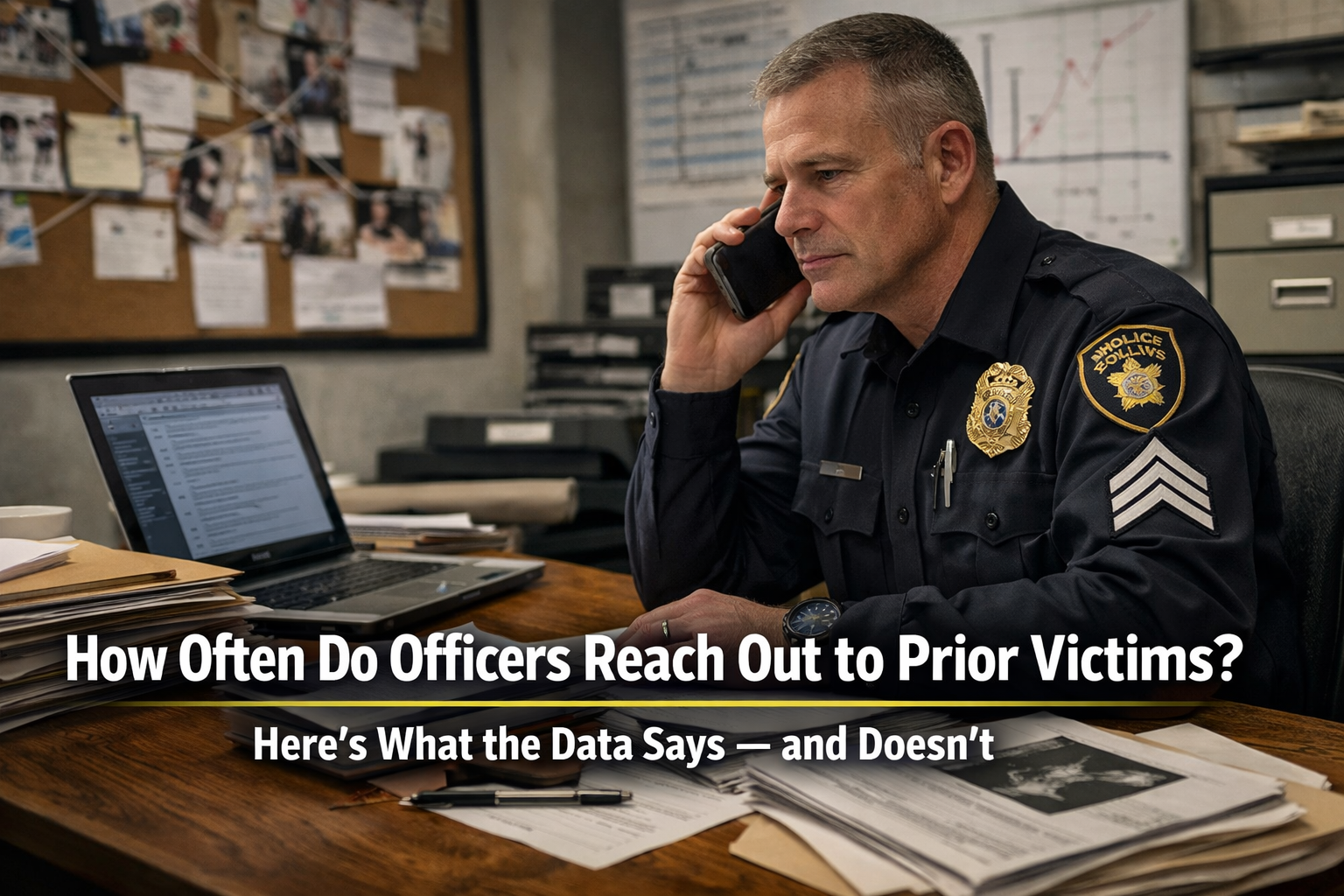
How Often Do Officers Reach Out to Prior Victims? Here's What the Data Says — and Doesn't
If you go looking for research on how often officers reach out to victims from prior cases, you'll find almost nothing. Not because it doesn't happen — because nobody is measuring it. Here's what the adjacent literature actually shows, why the behavior is so difficult to study, what a careful inference suggests about prevalence, and why the absence of data is itself one of the most telling findings in this space.

The Case That Stayed With You: If You Reached Out, You're Not Alone
Nobody puts this in a training manual. But some officers reach out to victims from prior cases — a text, a call, a message drafted and deleted and sent anyway. Not from bad intent. From the weight of a case that never resolved, a face that stayed, a need to know if she was okay. If that's you, this isn't a lecture. Here's what to do now, why it happened, and where to put what you're still carrying.
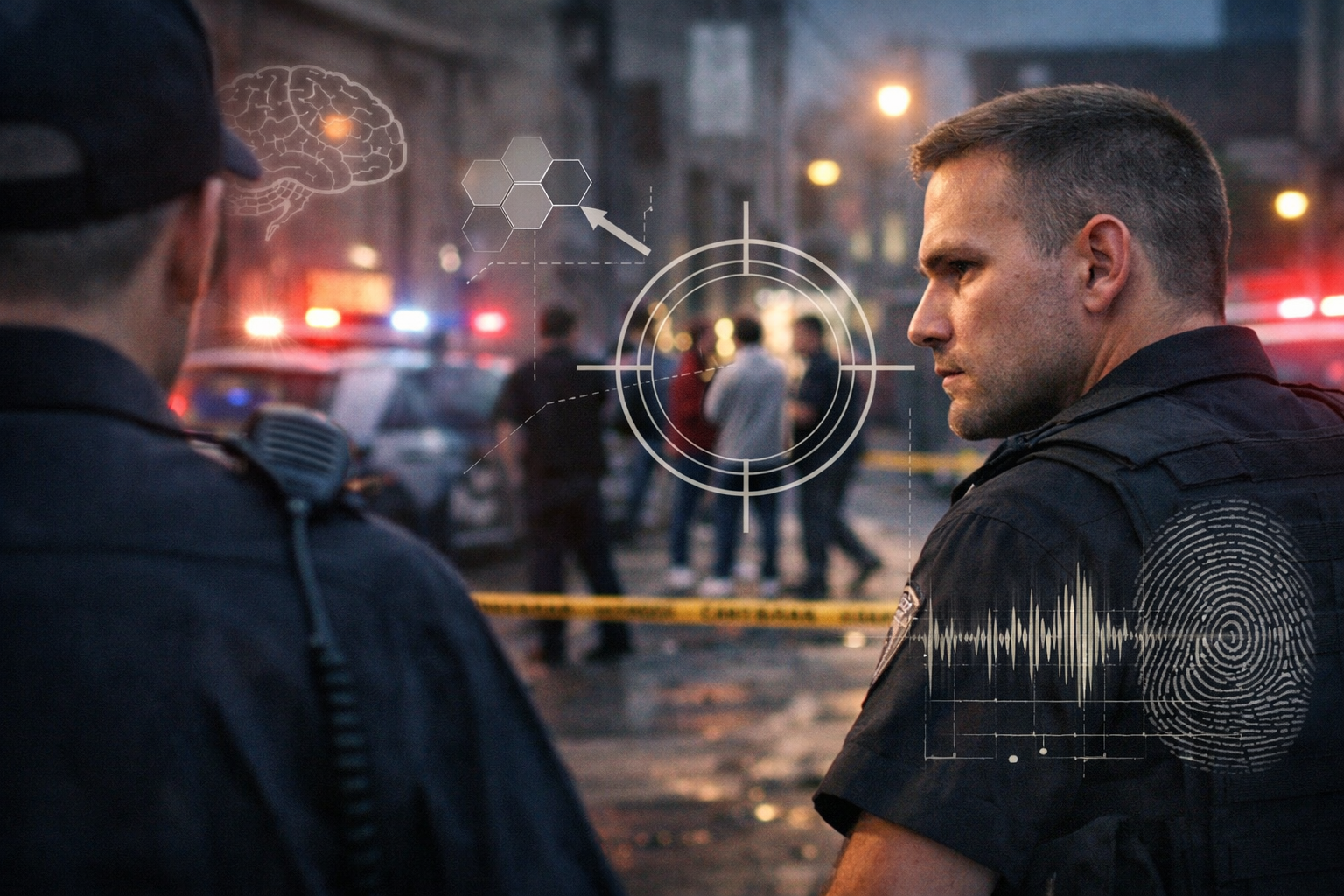
Why "Gut Instinct" Is Actually Pattern Recognition — And How to Train It
You've had the feeling. You roll up on a call and something registers before you've consciously processed anything — not a thought, not a checklist, just a signal that says something is wrong here. That feeling is real, it has a name, and it has a neural architecture behind it that can be trained, calibrated, and audited for bias. Here's what the science actually says about gut instinct — and what to do with that knowledge.

She Said He Looked Possessed: Processing a Call Where You Never Saw What She Described
He was cooperative when you got there. Nothing to see. But she was trying to tell you something — about the scanning, the eyes, the way he moved like something that wasn't quite human anymore. And now you're home and it's still running in you. Here's what she was actually describing, why it matters, and what to do with the call you're still carrying.

Why We Don't Have Words for This: The Language Gap in Domestic Violence and Predatory Behavior
She couldn't describe what she saw — not because she wasn't paying attention, but because nothing in our culture gave her the words for it. The angry husband, the lost temper, the cycle of remorse — we have language for all of that. What we don't have is language for the abuser who gets quiet. Who enters a state. Who doesn't lose control — who decides. That vocabulary gap isn't an accident, and it has consequences that show up on every domestic violence call.

The Shaking That Isn't Fear: Recognizing Pre-Attack Adrenaline Surge in Domestic Violence Situations
She said he was shaking — but not like he was scared. His whole body was trembling while he walked toward her, and his face didn't move. She didn't have the words for what she was seeing. She just knew she had to get out. What she witnessed was the final physiological stage before physical attack — and knowing how to hear her describe it could save her life.

"He Gets This Look": How to Hear What She's Describing and Why It Matters for Threat Assessment
She doesn't have clinical language. What she has is years of living inside a threat environment, reading him the way her safety depended on it. When she tells you he was lying there with his eyes wide open, coming up to scan the room in full-body turns without saying a word — she is describing something real, something dangerous, and something most officers don't have a name for yet. Here's how to hear what she's telling you.

When a Mom Reports Dad Mocking the Baby's Cries: What It Means and What to Do With It
She may not have the words to explain why it scares her. She just knows it does. When a mother tells you that dad mocks the baby when it cries — mimicking it, laughing at it, getting in the infant's face — she's reporting more than a parenting style. She's describing a caregiver who sees a crying infant not as a child in need, but as an adversary. Here's what the research says about that pattern, and what patrol officers can do with it on scene.

The Eyes That Give You a Chill: What Wide, Unblinking Stares Actually Signal
You've seen it on a call — eyes open too wide, not blinking, locked on you in a way that doesn't feel right. Before your brain named it, your gut already flagged it. Here's the behavioral science behind what that stare actually signals, and how to read what's driving it.